If you’ve ever seen someone call something “lame” in a message and felt unsure what they meant, you’re not alone.
The term “lame” shows up everywhere from texting and Instagram comments to gaming chats and dating apps.
Understanding the lame meaning in text is important because tone can change everything. What sounds harmless in one context can feel rude or sarcastic in another.
In modern chat culture, knowing how words like “lame” are used helps you avoid awkward replies and communicate more naturally.
This guide breaks it down in simple, real-world language updated for 2026 so you can actually use it with confidence.
What Does “Lame” Mean in Chat or Text?
In texting and online slang, “lame” means something is boring, uncool, disappointing, or not impressive.
Simple Definition:
- Lame = Not interesting, weak, or disappointing
Different Contexts:
- Casual complaint: “That party was lame” (it wasn’t fun)
- Light teasing: “Bro, that joke was lame” (not funny, but playful)
- Serious criticism: “That excuse is lame” (you don’t believe it)
Origin & Evolution:
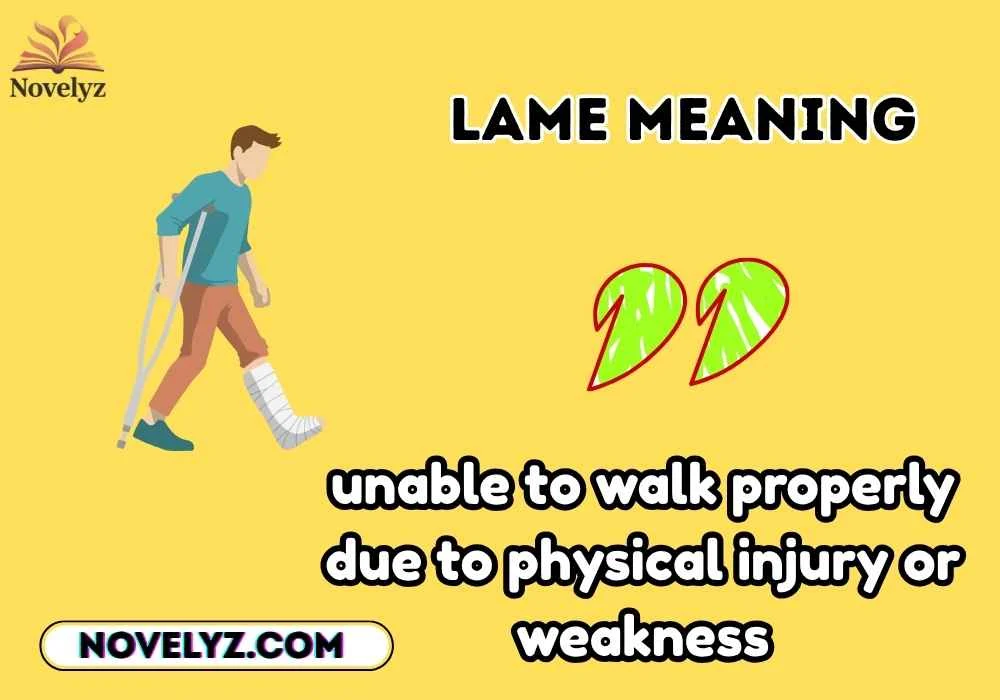
Originally, “lame” referred to physical difficulty walking. Over time, especially in youth culture, it shifted into slang meaning socially “uncool” or underwhelming. Today, it’s widely used online but with more awareness—some people avoid it because of its older meaning.
How People Use “Lame” in Real Conversations
You’ll see “lame” used across almost every platform:
Common Places:
- Texting with friends
- Instagram comments or DMs
- Snapchat streak conversations
- Discord chats and gaming lobbies
- Reddit threads and forums
- Dating apps
When It Feels Natural:
- Talking casually with friends
- Light roasting or joking
- Sharing disappointment
When It Feels Awkward:
- Formal conversations
- Talking to someone you don’t know well
- Sensitive topics
Tone & Intent:
- Joking: “That was lame lol”
- Sarcastic: “Wow, so cool… not. Lame.”
- Genuinely annoyed: “This update is lame”
- Playful/flirty: “You didn’t text back? Lame.”
The tone depends heavily on your relationship with the person. Among friends, it’s usually harmless. With strangers, it can sound rude.
Real-Life Examples of “Lame” in Text Messages
Here are some real-style chat examples:
- “We stayed home all weekend. Kinda lame tbh.”
→ Meaning: It was boring. - “You left the game early? That’s lame.”
→ Meaning: Disappointed or calling it uncool. - “That meme is lame 😂”
→ Meaning: Not funny, but said playfully. - “No reply all day? Lame.”
→ Meaning: Slight annoyance, maybe teasing. - “This event is so lame, I wanna leave.”
→ Meaning: Strong dislike.
Key Insight:
Context changes everything. The same word can be funny, rude, or casual depending on tone.
Common Mistakes & Misunderstandings
1. Taking It Too Seriously
Not every “lame” is an insult. Often, it’s just light teasing.
2. Using It in the Wrong Setting
Avoid using “lame” in:
- Professional chats
- Serious discussions
- With people you don’t know well
3. Cultural & Generational Gaps
- Gen Z: Uses it casually but less than older slang
- Millennials: Use it more frequently
- Some people avoid it due to its original meaning
4. Misreading Tone
Text has no voice, so “lame” can feel harsher than intended.
How to Respond When Someone Sends You “Lame”
If someone calls something “lame,” here are easy ways to reply:
Safe Responses:
- “Haha yeah, kinda was”
- “I know right”
- “What would’ve made it better?”
If You’re Unsure:
- “Wait, you serious or joking?”
If It Feels Rude:
- “Alright, no need to be harsh”
When NOT to Use It Back:
- If you’re not comfortable
- If the conversation is serious
- If you might offend the other person
Is “Lame” Still Used in 2026?
Yes, but with some changes.
Current Trends:
- Still widely understood
- Used casually but slightly less trendy than newer slang
- Sometimes replaced with:
- “mid”
- “weak”
- “cringe”
Where It’s Most Common:
- Gaming chats
- Casual texting
- Older Gen Z and Millennials
Overall:
“Lame” is still relevant in 2026, but it’s more of a classic slang term than a trending one.
Related Slangs & Abbreviations
Here are similar or commonly confused terms:
- Mid – Average or not impressive
- Cringe – Embarrassing or awkward
- Weak – Disappointing or low effort
- Trash – Very bad or low quality
- Boring – Straightforward version of “lame”
These terms often overlap, but each carries a slightly different tone.
FAQs:
What does “lame” mean in text?
It means something is boring, uncool, or disappointing in a casual or slang way.
Is calling someone “lame” rude?
It can be, depending on tone. Among friends, it’s often playful, but with others, it may feel insulting.
Do Gen Z still use “lame”?
Yes, but less than newer slang like “mid” or “cringe.”
What’s the difference between “lame” and “cringe”?
“Lame” means boring or weak, while “cringe” means embarrassing or awkward.
Can I use “lame” in professional messages?
No, it’s too casual and can come across as unprofessional.
Conclusion:
Understanding the lame meaning in text makes online conversations much easier to navigate. At its core, it simply means something isn’t impressive or interesting, but tone and context matter a lot.
Used casually, it can be funny and relatable. Used in the wrong situation, it can feel rude. The key is knowing your audience and reading the vibe of the conversation.
Once you get the hang of it, you’ll spot it instantly and use it naturally when it fits.
What’s your favorite chat abbreviation? Drop it in the comments!

I am a curious writer at Novelyz who loves exploring the true meanings behind words, phrases, and modern expressions. My goal is to explain language in a simple, clear way that feels real, relatable, and easy for everyone to understand.