If you’ve ever seen someone reply with “ugh” in a chat and wondered what it actually means, you’re not alone.
The term ugh meaning in text is one of those simple-looking expressions that carries a lot of emotion, context, and tone depending on how it’s used.
In modern Gen Z and Millennial messaging culture, “ugh” is everywhere from Instagram DMs to Snapchat streaks, Discord chats, gaming rage messages, and even dating app conversations. Understanding it properly helps you avoid misreading emotions and replying awkwardly.
Updated for 2026, this guide breaks down everything you need to know about “ugh” what it means, how it’s used, and how to respond like a pro in real conversations.
What Does “Ugh” Mean in Chat or Text?
At its core, “ugh” is an expression of emotion, not a formal word.
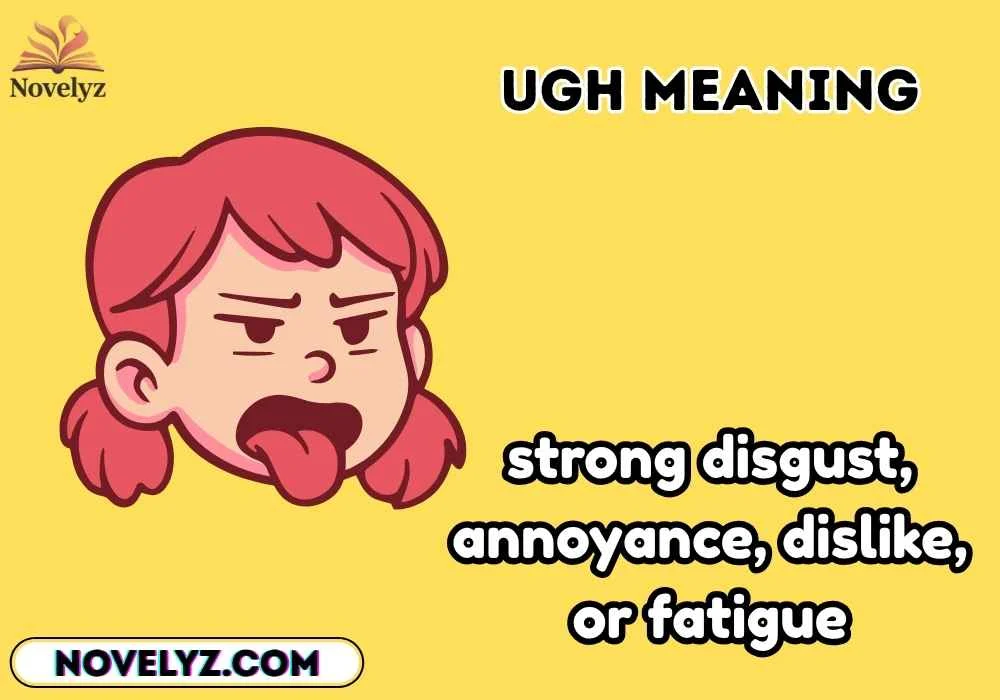
The basic ugh meaning in slang is:
A sound people type to express frustration, annoyance, disappointment, exhaustion, or disgust.
It’s basically the digital version of a sigh or groan.
But here’s the important part: the meaning changes based on context and tone.
Common meanings of “ugh”:
- Frustration: “Ugh, I can’t believe this happened.”
- Disappointment: “Ugh, I missed the deadline.”
- Tiredness: “Ugh, I’m so exhausted.”
- Annoyance: “Ugh, why is this so complicated?”
- Mild disgust: “Ugh, that’s gross.”
Where it comes from
“Ugh” is not new—it originally comes from spoken English as a natural sound humans make when reacting emotionally. Over time, texting culture turned it into a written expression of emotion, especially in early internet chats, forums, and SMS messaging.
Now in 2026, it’s a core part of casual digital communication.
How People Use “Ugh” in Real Conversations
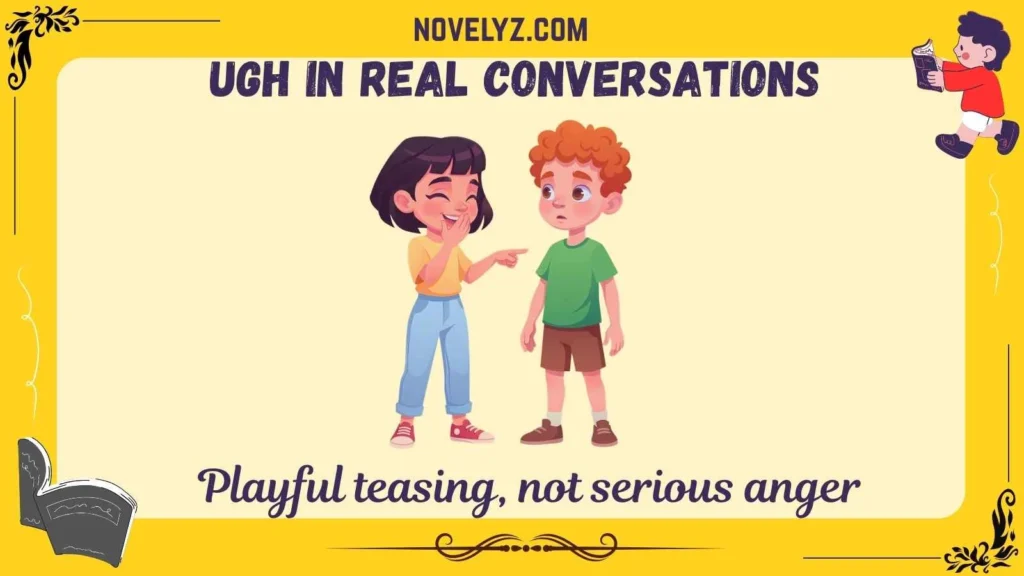
The word “ugh” is widely used across almost every digital platform because it is short, expressive, and emotionally flexible.
Common platforms where you’ll see it:
- Text messages
- Instagram DMs and comments
- Snapchat chats
- Discord servers
- Gaming chats (especially after losing)
- Reddit threads
- Dating apps (when reacting emotionally)
When it feels natural:
- Casual conversations
- Venting or complaining
- Emotional reactions
- Friendly chats with close friends
When it feels awkward:
- Formal messages
- Professional emails
- Conversations with strangers or authority figures
Tone behind “ugh”:
- Casual frustration
- Dramatic exaggeration
- Playful complaining
- Emotional venting
- Sarcastic reactions
In short, “ugh” is not just a word—it’s a mood signal.
Real-Life Examples of “Ugh” in Text Messages
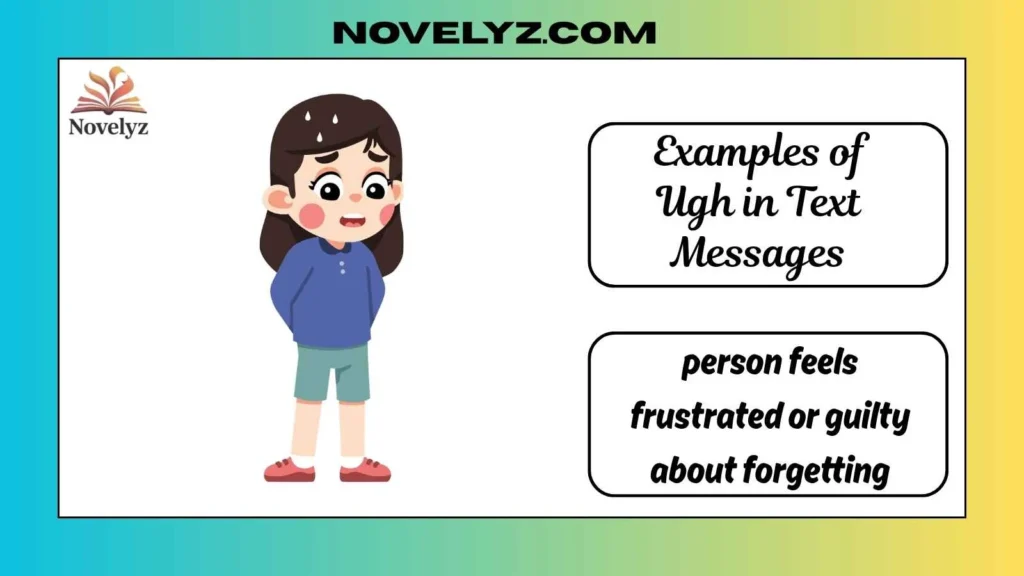
Let’s break down how it actually appears in real chats.
Example 1:
Friend A: “Did you finish the assignment?”
Friend B: “Ugh no, I totally forgot.”
Meaning: The person feels frustrated or guilty about forgetting.
Example 2:
“Ugh, Mondays are the worst.”
Meaning: General dislike and emotional exhaustion about Mondays.
Example 3:
“Ughhh I missed your call again 😩”
Meaning: Regret + mild frustration, sometimes emotional exaggeration.
Example 4 (Gaming chat):
“Ugh that lag made me lose the match.”
Meaning: Blaming external frustration (lag, system, or situation).
Example 5 (Dating app):
“Ugh you replied so late lol”
Meaning: Playful teasing, not serious anger.
In all cases, the meaning depends heavily on tone, context, and relationship between people.
Common Mistakes & Misunderstandings
Even though “ugh” is simple, people often misread it.
1. Thinking it always means anger
Not true. It can also show tiredness, sadness, or playful frustration.
2. Overusing it in formal chats
Saying “ugh” in professional messages can sound unprofessional or rude.
3. Misreading sarcasm
Sometimes “ugh” is used jokingly, especially among friends.
Example:
- “Ugh you’re so lucky 😒”
This might actually mean admiration, not anger.
4. Confusing it with stronger expressions
It is milder than:
- “I’m pissed”
- “I hate this”
- “This is disgusting”
“Ugh” is more emotional than aggressive.
How to Respond When Someone Sends You “Ugh”
Your response depends on tone and context.
Safe responses:
- “What happened?”
- “You okay?”
- “Same honestly.”
- “That sounds rough.”
If it’s casual frustration:
- “Relatable.”
- “I feel that.”
- “Story of my life.”
If it’s about you:
- “Did I do something wrong?”
- “Wait, what happened?”
When to ask for clarification:
If the message is unclear or emotionally charged, it’s okay to ask:
- “What do you mean by that?”
When NOT to overreact:
Don’t assume negativity immediately. In many cases, it’s just emotional expression, not conflict.
Is “Ugh” Still Used in 2026?
Yes—and it’s still very relevant.
In fact, “ugh” remains one of the most stable emotional slang expressions online.
Gen Z usage:
- Frequent in memes
- Often exaggerated (“ughhhhhh”)
- Used humorously or dramatically
Millennial usage:
- More simple and direct
- Used for real frustration or tiredness
Trend in 2026:
- Still widely used in texting
- Slightly replaced in some cases by emojis or memes
- But not fading anytime soon
Platforms like TikTok comments and Discord chats keep it alive because it fits short-form emotional expression perfectly.
Related Slangs & Abbreviations
Here are similar expressions often used with or instead of “ugh”:
1. “Ughhh”
An exaggerated version showing stronger emotion.
2. “Smh”
Means “shaking my head,” used for disappointment or disbelief.
3. “Bruh”
Used for frustration, disbelief, or reaction.
4. “Umm”
Shows hesitation or confusion.
5. “Sigh”
Written form of emotional exhaustion.
6. “Fml”
“Forget my life” or frustration (stronger tone than “ugh”).
These are often part of the same emotional texting ecosystem.
FAQs:
What does “ugh” mean in text messages?
It expresses frustration, disappointment, exhaustion, or annoyance depending on context.
Is “ugh” rude in chat?
Not usually. It depends on tone. With friends, it’s casual. In formal chats, it may seem unprofessional.
Why do people type “ugh” instead of saying it?
Because it quickly expresses emotion in a short, relatable way.
Is “ugh” still popular in 2026?
Yes, it’s still widely used in texting, gaming chats, and social media comments.
Can “ugh” be positive?
Rarely. But sometimes it’s used playfully or dramatically among friends.
Conclusion:
The ugh meaning in text is simple on the surface but deeply expressive in real communication. It reflects frustration, exhaustion, annoyance, or even playful emotion depending on context.
In 2026 digital culture, “ugh” continues to be a universal emotional shortcut used across chats, social media, gaming, and everyday conversations.
Once you understand its tone, you’ll start noticing how often people use it to express feelings without fully typing them out.
Knowing slang like this helps you read conversations more naturally and respond with confidence in modern chat culture.
What’s your favorite chat abbreviation? Drop it in the comments!

I am a curious writer at Novelyz who loves exploring meanings behind words, emotions, and everyday expressions. Through simple and engaging explanations, I help readers understand language in a clear, relatable way.