If you’ve seen someone call a friend, partner, or even a favorite celebrity “pookie” online, you might be wondering what it actually means.
The term has exploded across TikTok, Instagram, Snapchat, Discord, and texting conversations, making it one of the most recognizable internet slang words in recent years.
Understanding pookie meaning can help you avoid confusion in chats and better understand the tone behind messages. While the word sounds cute and playful, its meaning can change slightly depending on who is using it and the relationship between the people involved.
This guide explains everything you need to know about the term, including how it’s used in real conversations, where it came from, and whether people are still using it in 2026.
What Does “Pookie” Mean in Chat or Text?
Pookie is an affectionate nickname used to refer to someone you like, care about, or feel close to.
In most online conversations, calling someone “pookie” is similar to saying:
- Sweetheart
- Babe
- Bestie
- Cutie
- Love
- Favorite person
The exact meaning depends on the relationship and context.
For example:
- Couples may use “pookie” as a romantic pet name.
- Friends may use it jokingly.
- Social media users often use it ironically or humorously.
Pookie Meaning Slang Definition
In internet slang, pookie is a cute, affectionate term used to show fondness, admiration, or emotional closeness toward someone.
Unlike many abbreviations, pookie is not an acronym. It’s simply a nickname that became popular online because it sounds playful and endearing.
Origin of the Word Pookie
The word existed long before social media.
For decades, people used “pookie” as a pet name for loved ones, children, and close friends. However, TikTok, meme culture, and Gen Z humor helped bring it back into mainstream internet language.
Over time, its usage evolved from a private nickname into a widely recognized social media slang term.
Today, people may call:
- Their boyfriend “pookie”
- Their girlfriend “pookie”
- Their best friend “pookie”
- Their favorite celebrity “pookie”
- Even a pet “pookie”
How People Use “Pookie” in Real Conversations
The meaning of pookie often depends on the platform and situation.
Texting
In text messages, pookie usually expresses affection.
Examples:
- “Good morning, pookie.”
- “How was your day, pookie?”
- “Miss you, pookie.”
The tone is warm and friendly.
People often use pookie in:
- Comments
- Captions
- Story replies
Examples:
- “That’s my pookie.”
- “Pookie looks amazing today.”
Snapchat
On Snapchat, the term commonly appears between close friends or romantic partners.
Examples:
- “Night pookie.”
- “Thanks pookie.”
Discord
Discord users frequently use the term ironically.
Examples:
- “Relax, pookie.”
- “Good game, pookie.”
In gaming communities, it can be both genuine and playful.
Dating Apps
On dating apps, pookie often feels flirty.
Examples:
- “Hey pookie, how’s your day going?”
- “You’re cute, pookie.”
However, using it too early may feel overly familiar to some people.
Forums and Gaming Chats
In forums and gaming communities, pookie is often used:
- As a joke
- As friendly teasing
- To create a playful atmosphere
The tone is usually lighthearted rather than deeply romantic.
When It Feels Natural vs Awkward
Natural:
- Between close friends
- Between partners
- Inside friend groups
- In playful conversations
Awkward:
- With strangers
- In professional settings
- During serious discussions
- When the other person dislikes pet names
Real-Life Examples of “Pookie” in Text Messages
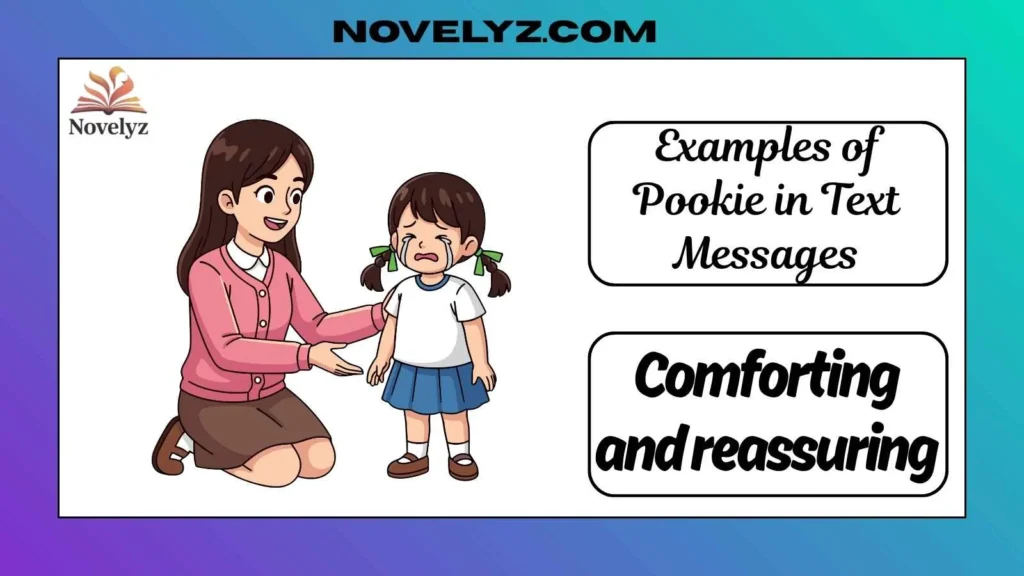
Here are some realistic examples showing how context changes the meaning.
Example 1
Message:
“Good luck on your exam, pookie.”
Meaning:
The sender is expressing support and affection.
Example 2
Message:
“Don’t worry, pookie, we’ll figure it out.”
Meaning:
Comforting and reassuring.
Example 3
Message:
“Look at pookie trying to act tough.”
Meaning:
Playful teasing.
Example 4
Message:
“That’s my pookie right there.”
Meaning:
Showing pride or admiration.
Example 5
Message:
“Pookie finally replied after three days.”
Meaning:
A humorous way of referring to someone.
Common Mistakes & Misunderstandings
Many people misunderstand pookie because they assume it always has a romantic meaning.
Mistake 1: Assuming It’s Always Romantic
Not necessarily.
Friends often call each other pookie without romantic intent.
Mistake 2: Using It With Strangers
The term can feel overly personal when used too early.
Mistake 3: Ignoring Tone
Depending on context, pookie can be:
- Sweet
- Flirty
- Funny
- Sarcastic
- Ironic
Mistake 4: Generational Confusion
Older users may see pookie as a traditional pet name.
Gen Z users often use it jokingly, even when no romance is involved.
Mistake 5: Taking It Too Seriously
Many TikTok and meme users call everyone pookie as part of internet humor.
How to Respond When Someone Sends You “Pookie”
If someone calls you pookie and you’re unsure how to respond, these options usually work.
Friendly Responses
- “Thanks, pookie.”
- “You’re the best.”
- “Aww, thank you.”
Playful Responses
- “Who’s pookie?”
- “Only for today.”
- “That’s me.”
Flirty Responses
- “Missed you too.”
- “Hey pookie.”
- “You’re pretty cute yourself.”
When to Ask for Clarification
Ask if:
- The relationship is unclear.
- You’re unsure whether they’re joking.
- The nickname makes you uncomfortable.
When Not to Use It Back
Avoid repeating it if:
- You’re speaking professionally.
- The person seems uncomfortable.
- You’ve only just met.
Is “Pookie” Still Used in 2026?
Yes, absolutely.
In 2026, pookie remains one of the most popular affectionate slang terms online.
Among Gen Z
Gen Z uses it heavily on:
- TikTok
- Snapchat
- Discord
Many uses are humorous or ironic.
Among Millennials
Millennials often use pookie as a traditional pet name.
Their usage tends to be more genuine and affectionate.
Is It Growing or Fading?
Rather than disappearing, pookie has evolved.
The word now exists in multiple forms:
- Romantic nickname
- Friendship nickname
- Meme slang
- Internet joke
Because of this flexibility, it continues to stay relevant.
Where It’s Most Common Today
The term is especially common in:
- TikTok comments
- Instagram comments
- Snapchat messages
- Discord servers
- Group chats
- Dating apps
Related Slangs & Abbreviations
If you’re learning modern internet slang, you’ll often see these terms alongside pookie.
Bestie
A close friend or favorite friend.
Babe
A romantic pet name.
Bae
Short for a significant other or someone special.
Boo
An affectionate nickname for a loved one.
BBG
Short for “Baby Girl.”
My Love
A caring term used for someone important.
Cutie
A playful way to compliment someone.
Babygirl
Popular on TikTok and social media as a term of affection.
Sweetie
A classic affectionate nickname.
Honey
A long-standing term of endearment.
FAQs:
What does pookie mean in text messages?
Pookie is an affectionate nickname used for someone you care about, like, or feel close to.
Is pookie a romantic term?
Sometimes. It can be romantic, but many friends also use it casually or jokingly.
What does pookie mean on TikTok?
On TikTok, pookie is often used humorously, affectionately, or as part of meme culture.
Can a girl call a guy pookie?
Yes. The term is gender-neutral and can be used for anyone.
Is pookie still popular in 2026?
Yes. It remains widely used across social media, texting apps, and online communities.
Conclusion:
The simplest way to understand pookie meaning is that it’s a cute and affectionate nickname used for someone special. Depending on the situation, it can be romantic, friendly, playful, or even humorous.
Most of the time, if someone calls you pookie, they’re expressing warmth, affection, or familiarity rather than anything negative.
As internet language continues to evolve, pookie remains one of the most recognizable and widely used slang terms across TikTok, Instagram, Snapchat, Discord, and texting culture.
Now that you know what it means, you’ll be able to understand it confidently whenever it appears in chats, comments, or social media posts.
What’s your favorite chat abbreviation? Drop it in the comments!

I am a curious writer at Novelyz who loves exploring the true meanings behind words, phrases, and modern expressions. My goal is to explain language in a simple, clear way that feels real, relatable, and easy for everyone to understand.