If you’ve seen people online talking about “smut books,” “booktok smut,” or saying a novel is “too much smut,” you’re probably wondering what the term actually means.
The phrase “smut meaning in books” has become one of the most searched reading-related slang terms thanks to TikTok, romance communities, fanfiction culture, and viral BookTok recommendations. Updated for 2026, this guide explains the term in plain English so you can understand exactly how readers use it today.
In modern reading culture, especially online, “smut” usually refers to sexually explicit scenes in books or stories.
But depending on the platform, genre, and audience, the tone can range from playful and casual to critical or serious. Understanding how people use the word helps avoid awkward misunderstandings in reading communities, chats, and social media discussions.
What Does “Smut” Mean in Books?
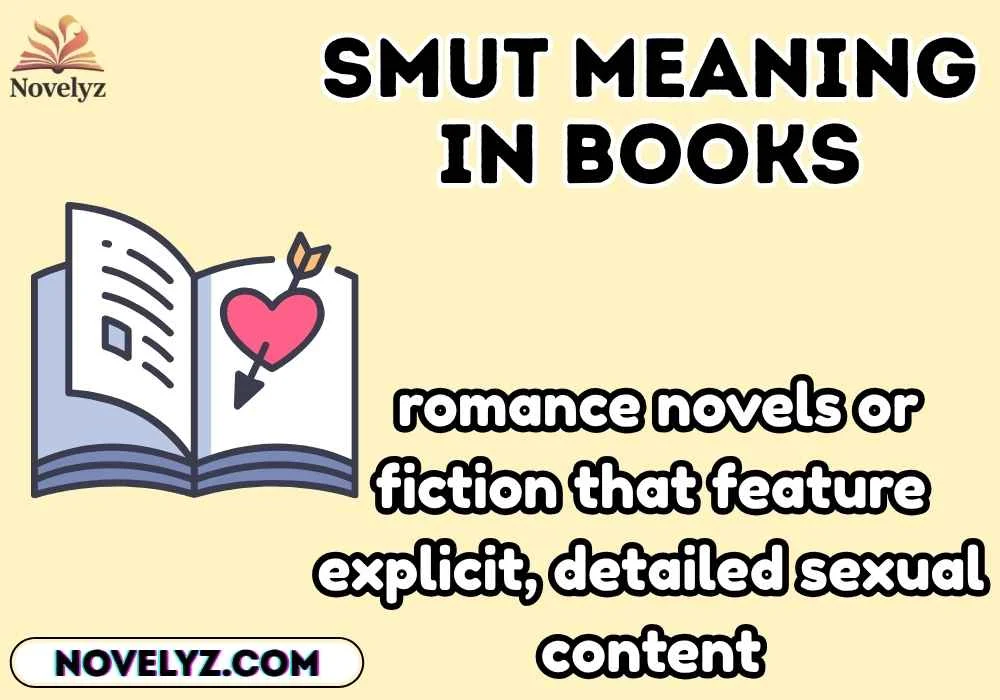
In book culture, smut means written content that contains explicit sexual scenes or strong sexual tension. Most of the time, readers use the word when talking about:
- Romance novels
- Dark romance
- Fanfiction
- Fantasy romance
- Wattpad stories
- BookTok recommendations
- Adult fiction
When someone says:
“This book is pure smut.”
They usually mean the story contains a lot of graphic intimacy or spicy scenes.
The term itself is older than internet slang. Historically, “smut” was sometimes used as a negative word for obscene or inappropriate material. But online reading communities changed the tone over time. Today, especially among Gen Z and Millennial readers, it’s often used casually or even positively.
For example:
- “I’m here for the plot and the smut.”
- “Slow burn with good smut.”
- “This fantasy series has zero smut.”
In modern usage, the word does not always mean pornography. Many readers simply use it to describe books with explicit romance content.
How People Use “Smut” in Real Conversations
The word appears everywhere in online reading culture, especially where readers discuss romance and fanfiction openly.
Common Platforms
TikTok and BookTok
TikTok helped mainstream the word “smut” in reading discussions. Readers often rank books based on:
- Spice level
- Romance tension
- Explicit scenes
- Character chemistry
Examples:
- “BookTok made me buy another smutty fantasy.”
- “This author writes elite smut.”
Bookstagram users use the term in reviews, memes, and aesthetic posts.
Examples:
- “Cute cover. Unhinged smut.”
- “Romance readers know exactly why this book is trending.”
Discord and Reddit
Reading servers and fan communities use “smut” casually when discussing fanfiction or romance genres.
Examples:
- “Any good enemies-to-lovers smut recs?”
- “This fic starts fluffy then turns into smut.”
Dating Apps and Texting
Sometimes people mention reading smut as a personality trait or joke.
Examples:
- “She reads dark romance smut.”
- “He looked innocent until he mentioned his Kindle history.”
Tone and Intent
The meaning changes based on tone:
| Tone | Meaning |
|---|---|
| Casual | Explicit romance content |
| Funny | Playful joke about spicy books |
| Critical | Too many intimate scenes |
| Positive | Well-written chemistry |
| Sarcastic | “There’s no plot, just smut” |
In real conversations, readers rarely use the term in a formal way. It usually feels relaxed and internet-native.
Real-Life Examples of “Smut” in Text Messages
Here are realistic examples showing how people actually use the word online.
Example 1
Text:
“Don’t read this in public unless you want to blush.”
Meaning:
The book contains explicit scenes.
Example 2
Text:
“I stayed up till 3 AM reading dragon smut.”
Meaning:
Fantasy romance with heavy spicy content.
Example 3
Text:
“This book has plot AND smut.”
Meaning:
The reader thinks the story balances romance and storytelling well.
Example 4
Text:
“I thought it was YA but suddenly the smut hit.”
Meaning:
The reader was surprised by explicit scenes.
Example 5
Text:
“TikTok lied. It’s not romance, it’s straight smut.”
Meaning:
The book focuses more on explicit content than emotional story development.
Common Mistakes & Misunderstandings
A lot of beginners misunderstand how the word is used online.
Thinking “Smut” Always Means Porn
Not necessarily.
Many romance readers use “smut” casually to mean:
- Spicy scenes
- Open-door romance
- Explicit intimacy
A book can have smut while still having:
- Strong storytelling
- Emotional depth
- Fantasy or mystery plots
- Character development
Confusing “Spicy” and “Smut”
These words overlap, but they are not always identical.
- Spicy usually means flirtatious or sexually charged
- Smut often implies more explicit scenes
Using It in Formal Settings
Saying “I read smut” casually online is normal. Saying it in professional or academic conversations may sound awkward depending on the audience.
Assuming Everyone Uses It Positively
Some readers use the word negatively to criticize books they think rely too much on explicit content.
Example:
- “There was no plot, just smut.”
Context matters a lot.
How to Respond When Someone Sends You “Smut”
If someone mentions smut in a chat or recommendation, you don’t need to panic or pretend you understand.
Easy Beginner Responses
- “Is it more romance or mostly spicy?”
- “How explicit is it?”
- “Does it actually have a good plot?”
- “What genre is it?”
- “I’ve seen BookTok talk about that a lot.”
When to Ask for Clarification
Ask questions if:
- You’re unsure whether it’s adult content
- You expected a clean romance
- You don’t know the reading slang
Most readers explain it casually without judgment.
When Not to Use It Back
Avoid using the word:
- Around younger audiences
- In professional book discussions
- If you’re unsure of the tone
Online reading culture is casual, but context still matters.
Is “Smut” Still Used in 2026?
Yes, absolutely.
In fact, the term is more mainstream now than ever because of:
- BookTok
- Romance boom trends
- Kindle Unlimited communities
- Fanfiction culture
- Viral fantasy romance series
Gen Z vs Millennial Usage
Gen Z
Uses the term more casually and humorously.
Examples:
- “I came for the dragons and stayed for the smut.”
- “Emotionally attached to fictional smut couples.”
Millennials
Often use it similarly but sometimes prefer words like:
- “Spicy romance”
- “Steamy”
- “Explicit romance”
Where It’s Most Common Now
The term is especially popular in:
- TikTok comments
- Romance reader communities
- Fanfiction spaces
- Goodreads reviews
- Reddit book forums
It doesn’t seem to be fading in 2026. If anything, it has become normalized in online reading discussions.
Related Slangs & Abbreviations
Here are similar terms readers often confuse with “smut.”
| Term | Meaning |
|---|---|
| Spicy | Suggestive or explicit romance |
| Steam/Steamy | Sexual tension or intimate scenes |
| Slow Burn | Romance develops gradually |
| Enemies to Lovers | Characters start hostile then fall in love |
| Fanfic | Fan-created fiction |
| Dark Romance | Romance with darker themes |
| NSFW | Not safe for work |
| BookTok | TikTok book community |
| Fluff | Soft, comforting romance scenes |
These terms often appear together in reviews and recommendation posts.
FAQs
What does smut mean in books?
Smut in books usually means explicit sexual content or graphic romantic scenes, especially in romance novels or fanfiction.
Is smut the same as romance?
No. Romance focuses on relationships and emotional connection, while smut specifically refers to explicit intimate scenes.
Why do people call books smut on TikTok?
BookTok popularized the term as casual reading slang for spicy or explicit romance books.
Can a book have smut and still have a good story?
Yes. Many popular fantasy, romance, and contemporary novels combine strong plots with explicit romance scenes.
Is smut a negative word?
Not always. Some people use it jokingly or positively, while others use it critically depending on the context.
Conclusion:
Now you know the real smut meaning in books and why the term appears everywhere from TikTok to romance forums. In today’s online reading culture, “smut” usually refers to explicit romantic content, but the tone depends heavily on context, platform, and audience.
The good news is that you don’t need to feel confused when readers mention it anymore. Whether you’re exploring BookTok, reading fanfiction, or trying to understand modern romance slang, recognizing how the word is actually used makes online conversations much easier to follow.
Modern internet language changes fast, but “smut” has become a lasting part of digital reading culture in 2026.
What’s your favorite chat abbreviation or internet slang term? Drop it in the comments!

I am a curious writer at Novelyz who loves exploring the true meanings behind words, phrases, and modern expressions. My goal is to explain language in a simple, clear way that feels real, relatable, and easy for everyone to understand.