Have you ever heard someone describe a person as having “fortitude” and wondered what that actually means? You’re not alone. Many people search for fortitude meaning because it’s a word that appears in books, motivational quotes, speeches, and everyday conversations, but isn’t always explained clearly.
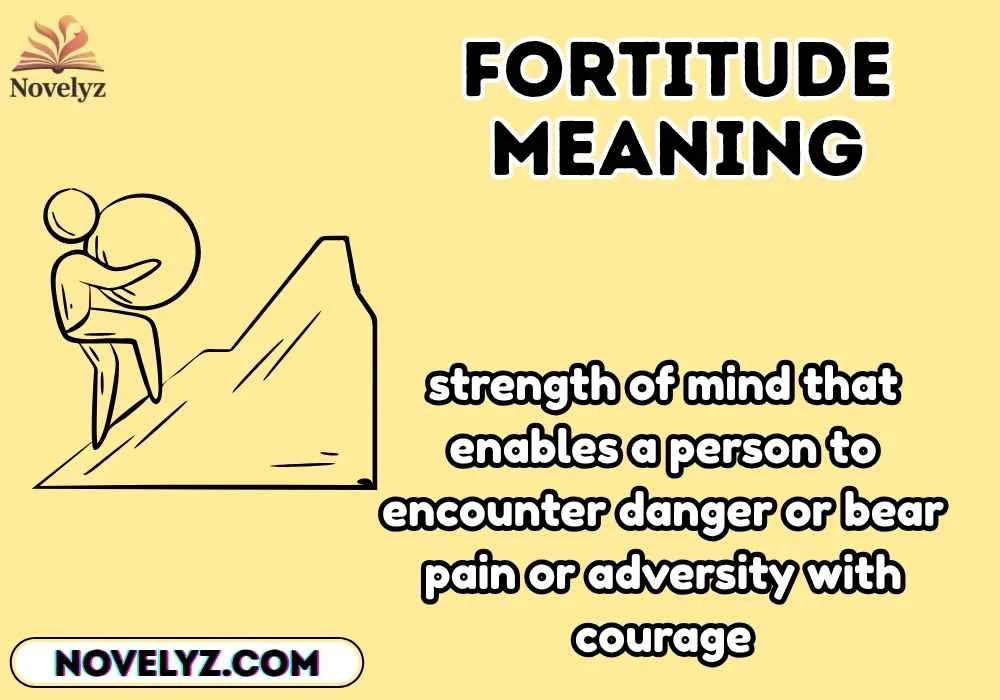
In simple terms, fortitude means the strength to face difficulties, pain, fear, or challenges without giving up. It’s one of those qualities people admire because it reflects courage, resilience, and mental toughness.
Understanding the meaning of fortitude matters because it’s a word often used to describe people who keep going during hard times.
Whether you’re reading literature, improving your vocabulary, or trying to understand inspirational content online, knowing what fortitude means can help you better understand the message behind it.
Updated for 2026, this guide explains the word in plain English, shows real-life examples, and clears up common misunderstandings.
What Does “Fortitude” Mean?
Fortitude means courage, strength, and endurance during difficult situations.
A person with fortitude remains strong when facing problems, setbacks, fear, pain, or uncertainty. Instead of giving up, they continue moving forward despite the challenges.
Simple Definition
Fortitude = Mental and emotional strength during tough times.
For example:
- Continuing to work toward a goal after repeated failures
- Staying calm during a crisis
- Recovering from a personal loss while maintaining hope
- Facing fears instead of avoiding them
Origin of the Word
The word “fortitude” comes from the Latin word fortitudo, which means strength or bravery.
Historically, fortitude was considered one of the four cardinal virtues in philosophy and ethics. Over time, the meaning evolved into the modern idea of inner strength and resilience.
Today, people use the word to describe anyone who demonstrates determination and courage during difficult circumstances.
How People Use “Fortitude” in Real Conversations

Unlike internet slang or text abbreviations, fortitude is a traditional English vocabulary word. However, it’s still widely used in modern conversations, social media posts, motivational content, and professional settings.
You’ll commonly see it used on:
- Instagram motivational captions
- LinkedIn posts
- Self-improvement blogs
- Personal development videos
- Inspirational speeches
- Books and literature
- Educational content
When It Feels Natural
Fortitude sounds natural when discussing:
- Personal growth
- Challenges and adversity
- Success stories
- Mental strength
- Leadership qualities
- Recovery and resilience
Examples:
- “She showed incredible fortitude during her recovery.”
- “It takes fortitude to keep trying after so many setbacks.”
- “His fortitude inspired everyone around him.”
When It Can Sound Awkward
Because fortitude is a formal word, using it in casual texting can sometimes sound unusual.
For example:
Awkward:
- “Bro, nice fortitude lol.”
More natural:
- “Bro, you’re strong for getting through that.”
The word works best in thoughtful, serious, or professional conversations.
Real-Life Examples of Fortitude in Sentences

Here are some common examples that show how people use fortitude.
Example 1
Message:
“I admire her fortitude after everything she’s been through.”
Meaning:
The speaker respects her ability to stay strong despite difficulties.
Example 2
Sentence:
“It took a lot of fortitude to start over from scratch.”
Meaning:
Starting again was difficult, but the person had enough courage and determination to do it.
Example 3
Social Media Caption:
“Success isn’t about talent alone. It’s about fortitude when things get hard.”
Meaning:
Persistence and resilience matter just as much as natural ability.
Example 4
Workplace Context:
“The team showed remarkable fortitude during the company’s challenges.”
Meaning:
The team remained strong and committed despite difficult circumstances.
Example 5
Personal Growth Discussion:
“Fortitude helped him overcome years of self-doubt.”
Meaning:
Mental strength allowed him to move past his insecurities.
Common Mistakes and Misunderstandings
Many people misunderstand the word fortitude. Here are some common mistakes.
Mistake #1: Thinking It Means Physical Strength
Fortitude usually refers to:
- Mental strength
- Emotional strength
- Moral courage
It does not primarily mean physical power.
Mistake #2: Confusing It With Confidence
Confidence means believing in yourself.
Fortitude means staying strong during hardship.
A person can have fortitude even when they feel uncertain or afraid.
Mistake #3: Assuming It Means Fearlessness
People with fortitude still experience fear.
The difference is that they continue moving forward despite being afraid.
Mistake #4: Using It in Very Casual Situations
Because it’s a more formal word, fortitude may sound out of place in everyday joking conversations.
How to Respond When Someone Uses the Word “Fortitude”
If someone mentions fortitude, here are some natural responses.
If They’re Complimenting Someone
Response:
- “I agree. They handled that situation really well.”
- “It definitely took a lot of strength.”
If They’re Talking About Themselves
Response:
- “You should be proud of how far you’ve come.”
- “That couldn’t have been easy.”
If You Don’t Understand The Word
You can simply ask:
- “Do you mean courage or resilience?”
- Can you explain what you mean by fortitude?
Most people will gladly clarify.
Is “Fortitude” Still Used in 2026?
Yes, absolutely.
The word remains relevant in 2026 because discussions about resilience, mental health, self-improvement, and personal growth continue to be popular.
Where It’s Most Common Today
- Motivational content
- Leadership training
- Educational writing
- Self-development communities
- Books and podcasts
- Professional communication
Gen Z vs Millennial Usage
Millennials tend to encounter fortitude through:
- Professional development
- Leadership content
- Self-help resources
Gen Z often sees it through:
- Motivational TikTok clips
- Personal growth content
- Mental wellness discussions
- Inspirational social media posts
While younger users may not use the word daily, they frequently encounter it online.
Related Words and Similar Terms
If you’re researching fortitude meaning, you may also come across these related words.
Resilience
The ability to recover from difficulties and setbacks.
Courage
Acting despite fear.
Perseverance
Continuing toward a goal even when progress is difficult.
Determination
A strong commitment to achieving something.
Grit
Long-term persistence and passion for a goal.
Endurance
The ability to withstand hardship over time.
Although these words are related, fortitude focuses specifically on inner strength during adversity.
FAQs:
What is the simple meaning of fortitude?
Fortitude means having the mental and emotional strength to face difficulties, pain, or challenges without giving up.
Is fortitude the same as courage?
Not exactly. Courage is acting despite fear, while fortitude is enduring hardships with strength and resilience over time.
How do you use fortitude in a sentence?
Example: “She showed great fortitude while overcoming personal challenges.”
Is fortitude a positive trait?
Yes. Fortitude is generally considered a highly positive quality because it reflects resilience, courage, and determination.
Why do people search for fortitude meaning?
Many people encounter the word in books, quotes, speeches, or motivational content and want a simple explanation of what it means in everyday language.
Conclusion:
Understanding fortitude meaning is actually quite simple once you see it in real-life situations. At its core, fortitude is the ability to stay strong when life becomes difficult.
It’s the courage to keep moving forward, the resilience to endure challenges, and the determination not to quit when things get tough.
Whether you see the word in a motivational quote, a book, a speech, or a conversation, you can now recognize that fortitude is all about inner strength during adversity.
The next time someone talks about fortitude, you’ll know exactly what they mean and why it’s such an admired quality.
What’s your favorite word related to strength, resilience, or courage? Drop it in the comments!

I am a curious writer at Novelyz who loves exploring meanings behind words, emotions, and everyday expressions. Through simple and engaging explanations, I help readers understand language in a clear, relatable way.