If you’ve seen someone say “cheers” in a text, Instagram DM, gaming chat, or online comment, you might wonder what they actually mean. Is it just about drinking? Is it formal? Friendly? British slang?
The truth is, “cheers” has several meanings in modern online conversations, and the tone changes depending on where and how it’s used. In texting culture, it can mean “thanks,” “goodbye,” “I appreciate it,” or simply a casual sign-off.
As online communication becomes more informal in 2026, understanding phrases like “cheers” in chat helps avoid awkward misunderstandings especially for non-native English speakers and younger internet users who see it across TikTok, Discord, Reddit, and messaging apps every day.
What Does “Cheers” Mean in Chat or Text?
In modern texting and internet slang, “cheers” usually means “thanks” or “thank you.”
People often use it as a casual, friendly way to show appreciation without sounding too formal.
Simple Definition
Cheers = Thanks / Thank you / Appreciate it
Example:
- “Cheers for the help.”
- “Sent you the file. Cheers.”
- “Cheers mate.”
Depending on the conversation, it can also mean:
- Goodbye
- Good luck
- Friendly acknowledgment
- A casual sign-off
Where the Phrase Came From
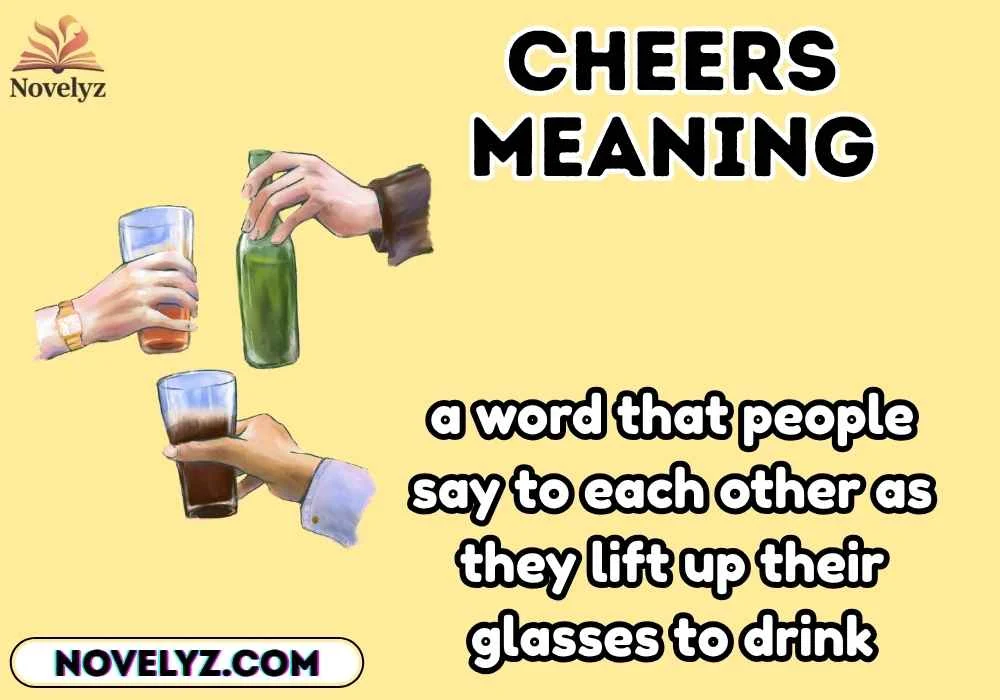
Originally, “cheers” was connected to raising glasses during a toast:
“Cheers!” before drinking.
Over time — especially in the UK, Australia, and online communities — the word evolved into an everyday expression for gratitude and friendliness.
Now in 2026, it’s common in:
- Text messages
- Online gaming
- Discord servers
- Reddit comments
- Work chats
- Social media replies
How People Use “Cheers” in Real Conversations
The meaning of “cheers” in chat depends heavily on tone and context.
Common Platforms Where It Appears
Texting
People use it casually instead of saying “thanks.”
Example:
- “Cheers for picking me up earlier.”
Instagram & Snapchat
Often used in replies or story reactions.
Example:
- “Cheers for the recommendation.”
Discord & Gaming Chats
Gamers use it after receiving help, items, or support.
Example:
- “Cheers for the revive.”
Dating Apps
Sometimes used politely after a conversation or compliment.
Example:
- “Cheers, that’s sweet of you.”
Forums & Reddit
Frequently used in British and Australian online communities.
Example:
- “Cheers, that solved my problem.”
When It Feels Natural
“Cheers” sounds natural when the conversation is:
- Casual
- Friendly
- Relaxed
- Social
- Community-based
It can feel awkward when:
- The conversation is extremely formal
- The other person expects professional language
- The tone is emotional or serious
For example, saying “cheers” during a serious apology might sound emotionally disconnected.
Real-Life Examples of “Cheers” in Text Messages
Here are some realistic examples showing how people actually use the term online.
Example 1
Message:
“Cheers for covering my shift.”
Meaning:
“Thank you for helping me.”
Example 2
Message:
“I’ll send the details tonight. Cheers.”
Meaning:
A friendly sign-off similar to:
- Thanks
- Take care
- Appreciate it
Example 3
Message:
“Cheers mate, you saved me there.”
Meaning:
Strong appreciation in a relaxed tone.
Example 4
Message:
“Cheers lol.”
Meaning:
Can sometimes sound sarcastic depending on context.
This version might mean:
- “Thanks… I guess.”
- Mild annoyance
- Passive-aggressive humor
Example 5
Message:
“Got the package. Cheers!”
Meaning:
Simple gratitude.
Common Mistakes & Misunderstandings
A lot of people misunderstand cheers meaning slang because the word changes across cultures and age groups.
1. Thinking It Only Relates to Drinking
This is the biggest confusion.
While “cheers” started as a drinking toast, most online uses today simply mean:
- Thanks
- Appreciate it
- Goodbye
2. Using It in Extremely Formal Situations
“Cheers” is casual.
Using it in:
- legal emails
- academic writing
- serious workplace communication
can sometimes sound too informal.
3. Misreading Sarcasm
Tone matters a lot online.
Example:
- “Cheers for ignoring my message.”
This clearly does not mean genuine gratitude.
It’s sarcastic frustration.
4. Cultural Confusion
In the UK and Australia, “cheers” is extremely common.
In some other countries, it may sound:
- overly casual
- unusual
- stereotypically British
That’s why some non-native speakers get confused when seeing it in chats.
How to Respond When Someone Sends You “Cheers”
If someone texts you “cheers,” here are safe and natural responses.
Easy Reply Options
- “No problem.”
- “Anytime.”
- “You’re welcome.”
- “Glad to help.”
- “Of course.”
Casual Online Replies
- “Np”
- “All good”
- “Got you”
- “Anytime mate”
When to Ask for Clarification
If the tone feels unclear or sarcastic, context matters.
Example:
- “Cheers for that…”
Depending on the situation, this could mean:
- genuine appreciation
- annoyance
- passive aggression
Is “Cheers” Still Used in 2026?
Yes — very much.
In fact, “cheers” is still widely used in 2026, especially in casual online communication.
Who Uses It Most?
Millennials
Still use it heavily in:
- texting
- work chats
- social media
Gen Z
Uses it too, but often mixed with:
- irony
- memes
- dry humor
- sarcasm
Where It’s Most Common Today
You’ll still see “cheers” frequently on:
- Discord
- Instagram DMs
- Gaming communities
- UK-based online spaces
It has stayed relevant because it’s:
- short
- friendly
- easy to type
- emotionally light
Related Slangs & Abbreviations
If you’re learning modern internet slang, these terms are closely related to “cheers meaning in text.”
Thanks
Basic appreciation.
TY
Short for “thank you.”
TYSM
Means:
“Thank you so much.”
Appreciate It
A warmer, slightly more personal thank-you.
GG
Gaming slang for:
“Good game.”
Often used politely like “cheers” after matches.
Much Appreciated
A slightly more formal gratitude phrase.
FAQs
What does “cheers” mean in text messages?
In texting, “cheers” usually means “thanks” or “thank you” in a casual, friendly way.
Is “cheers” British slang?
Yes, it’s strongly associated with British English, but it’s now widely used online worldwide.
Can “cheers” mean goodbye?
Sometimes. People use it as a casual sign-off similar to “take care” or “see you.”
Is “cheers” rude or sarcastic?
Usually no, but tone changes everything. In sarcastic messages, it can express annoyance.
Do Gen Z still use “cheers” in 2026?
Yes, although Gen Z often uses it with humor, irony, or meme-style communication.
Conclusion:
Now you know the real cheers meaning in chat, text, and social media.
Most of the time, it simply means:
- thanks
- appreciation
- friendly acknowledgment
But like many internet slang terms, the real meaning depends on tone, context, and platform.
Whether you see it on Discord, Snapchat, Reddit, or in a casual text message, understanding how “cheers” works can make online conversations feel much easier and less confusing.
Modern chat language changes fast, but “cheers” has stayed popular because it feels natural, short, and friendly.
What’s your favorite chat abbreviation? Drop it in the comments!

I am a curious writer at Novelyz who loves exploring meanings behind words, emotions, and everyday expressions. Through simple and engaging explanations, I help readers understand language in a clear, relatable way.