If you’ve recently seen the word thrum in a text message, social media post, online discussion, or creative writing piece, you might be wondering what it actually means. Unlike many internet abbreviations, thrum isn’t a modern acronym.
Instead, it’s a real English word that has found new life in digital conversations, storytelling, music discussions, gaming communities, and online culture.
Understanding the thrum meaning can help you better interpret messages, social media captions, and online content where the word appears. In some situations, it describes a physical sound. In others, it expresses emotion, excitement, tension, or a feeling that is difficult to put into words.
This guide explains exactly what thrum means, how people use it online, and how to understand it in different contexts. Updated for 2026.
What Does “Thrum” Mean in Chat or Text?
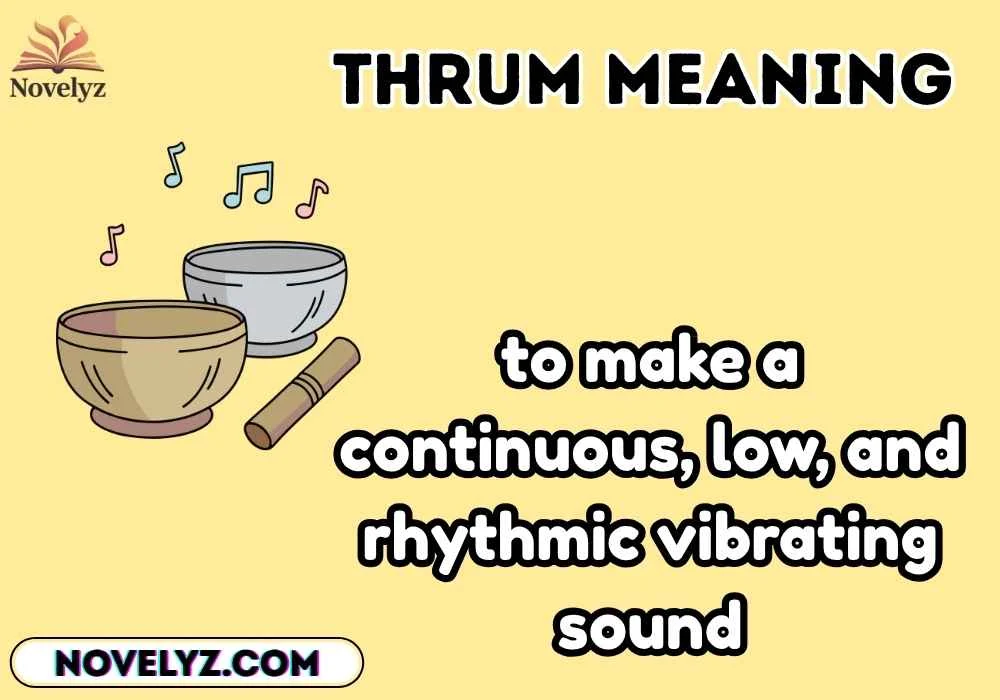
Thrum means a continuous, rhythmic vibration, humming sound, or strong underlying feeling.
In modern online conversations, people often use it to describe:
- A steady vibration or sound
- Excitement beneath the surface
- Emotional energy
- Nervous anticipation
- A constant background feeling
Simple Definition
When someone says something is “thrumming,” they usually mean:
A feeling, sound, or energy that is constantly present and pulsing in the background.
For example:
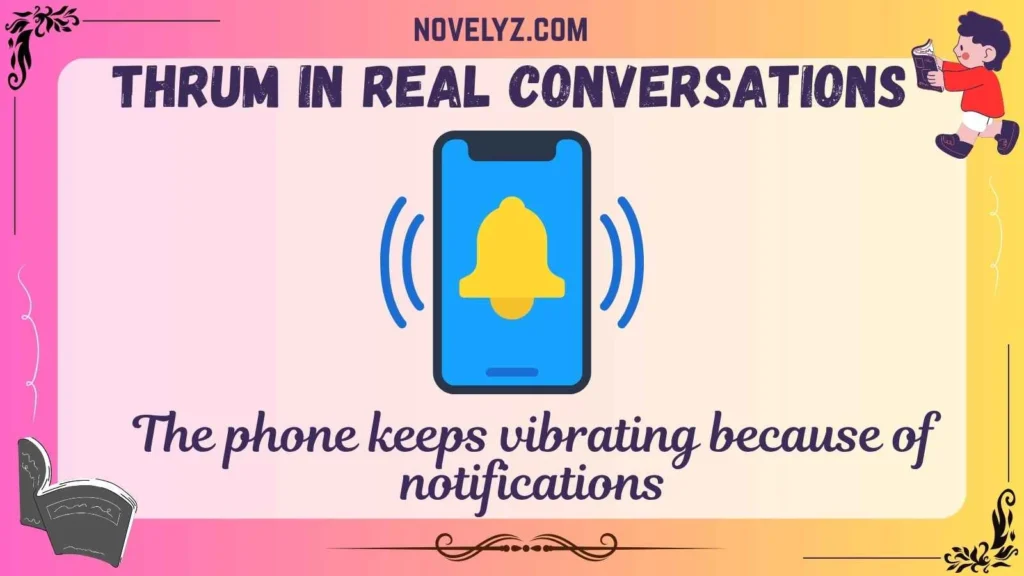
“My phone was thrumming with notifications all day.”
This means the phone kept vibrating or receiving messages continuously.
Origin of the Word
The word thrum has existed in English for centuries. Traditionally, it referred to:
- A repetitive humming sound
- The action of strumming strings
- A continuous vibration
Over time, writers, gamers, social media users, and online communities began using it more metaphorically to describe emotions and atmosphere.
Today, the term is commonly seen in:
- Social media captions
- Fan fiction
- Online storytelling
- Gaming communities
- Reddit discussions
- Creative writing
How People Use “Thrum” in Real Conversations
Unlike slang abbreviations such as LOL or BRB, thrum is used as a descriptive word.
Texting
People use it when describing ongoing activity or emotion.
Examples:
- “My phone is thrumming nonstop.”
- “There’s this weird thrum of excitement before the trip.”
Instagram users often include the word in captions to create a mood.
Example:
- “The city was thrumming with life tonight.”
Snapchat
On Snapchat, it may appear in story captions about events, concerts, or busy days.
Example:
- “Everything’s been thrumming since finals ended.”
Discord
Gaming and community servers sometimes use thrum to describe atmosphere.
Example:
- “The server was thrumming with hype before the update.”
Dating Apps
People occasionally use it to describe attraction or anticipation.
Example:
- “There was a quiet thrum of chemistry between us.”
Forums and Gaming Chats
Gamers often use it when discussing:
- Community excitement
- Background game music
- Server activity
- Anticipation for launches
Example:
- “The whole community is thrumming after that trailer drop.”
When It Feels Natural vs Awkward
Natural:
- Creative conversations
- Storytelling
- Emotional descriptions
- Gaming discussions
Awkward:
- Formal business emails
- Technical documentation
- Professional reports
The word carries a slightly artistic tone, so it works best in casual or expressive settings.
Real-Life Examples of “Thrum” in Text Messages
Example 1
Message:
“My phone has been thrumming all morning.”
Meaning:
The phone keeps vibrating because of notifications.
Example 2
Message:
“The crowd was thrumming before the concert started.”
Meaning:
Everyone felt excited and energetic.
Example 3
Message:
“There’s a thrum of anxiety before every exam.”
Meaning:
A constant feeling of nervousness is present.
Example 4
Message:
“Discord was thrumming after the update announcement.”
Meaning:
The community became very active and excited.
Example 5
Message:
“The city seemed to thrum with energy tonight.”
Meaning:
The city felt lively and active.
Common Mistakes & Misunderstandings
Thinking It’s an Acronym
Many people assume thrum is internet slang made from initials.
It isn’t.
Thrum is a standard English word.
Confusing It with “Hum”
While similar, thrum often suggests:
- Stronger vibration
- More emotional energy
- Greater intensity
Taking It Literally Every Time
Sometimes thrum refers to a physical vibration.
Other times it describes emotions.
Context matters.
Misreading Creative Writing
In novels and online stories, thrum often describes:
- Romance
- Tension
- Fear
- Excitement
Not an actual sound.
How to Respond When Someone Sends You “Thrum”
If someone uses thrum in a message, the best response depends on context.
If They’re Talking About Notifications
Example:
“My phone is thrumming nonstop.”
Response:
- “Popular today?”
- “Sounds busy.”
- “What’s everyone messaging about?”
If They’re Talking About Excitement
Example:
“The whole place is thrumming with energy.”
Response:
- “Sounds amazing.”
- “I wish I was there.”
- “Looks like everyone’s excited.”
If You’re Unsure
Simply ask:
- “What do you mean by thrum?”
- “Are you talking about a feeling or a sound?”
Most people will happily clarify.
Is “Thrum” Still Used in 2026?
Yes.
While it isn’t one of the most common internet slang terms, it remains widely used in:
- Social media captions
- Reddit discussions
- Gaming communities
- Fan fiction
- Creative writing
- Online storytelling
Gen Z Usage
Gen Z often uses thrum to create atmosphere or describe emotional energy.
Millennial Usage
Millennials typically use it in writing, social posts, and discussions about experiences.
Current Trend
The word isn’t fading away.
Instead, it has become a niche but respected term for describing mood, energy, and ongoing emotional intensity.
Related Slangs & Abbreviations
Vibe
The overall feeling or atmosphere of something.
Energy
A person’s mood, enthusiasm, or presence.
Hype
Strong excitement surrounding an event or topic.
Buzz
Widespread excitement or discussion.
Hum
A continuous low sound, similar to thrum but less intense.
Momentum
Growing activity or excitement over time.
These terms are often used in similar situations but carry slightly different meanings.
FAQs:
What does thrum mean in text messages?
It usually refers to a continuous vibration, ongoing activity, or a strong underlying feeling such as excitement or anxiety.
Is thrum internet slang?
Not exactly. Thrum is a traditional English word that has become popular in online conversations and digital culture.
What does thrumming mean on social media?
It often describes a lively atmosphere, emotional energy, or constant activity happening in a community or location.
Can thrum describe emotions?
Yes. People frequently use it to describe excitement, anticipation, nervousness, attraction, or tension.
Is thrum still popular in 2026?
Yes. While not as common as mainstream slang terms, it continues to appear in social media posts, gaming communities, online discussions, and creative writing.
Conclusion:
The thrum meaning goes beyond a simple sound or vibration. In modern chat, text, social media, and online communities, it often describes a steady pulse of activity, excitement, emotion, or energy that exists beneath the surface.
Whether someone says their phone is thrumming with notifications or a community is thrumming with excitement, the word helps capture a feeling that ordinary words sometimes miss.
Now that you know what thrum means in text, chat, and online culture, you’ll be able to recognize it instantly and understand exactly what people are trying to express.
What’s your favorite chat abbreviation? Drop it in the comments!