Ever had that random moment when your left palm starts itching and you pause, thinking, “Is this a sign of something?” You’re not alone.
The left palm itching meaning is one of the most searched superstitions online, especially in chat conversations, social media comments, and casual texting.
In modern digital culture, people mix traditional beliefs with meme style reactions so this old superstition is now part of everyday online language too.
Updated for 2026, this guide breaks it down simply, clearly, and with real-world context so you actually understand what people mean when they say it.
What Does “Left Palm Itching Meaning” Mean in Chat or Text?
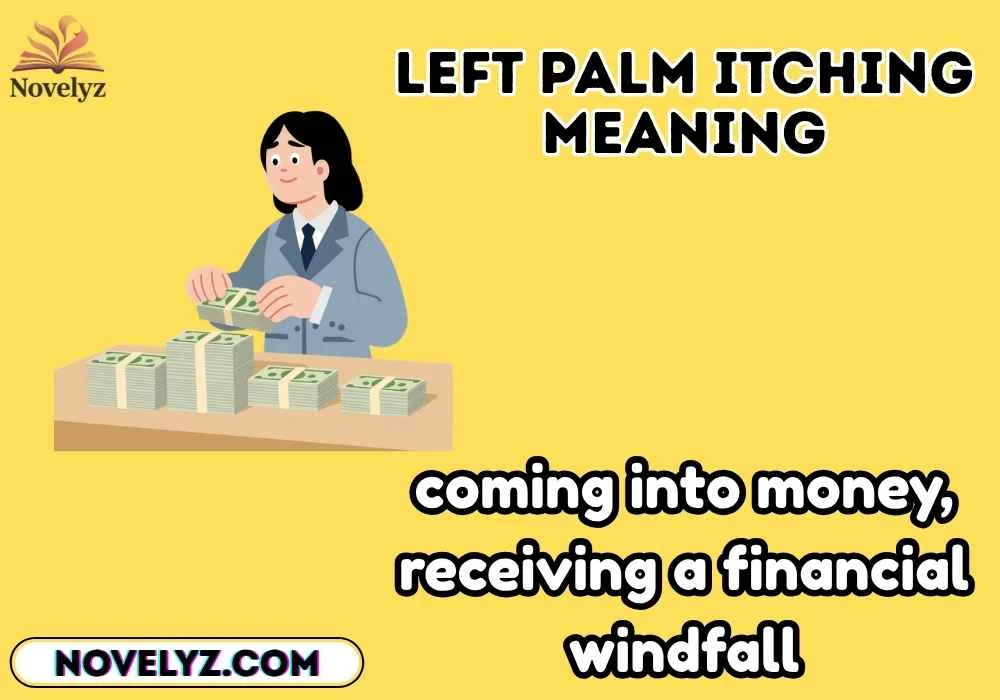
At its core, left palm itching meaning refers to a popular belief that:
- An itching left palm = money going out (loss or spending)
- An itching right palm = money coming in (gain or profit)
Simple Explanation:
If someone says:
“My left palm is itching today…”
They usually mean:
“I might lose money or have to spend soon.”
Where This Comes From
This belief comes from old cultural traditions, especially in:
- South Asia
- African folklore
- European superstitions
Historically, people connected physical sensations with luck, money, and fate. Over time, this idea moved into modern conversation—even in texts and memes.
How It’s Evolved in 2026
Today, it’s not always taken seriously. People use it:
- As a joke
- As a casual prediction
- As a reaction to spending money
It’s now part superstition, part internet culture.
How People Use “Left Palm Itching Meaning” in Real Conversations
You’ll see this phrase used across different platforms:
Common Places:
- Text messages
- Instagram comments
- Snapchat chats
- Discord servers
- Reddit threads
- Gaming chats
Typical Usage Styles:
1. Casual
“Bro my left palm itching… I’m about to go broke.”
2. Funny / Meme Style
“Left palm itching = RIP my wallet.”
3. Semi-Serious
“My left palm is itching since morning, hope it’s not a bad sign.”
4. Relatable Spending Moment
“Why is my left palm itching right before payday…”
When It Feels Natural vs Awkward
Natural:
- Talking about money
- Joking with friends
- Reacting to spending
Awkward:
- Formal conversations
- Professional chats
- With people unfamiliar with the superstition
Real-Life Examples of “Left Palm Itching Meaning” in Text Messages
Here are some real-style chat examples with meanings:
Example 1:
“My left palm itching… bills incoming.”
Meaning:
They expect to spend money soon.
Example 2:
“Left palm itching right before shopping? Not a good sign lol.”
Meaning:
They’re joking about overspending.
Example 3:
“Why is my left hand itching today 😭”
Meaning:
They’re worried something unlucky (usually financial) might happen.
Example 4:
“Left palm itching… I’m not opening my wallet today.”
Meaning:
They’re trying to avoid spending money.
Example 5:
“Every time my left palm itches, I lose money. Coincidence?”
Meaning:
Half-joking, half-believing in the superstition.
Common Mistakes & Misunderstandings
1. Mixing Up Left vs Right Palm
A very common confusion:
- Left = money going out
- Right = money coming in
People often flip these.
2. Taking It Too Literally
In 2026, most people don’t fully believe it. It’s often:
- A joke
- A habit
- A cultural reference
3. Using It in the Wrong Context
Saying this in serious financial discussions can feel out of place.
4. Cultural Misunderstanding
Not everyone knows this superstition, especially:
- Western audiences unfamiliar with it
- Younger users outside certain cultures
How to Respond When Someone Sends You “Left Palm Itching”
If someone texts you this, here’s how you can reply:
Safe & Easy Responses:
- “Uh oh, save your money today.”
- “Hide your wallet 😂”
- “Hope it’s just a myth.”
Funny Responses:
- “Cancel all your plans immediately.”
- “Too late, money already gone.”
If You’re Confused:
- “What does that mean?”
Totally fine—many people don’t know the superstition.
When NOT to Use It Back
Avoid using it if:
- You’re in a formal conversation
- The other person doesn’t understand slang/superstitions
Is “Left Palm Itching Meaning” Still Used in 2026?
Yes—but differently than before.
Current Trend:
- Still widely recognized
- More casual and meme-based now
Gen Z vs Millennials:
Gen Z:
- Uses it jokingly
- Often in memes or captions
Millennials:
- More likely to actually reference the belief
- Still mix humor with tradition
Where It’s Most Common Now:
- TikTok captions
- Instagram comments
- WhatsApp chats
- Family conversations
It’s not fading—it’s evolving into a cultural joke.
Related Slangs & Abbreviations
Here are some similar or related expressions:
- “Right palm itching”
Means money coming in - “RIP wallet”
Used when expecting to spend money - “Broke era”
Joke about having no money - “Retail therapy”
Spending money to feel better - “Money vibes”
Used when expecting financial gain
These terms often appear together in chat conversations.
FAQs :
What does left palm itching mean in text?
It usually means someone expects to lose money or spend soon, often used jokingly.
Is left palm itching a real sign of money loss?
No scientific proof. It’s a cultural superstition, not a fact.
What does right palm itching mean?
It’s believed to mean money coming in or financial gain.
Why do people still use this in 2026?
Because it’s relatable, cultural, and works well as humor in chats.
Can I use this slang in professional conversations?
Not recommended. It’s best for casual or social chats.
Conclusion :
The left palm itching meaning is a perfect example of how old beliefs evolve into modern digital language. Whether you believe in it or just use it for fun, it’s now part of everyday chat culture.
If you see it in a message, don’t overthink it it usually just means someone is joking about spending money or expecting bad luck financially.
Understanding small phrases like this makes a big difference in how you read and respond to modern conversations.
What’s your favorite chat abbreviation? Drop it in the comments!

I am a curious writer at Novelyz who loves exploring meanings behind words, emotions, and everyday expressions. Through simple and engaging explanations, I help readers understand language in a clear, relatable way.