Have you ever seen someone use the word appeasing in a text message, online discussion, or social media comment and wondered what they meant?
You’re not alone. Many people search for appeasing meaning because the word can sound formal, but it’s still commonly used in everyday conversations, online debates, relationships, gaming communities, and social media discussions.
Understanding the appeasing meaning can help you better understand people’s intentions, avoid misunderstandings, and communicate more effectively in modern digital conversations.
This guide explains everything you need to know about the term, including how people actually use it online, real examples, common mistakes, and whether it’s still relevant in 2026.
What Does “Appeasing” Mean in Chat or Text?
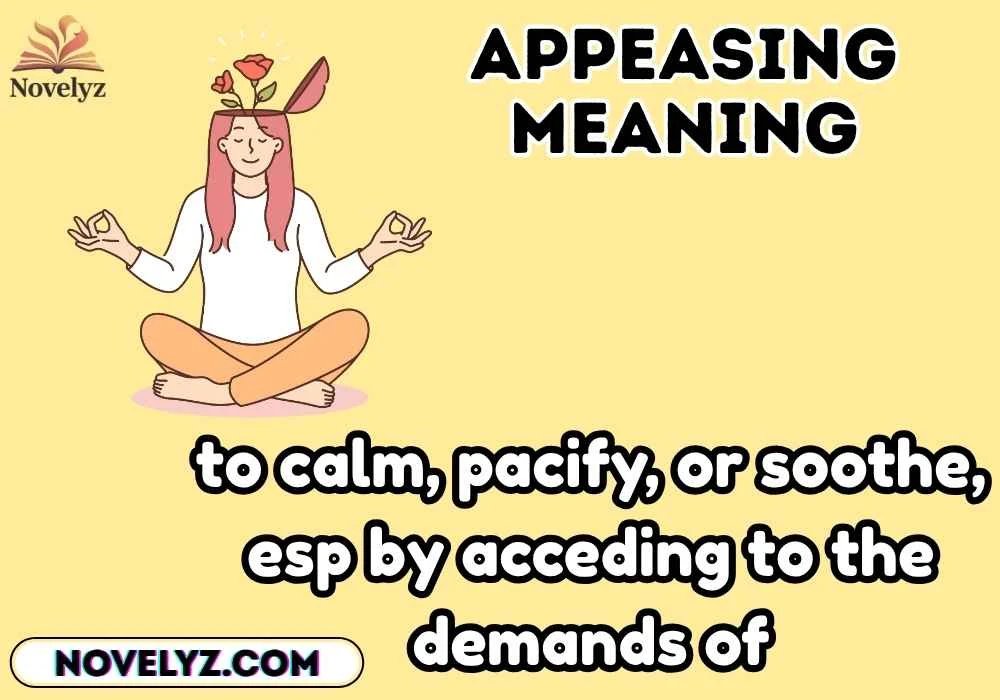
Appeasing means trying to calm, satisfy, or make someone less angry, upset, or frustrated.
In chat conversations, when someone says a person is “appeasing” another person, they usually mean that the person is trying to keep the peace, avoid conflict, or make someone happy.
Simple Definition
Appeasing = doing or saying something to reduce tension or prevent an argument.
For example:
“He’s just appeasing his girlfriend so they don’t fight again.”
This means he’s trying to keep her happy and avoid conflict.
Appeasing Meaning Slang Usage
While appeasing is not technically internet slang, it has become common in online discussions where people talk about:
- Relationships
- Workplace drama
- Family conflicts
- Gaming communities
- Social media arguments
- Celebrity controversies
Origin of the Word
The word comes from the verb appease, which has existed in English for centuries and originally meant “to bring peace” or “to calm.”
Today, online users often use it in a more casual way to describe someone who is trying to avoid confrontation or keep another person satisfied.
How People Use “Appeasing” in Real Conversations
The way people use appeasing often depends on the situation and tone.
Texting
In personal messages, it usually refers to avoiding arguments.
Example:
“I wasn’t agreeing with him. I was just appeasing him.”
People often use it in comment sections during debates.
Example:
“The company is just appeasing angry customers.”
Snapchat
Friends may use it when discussing relationships.
Example:
“She’s only saying sorry because she’s appeasing him.”
Discord
Gaming communities frequently use the term when discussing moderators or developers.
Example:
“The update feels like they’re appeasing the community.”
Dating Apps
Users may describe behavior that seems overly agreeable.
Example:
“Don’t just appease people. Be yourself.”
Forums and Gaming Chats
The term commonly appears during discussions about rules, updates, or controversial decisions.
Example:
“The admins are appeasing a small group of users.”
When It Feels Natural
Using “appeasing” sounds natural when discussing:
- Arguments
- Complaints
- Relationships
- Customer service
- Conflict resolution
When It Feels Awkward
It may sound overly formal in casual conversations like:
“I’m appeasing my friend with pizza.”
Most people would simply say:
“I’m trying to make my friend happy.”
Real-Life Examples of “Appeasing” in Text Messages
Example 1
Text:
“I’m just appeasing my mom so she’ll stop asking.”
Meaning:
The sender is doing something mainly to avoid further pressure or complaints.
Example 2
Text:
“The apology felt more like appeasing than genuine regret.”
Meaning:
The apology may have been given just to calm people down.
Example 3
Text:
“He’s always appeasing everyone.”
Meaning:
The person constantly tries to keep everyone happy.
Example 4
Text:
The game update is clearly appeasing angry players.
Meaning:
Developers made changes to reduce criticism from the community.
Example 5
Text:
“Stop appeasing trolls online.”
Meaning:
Don’t give attention to people who are trying to provoke reactions.
Common Mistakes & Misunderstandings
Many people misunderstand the word because its meaning changes slightly depending on context.
Mistake #1: Assuming It Always Means Agreement
Appeasing someone doesn’t necessarily mean agreeing with them.
Often it simply means reducing conflict.
Mistake #2: Thinking It’s Always Negative
Sometimes appeasing can be helpful.
For example:
- Calming an upset customer
- Resolving an argument
- Maintaining peace in a group
Mistake #3: Confusing It With Being Fake
Appeasing behavior can be sincere or insincere depending on the situation.
Context matters.
Mistake #4: Ignoring Tone
The phrase:
“He’s just appeasing them.”
often carries criticism.
It can imply the person is avoiding honesty to keep others satisfied.
How to Respond When Someone Sends You “Appeasing”
If someone uses the word in a message, here are some safe responses.
If You’re Unsure
Try:
- “What do you mean by appeasing?”
- “Do you mean they’re trying to avoid conflict?”
- “Are they genuinely agreeing or just keeping the peace?”
If You Understand the Context
You might respond:
- “Yeah, that sounds accurate.”
- “I can see why you’d think that.”
- “Maybe they’re just trying to calm the situation.”
When Not to Use It Back
Avoid using “appeasing” if you’re not sure about the person’s intentions.
The word can sometimes sound judgmental.
Is “Appeasing” Still Used in 2026?
Yes, absolutely.
The term remains common across:
- Reddit discussions
- Online forums
- Discord servers
- Workplace conversations
- Relationship advice content
- Social media debates
Gen Z Usage
Gen Z typically uses the word when discussing:
- Online drama
- Relationship dynamics
- Influencers
- Community reactions
Millennial Usage
Millennials often use it in discussions about:
- Work environments
- Parenting
- Relationships
- Customer service
Is It Growing or Fading?
The word isn’t fading.
Instead, it continues to be widely used whenever people discuss conflict, compromise, and social dynamics.
Related Slangs & Abbreviations
If you’re researching appeasing meaning, you may also come across these related terms:
People-Pleasing
Trying to make everyone happy, often at your own expense.
Conflict Avoidant
Someone who dislikes confrontation and tries to avoid disagreements.
Smoothing Things Over
Making a situation less tense.
Keeping the Peace
Preventing arguments or drama.
Damage Control
Taking action to reduce backlash after a mistake or controversy.
Walking on Eggshells
Being extremely careful to avoid upsetting someone.
These terms are often used in similar conversations and can help you better understand online discussions.
FAQs:
What does appeasing mean in text?
Appeasing in text means trying to calm, satisfy, or reduce conflict with another person.
Is appeasing a positive or negative word?
It can be either. Sometimes it describes healthy conflict resolution, while other times it suggests someone is avoiding honesty to keep others happy.
What does appeasing mean in a relationship?
It usually refers to trying to prevent arguments or make a partner feel better, sometimes at the cost of expressing your true feelings.
Is appeasing the same as agreeing?
No. Someone can appease another person without actually agreeing with them.
Why do people use the word appeasing online?
People use it to describe actions intended to calm criticism, reduce tension, or avoid conflict in social, professional, or online situations.
Conclusion:
Understanding the appeasing meaning is easier once you see how people actually use it in real conversations.
In most cases, the word refers to calming someone down, reducing conflict, or keeping the peace. However, the tone can vary depending on the situation.
Sometimes it’s seen as helpful diplomacy, while other times it’s viewed as avoiding honesty or confrontation.
The key is to pay attention to context. Whether you’re reading texts, browsing social media, participating in gaming communities, or chatting with friends, recognizing how “appeasing” is used will help you understand conversations more confidently.
What’s your favorite chat abbreviation? Drop it in the comments!

I am a curious writer at Novelyz who loves exploring the true meanings behind words, phrases, and modern expressions. My goal is to explain language in a simple, clear way that feels real, relatable, and easy for everyone to understand.