Have you seen ABV in a text message, social media post, gaming chat, or online discussion and wondered what it means?
You’re not alone. Internet abbreviations evolve quickly, and many people search for ABV meaning because they’re unsure whether it refers to slang, alcohol, gaming, or something completely different.
The truth is that ABV can have multiple meanings depending on the context, which is why it often causes confusion. Understanding what someone means by ABV can help you avoid misunderstandings and keep up with modern online conversations.
This guide explains exactly what ABV means in text, chat, social media, gaming, and everyday online communication, with real examples and practical explanations updated for 2026.
What Does “ABV” Mean in Chat or Text?
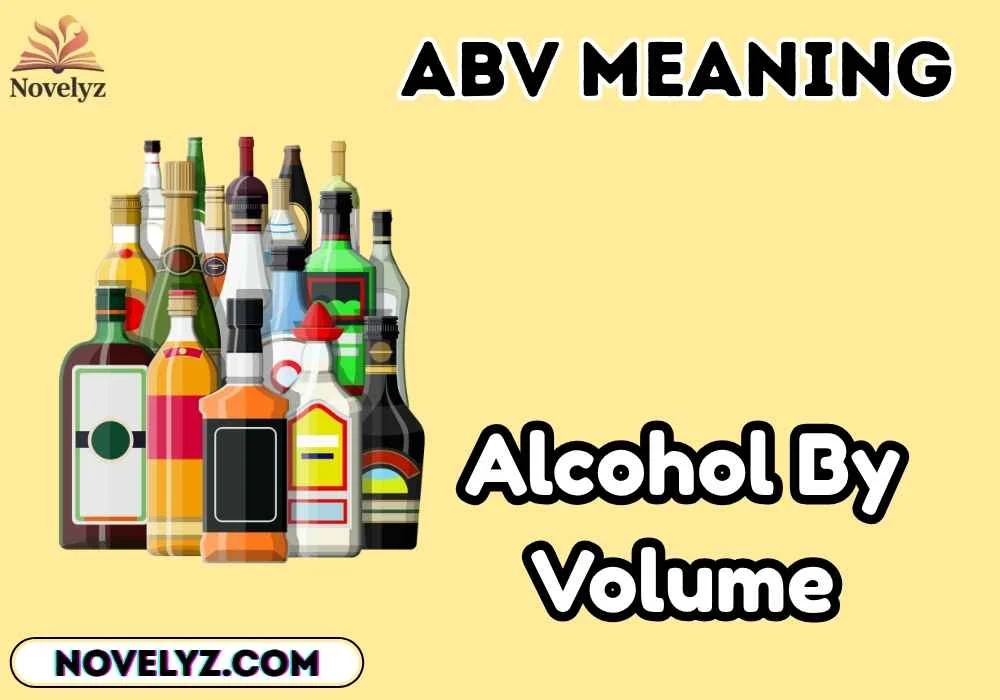
In most online conversations, ABV stands for “Alcohol By Volume.”
It is a measurement used to show how much alcohol is contained in a drink, usually expressed as a percentage.
For example:
- Beer: 4%–8% ABV
- Wine: 10%–15% ABV
- Spirits: 35%–50% ABV
Someone might say:
“That craft beer has a pretty high ABV.”
This means the beer contains a relatively high percentage of alcohol.
Other Meanings of ABV
Although Alcohol By Volume is the most common meaning, ABV can occasionally have different meanings depending on the community or platform:
- Alcohol By Volume (most common)
- Business or company abbreviations
- Gaming clan tags or usernames
- Industry-specific acronyms
When people search for what does ABV mean in text, they are usually referring to the alcohol-related definition.
Origin of ABV
The term originated in the alcohol and beverage industry as a standard way to measure alcoholic strength.
Over time, it became common in:
- Online beer communities
- Reddit discussions
- Social media posts
- Restaurant reviews
- Craft beer culture
- Drinking-related memes
Today, many internet users casually use ABV without explaining it because the abbreviation has become widely recognized online.
How People Use “ABV” in Real Conversations
ABV appears most often when discussing alcoholic drinks.
Texting
Friends may use it when planning a night out.
Examples:
- “What’s the ABV on that drink?”
- “I didn’t realize it was 12% ABV.”
ABV commonly appears in:
- Beer reviews
- Brewery posts
- Cocktail content
- Beverage recommendations
Example:
“Smooth flavor and 7.5% ABV.”
Snapchat
Users may mention ABV while sharing drinks or party-related content.
Example:
“This one has a crazy ABV.”
Discord
Gaming communities often discuss drinks during voice chats or casual conversations.
Example:
“Be careful, that ABV is higher than it tastes.”
Dating Apps
Occasionally, people mention favorite drinks and discuss ABV levels.
Example:
“I usually prefer lower ABV beers.”
Forums and Gaming Communities
ABV is especially common in:
- Beer forums
- Homebrewing groups
- Reddit communities
- Beverage review sites
Tone and Intent
ABV is usually:
- Informational
- Casual
- Neutral
- Educational
Unlike many slang abbreviations, it is rarely sarcastic or flirty.
Real-Life Examples of “ABV” in Text Messages
Here are some realistic examples showing how people actually use ABV.
Example 1
Person A: What beer did you buy?
Person B: The new IPA. It’s 8.2% ABV.
Meaning: They’re discussing alcohol strength.
Example 2
Person A: Why am I feeling this after one drink?
Person B: Check the ABV. It’s stronger than usual.
Meaning: The drink contains more alcohol than expected.
Example 3
Person A: Is this wine strong?
Person B: Around 14% ABV.
Meaning: The alcohol percentage is relatively high.
Example 4
Person A: This tastes really smooth.
Person B: Yeah, but don’t let that fool you. The ABV is 10%.
Meaning: The drink tastes mild despite having significant alcohol content.
Example 5
Person A: What’s your favorite craft beer?
Person B: Anything around 6% ABV.
Meaning: They prefer moderate-strength beer.
Common Mistakes & Misunderstandings
Because ABV has multiple possible meanings, confusion happens frequently.
Assuming It’s Internet Slang
Many users think ABV is a trendy social media abbreviation.
In reality, it’s usually an industry term that became common online.
Ignoring Context
The same abbreviation may mean different things in different communities.
For example:
- Beverage discussion = Alcohol By Volume
- Company name = Business abbreviation
- Gaming group = Clan or team identifier
Misreading the Percentage
Some beginners assume:
- 10% ABV means 10% of the drink is water
- 40% ABV means 40% proof
Neither is correct.
ABV specifically measures the percentage of alcohol contained in a beverage.
Generational Confusion
Older users may recognize ABV immediately from beverage labels.
Younger users often encounter it first through social media, beer reviews, or memes.
How to Respond When Someone Sends You “ABV”
If someone mentions ABV and you’re unfamiliar with it, don’t worry.
Here are simple responses:
Safe Responses
- “What’s the ABV on it?”
- “Is that considered high?”
- “I didn’t know it had that much alcohol.”
- “How strong is that compared to regular beer?”
When to Ask for Clarification
If the conversation isn’t about drinks, you can simply ask:
“What do you mean by ABV?”
Most people will explain it immediately.
When Not to Use It Back
Avoid using ABV if:
- You’re unsure of the context.
- The conversation isn’t related to beverages.
- You don’t know what percentage is being discussed.
Using it incorrectly can make conversations confusing.
Is “ABV” Still Used in 2026?
Yes. ABV remains extremely common in 2026.
In fact, its usage continues to grow because of:
- Craft beer culture
- Beverage review content
- Social media drink recommendations
- Homebrewing communities
- Alcohol-focused influencers
Gen Z vs Millennial Usage
Gen Z
Often encounters ABV through:
- TikTok beverage content
- Instagram drink reviews
- Social sharing
Millennials
More likely to use ABV when discussing:
- Craft beer
- Wine
- Homebrewing
- Alcohol recommendations
Is It Fading?
No.
ABV is not a disappearing abbreviation. It remains the standard measurement for alcohol content worldwide.
Related Slangs & Abbreviations
If you’re learning internet abbreviations, these terms are often searched alongside ABV.
ABW
May mean “All But Work” or other community-specific definitions depending on context.
IMO
In My Opinion
Used to share personal viewpoints.
TBH
To Be Honest
Used before a sincere statement.
IRL
In Real Life
Refers to offline activities.
FYI
For Your Information
Used when sharing useful information.
SMH
Shaking My Head
Expresses disappointment or disbelief.
NGL
Not Gonna Lie
Introduces an honest opinion.
Understanding related abbreviations makes online conversations much easier to follow.
FAQs:
What does ABV mean in text messages?
ABV usually means Alcohol By Volume, which indicates the percentage of alcohol in a drink.
What does ABV mean in slang?
ABV is generally not considered slang. It is a standard abbreviation used to describe alcohol content.
What does 5% ABV mean?
It means 5% of the beverage’s volume consists of pure alcohol.
Is ABV commonly used on social media?
Yes. ABV frequently appears in beer reviews, wine discussions, cocktail posts, and beverage-related content.
Can ABV have different meanings?
Yes. While Alcohol By Volume is the most common meaning, some industries, businesses, and communities may use ABV differently.
Conclusion:
If you’ve been wondering about ABV meaning, the answer is usually simple: ABV stands for Alcohol By Volume, a measurement that shows how much alcohol is contained in a drink.
You’ll commonly see it in text messages, social media posts, beer reviews, wine discussions, Discord chats, and online communities focused on beverages.
While ABV can occasionally have other meanings, the alcohol-related definition is by far the most widely used.
Now that you know what ABV means in chat, text, and online conversations, you’ll be able to recognize it instantly and understand the context with confidence.
What’s your favorite chat abbreviation? Drop it in the comments!

I am a curious writer at Novelyz who loves exploring meanings behind words, emotions, and everyday expressions. Through simple and engaging explanations, I help readers understand language in a clear, relatable way.