If you’ve seen the word aboot in a text message, social media comment, meme, or online conversation, you may have wondered what it actually means.
At first glance, it looks like a typo, but that’s not always the case.
The term aboot meaning is becoming a common search because many people encounter it online and aren’t sure whether it’s slang, a joke, or a real word. Understanding terms like this helps you avoid confusion and better understand modern internet conversations.
In this updated 2026 guide, we’ll explain exactly what aboot means, where it comes from, how people use it online, and what someone usually means when they type it.
What Does “Aboot” Mean in Chat or Text?
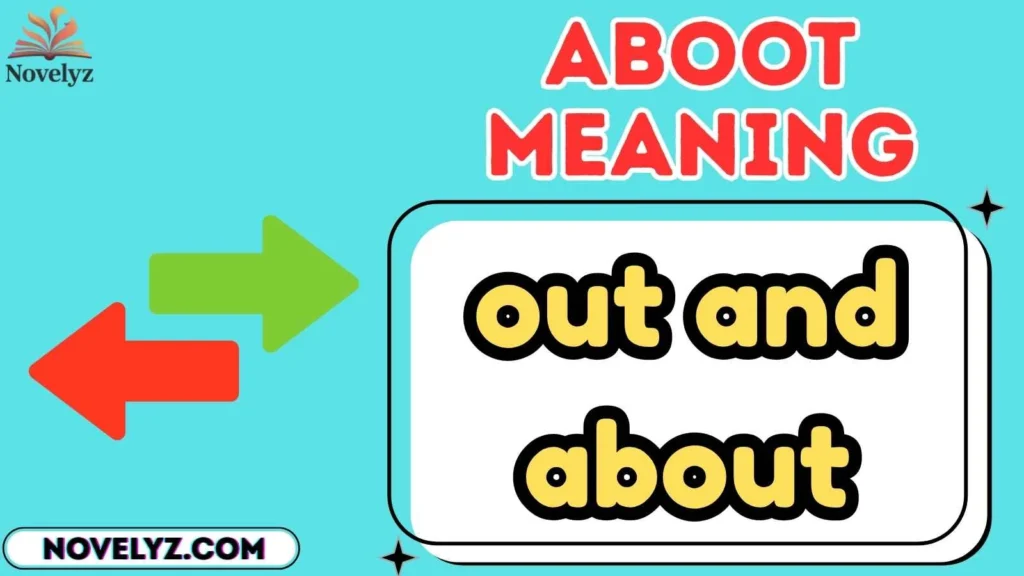
Aboot is a humorous or phonetic spelling of the word “about.”
It is most commonly associated with the way some people jokingly imitate a Canadian accent. For years, internet users have playfully exaggerated Canadian pronunciation by writing “about” as aboot.
Simple Definition
Aboot = About
Example:
- “What are you talking aboot?”
- Meaning: “What are you talking about?”
Although it represents the same word, the spelling is often used for humor, memes, jokes, or playful conversations.
Origin of Aboot
The word became popular through:
- Canadian stereotype jokes
- Online forums
- Early internet memes
- Social media humor
- Gaming communities
Many people outside Canada believed Canadians pronounce “about” as “aboot.” While real Canadian pronunciation is more nuanced than that stereotype, the joke became deeply embedded in internet culture.
How the Meaning Has Evolved
Originally, “aboot” appeared mostly in jokes about Canada.
Today, people use it:
- To be funny
- To imitate a Canadian accent
- In memes
- As playful internet slang
- To make conversations sound more casual
The meaning itself hasn’t changed much, but its use has expanded across social media and online communities.
How People Use “Aboot” in Real Conversations
You’ll most often see aboot used casually rather than seriously.
Common Platforms
Text Messages
Friends may use it jokingly during casual conversations.
Example:
“What’s this aboot?”
Often appears in comments, captions, and meme pages.
Example:
“Tell me more aboot this.”
Snapchat
Used among friends for playful conversations.
Example:
“What are you laughing aboot?”
Discord
Gaming and community servers frequently use it jokingly.
Example:
“What’s everyone talking aboot?”
Dating Apps
Sometimes used to sound playful or humorous.
Example:
“So what’s your profile aboot?”
Forums & Gaming Chats
Long-time internet users often recognize it as meme-style language.
Tone and Intent
The tone is usually:
- Casual
- Playful
- Humorous
- Sarcastic
- Light-hearted
It is rarely used in serious or professional conversations.
When It Feels Natural
Natural situations include:
- Talking with friends
- Meme discussions
- Gaming chats
- Casual social media interactions
When It Feels Awkward
Avoid using it:
- In business emails
- Professional messages
- Academic writing
- Formal communication
In those situations, simply write “about.”
Real-Life Examples of “Aboot” in Text Messages
Here are some realistic examples showing how context affects meaning.
Example 1
Message:
“What are you talking aboot?”
Meaning:
The sender is jokingly saying “What are you talking about?”
Example 2
Message:
“Tell me aboot your trip.”
Meaning:
A playful version of “Tell me about your trip.”
Example 3
Message:
“What’s all this aboot then?”
Meaning:
The sender is expressing curiosity, often humorously.
Example 4
Message:
“Nobody told me aboot this update.”
Meaning:
A casual complaint written in a humorous tone.
Example 5
Message:
“Stop arguing aboot it.”
Meaning:
A playful way of saying “Stop arguing about it.”
Common Mistakes & Misunderstandings
Many beginners misunderstand the word because it looks unusual.
Mistake 1: Thinking It’s a Different Word
Some people assume “aboot” has its own definition.
In reality, it usually means about.
Mistake 2: Assuming It’s Official Slang
Unlike abbreviations such as:
- LOL
- BRB
- IMO
Aboot is not an official internet acronym.
It’s primarily a humorous spelling.
Mistake 3: Using It in Formal Situations
Writing:
“Please tell me aboot the meeting.”
in a professional email may look unprofessional.
Mistake 4: Missing the Joke
Often the sender is intentionally making a Canadian-accent joke.
Taking it literally can cause confusion.
Mistake 5: Generational Differences
Older users may interpret it as a typo.
Younger internet users are more likely to recognize the joke immediately.
How to Respond When Someone Sends You “Aboot”
If someone uses aboot, don’t overthink it.
Safe Responses
You can simply reply normally:
- “What do you mean?”
- “Tell me more.”
- “Sure.”
- “I know what you’re talking about.”
Play Along
If the conversation is casual:
- “What’s this all aboot?”
- “Tell me aboot it.”
- “I’m curious aboot that too.”
When to Ask for Clarification
Ask if:
- The sentence doesn’t make sense.
- English isn’t your first language.
- The context is unclear.
Example:
“Do you mean ‘about’?”
When Not to Use It Back
Avoid copying it if:
- The conversation is professional.
- You aren’t comfortable using internet slang.
- The recipient may misunderstand the joke.
Is “Aboot” Still Used in 2026?
Yes, but mostly as a joke.
Gen Z Usage
Gen Z typically uses it:
- In memes
- On TikTok comments
- In Discord servers
- During playful conversations
Millennial Usage
Millennials often recognize it from:
- Older internet forums
- Early meme culture
- Online gaming communities
Is It Growing or Fading?
Aboot remains a niche slang term.
It isn’t as common as:
- LOL
- TBH
- IMO
- FR
- NGL
However, it continues to appear because Canadian-accent jokes remain part of internet culture.
Where It’s Most Common Today
You’ll still see it in:
- Reddit discussions
- Discord chats
- Meme communities
- Gaming groups
- Social media comments
Related Slangs & Abbreviations
If you’re learning internet slang, these terms are often searched alongside aboot meaning.
LOL
Laugh Out Loud
Used when something is funny.
TBH
To Be Honest
Used before expressing an opinion.
IMO
In My Opinion
Used when sharing personal views.
NGL
Not Gonna Lie
Introduces an honest statement.
FR
For Real
Used to emphasize agreement or sincerity.
BRB
Be Right Back
Used when leaving a conversation temporarily.
SMH
Shaking My Head
Expresses disappointment or disbelief.
FAQs
What does aboot mean in text?
Aboot is usually a humorous spelling of the word “about” and is often used to imitate a Canadian accent.
Is aboot real slang?
Not exactly. It’s more of a playful spelling than a formal slang term or abbreviation.
Why do people say aboot instead of about?
Most people use it as a joke, meme reference, or playful imitation of Canadian speech.
Is aboot offensive?
Generally no. It is usually intended as light-hearted humor, although some Canadians may find the stereotype outdated.
Can I use aboot in professional messages?
No. It is best reserved for casual conversations, memes, gaming chats, and social media interactions.
Conclusion
Now you know the meaning of aboot. In most cases, it’s simply a humorous spelling of about that comes from long-running internet jokes about Canadian pronunciation.
If you see someone using it in a text, Discord server, Reddit thread, or social media comment, they’re usually trying to sound playful rather than introducing a new slang term.
Understanding internet language gets easier with practice, and terms like aboot are a great example of how online culture turns everyday words into inside jokes.
What’s your favorite chat abbreviation? Drop it in the comments!

I am a curious writer at Novelyz who loves exploring meanings behind words, emotions, and everyday expressions. Through simple and engaging explanations, I help readers understand language in a clear, relatable way.