If you’ve ever seen someone describe a person as “timid” in a message and paused for a second, you’re not alone.
Many people search timid meaning because the word shows up in chats, social media comments, gaming conversations, and even dating apps but its tone can feel a bit confusing depending on the context.
In modern internet culture, understanding words like timid matters more than ever. One small word can completely change how a message feels soft, shy, nervous, or even emotionally distant. This guide breaks down everything in a simple, human way so you never misread it again.
Updated for 2026, this is your complete breakdown of “timid meaning” in real online communication.
What Does “Timid” Mean in Chat or Text?
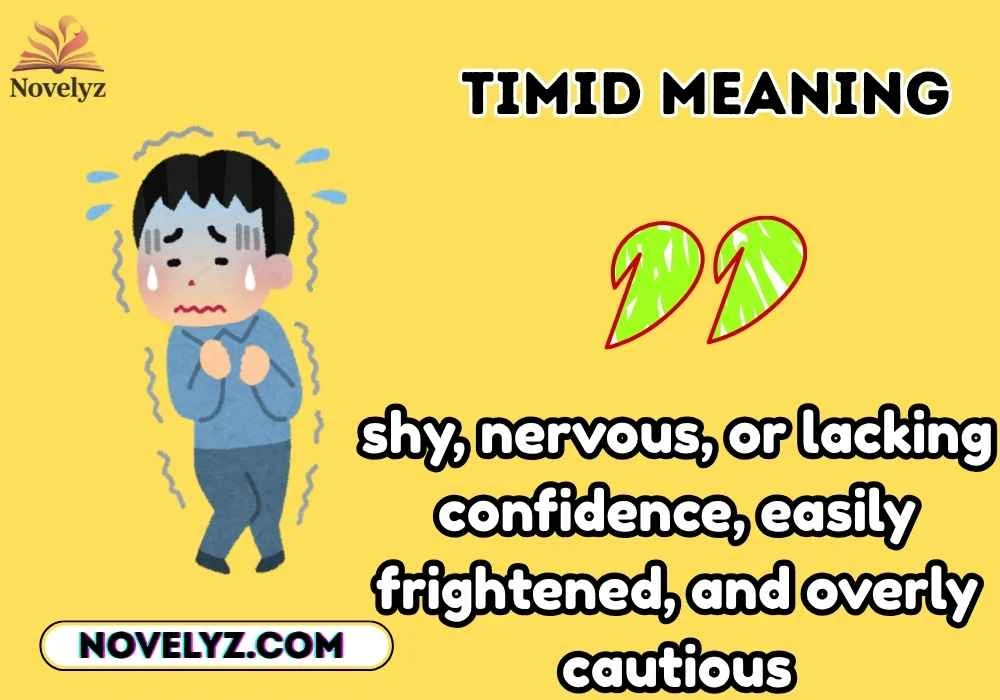
At its core, timid means shy, nervous, or lacking confidence.
In everyday texting or online conversation, when someone says a person is timid, they usually mean:
- The person is quiet or reserved
- They avoid attention or confrontation
- They seem nervous in social situations
- They don’t express themselves boldly
In slang and casual chat, timid is not an insult by default. It’s more of a behavior description.
However, tone matters. Depending on how it’s used, it can feel:
- Neutral: “She’s a bit timid in new groups.”
- Soft/empathetic: “He’s just timid, give him time.”
- Slightly negative: “Don’t be so timid, speak up.”
Where the word comes from
“Timid” originally comes from Latin timidus, meaning fearful. In internet culture, it kept its core meaning but became more casual and emotional, often used to describe personality traits in chats, gaming lobbies, and social posts.
Over time, it has shifted from formal English into everyday digital vocabulary.
How People Use “Timid” in Real Conversations
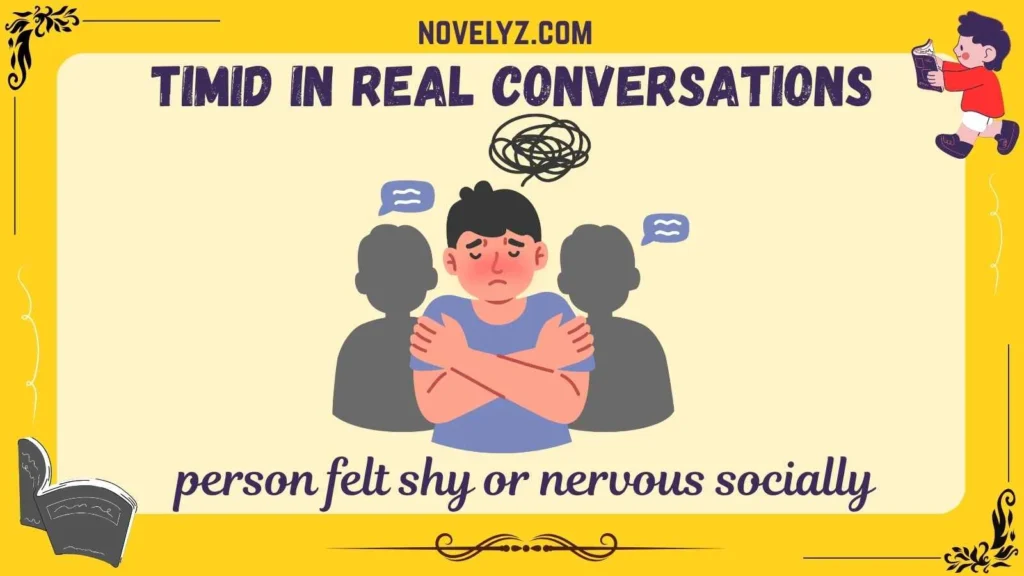
In 2026 digital communication, timid meaning slang usage appears across many platforms:
1. Texting
Used to describe personality or behavior:
- “You’re kinda timid when meeting new people.”
2. Instagram / TikTok Comments
Used when reacting to personality clips or stories:
- “Why are you so timid in this video 😂”
3. Snapchat
Often used in casual observations:
- “You looked timid today lol”
4. Discord & Gaming Chats
Used when someone is not aggressive or active:
- “Stop being timid, push the fight!”
5. Dating Apps
Can describe personality traits:
- “I like shy/timid guys honestly.”
Tone & intent variations
- Casual teasing among friends
- Observational description
- Light criticism in competitive games
- Flirty or affectionate in dating contexts
The meaning always depends on tone + relationship between speakers.
Real-Life Examples of “Timid” in Text Messages
Here’s how it actually shows up in chat:
Example 1
A: “Why didn’t you talk in the group?”
B: “I guess I was feeling a bit timid.”
Meaning: The person felt shy or nervous socially.
Example 2
“Stop being timid and just send the message.”
Meaning: Encouraging someone to be more confident.
Example 3
“He’s cute but kinda timid ngl.”
Meaning: A soft personality observation, often positive.
Example 4
“You play so timid in ranked matches.”
Meaning: In gaming, it means the player is too passive or cautious.
Example 5
“She’s not rude, just timid around new people.”
Meaning: Clarifying behavior as shyness, not attitude.
Common Mistakes & Misunderstandings
People often misread timid meaning in chat in a few ways:
1. Thinking it means weak
Timid does NOT mean weak. It means shy or reserved.
2. Confusing it with rude behavior
A timid person is often the opposite of rude—they may just be quiet.
3. Using it in the wrong tone
Calling someone “timid” jokingly can feel insulting if the person is sensitive.
4. Mixing it with slang insults
It’s not like toxic slang. It’s descriptive, not aggressive.
5. Overusing it in casual chats
Using it too much can make messages sound overly formal.
How to Respond When Someone Calls You Timid
If someone says you’re timid, your response depends on tone:
Friendly responses
- “Yeah, I’m a bit shy at first 😄”
- “True, I take time to open up”
Neutral clarification
- “I’m not timid, just observant”
Confident response
- “I’m quiet, not timid”
If you’re unsure of tone
- “What do you mean by timid?”
In most cases, it’s not an insult—it’s just observation.
Is “Timid” Still Used in 2026?
Yes, but not as trending slang.
In 2026 digital culture:
- Still common in texting and descriptions
- More used by Millennials and English learners
- Gen Z uses it, but less as slang and more as a normal adjective
- Replaced in some cases by words like “shy,” “introvert,” or even emojis/text tone
So it’s not viral slang—it’s stable everyday vocabulary.
Related Slangs & Similar Terms
If you’re learning timid meaning slang context, these related terms help:
- Shy – more casual version of timid
- Introvert – personality type, not just behavior
- Reserved – emotionally controlled or quiet
- Low-key – subtle personality expression
- Quiet type – informal way of saying not outspoken
- Socially awkward – discomfort in social situations (not the same but often confused)
These words often overlap but are not identical.
FAQs:
What does timid mean in text?
It means shy, nervous, or not confident in social situations or behavior.
Is timid a bad word?
No, it’s not bad. It’s neutral and depends on tone.
What is timid behavior?
Avoiding attention, speaking softly, or feeling nervous in social settings.
Can timid be used as slang?
Yes, but it’s more of a descriptive word than modern slang.
What is the opposite of timid?
Confident, bold, outgoing, or assertive.
Conclusion
Understanding timid meaning in chat and texting helps you read conversations more accurately and avoid misinterpretation. It simply describes someone who is shy, quiet, or cautious not someone weak or negative.
In modern digital communication, tone is everything. A word like “timid” can feel soft, friendly, or slightly critical depending on context.
Once you understand that, you’ll spot it easily across social media, gaming chats, and everyday texting.
What’s your favorite chat abbreviation or slang term? Drop it in the comments!

I am a curious writer at Novelyz who loves exploring meanings behind words, emotions, and everyday expressions. Through simple and engaging explanations, I help readers understand language in a clear, relatable way.