If you’ve ever seen someone say “I prefer the latter” and felt a bit confused, you’re not alone.
The phrase “the latter” shows up a lot in chats, comments, and even casual texting but many people aren’t 100% sure what it actually means.
In modern chat culture, where speed matters and messages are short, understanding terms like “the latter meaning” can save you from awkward misunderstandings.
Whether you’re scrolling through Instagram, chatting on Discord, or texting a friend, this phrase still pops up more often than you’d expect.
Let’s break it down in the simplest way possible.
What Does “The Latter” Mean in Chat or Text?
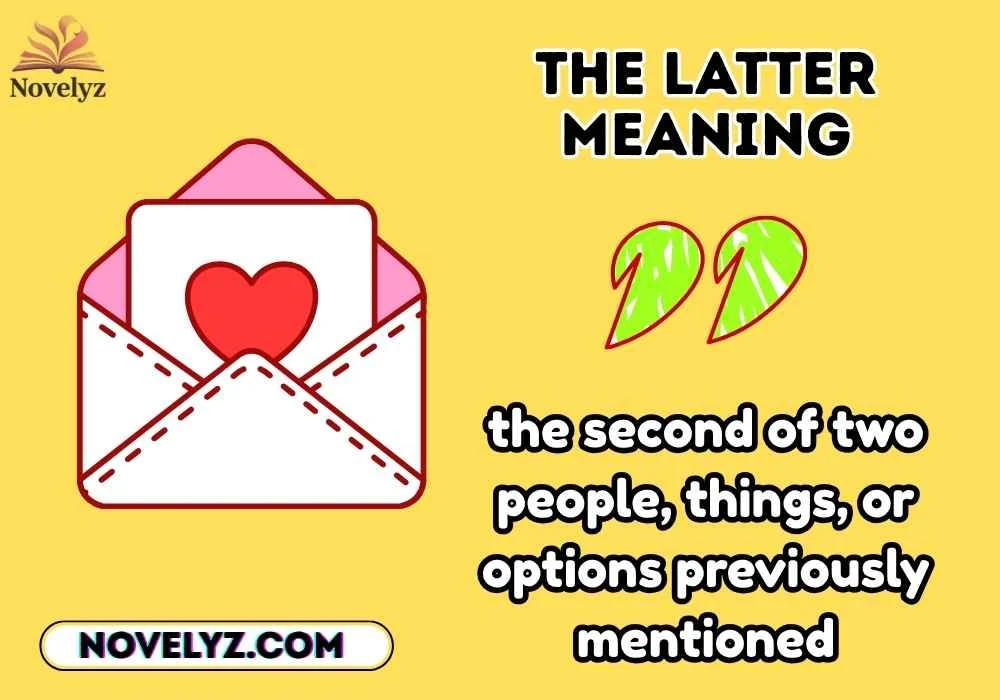
“The latter” means the second option when two things are mentioned.
That’s it. Simple.
If someone mentions two choices, ideas, or things:
- The first one = “the former”
- The second one = “the latter”
Quick Example:
“I like tea and coffee, but I prefer the latter.”
Meaning: They prefer coffee (the second option).
Where It Comes From
“The latter” isn’t actually internet slang. It’s a traditional English phrase that has been around for centuries. But it’s still used today because:
- It saves time
- It avoids repeating words
- It sounds a bit more polished or thoughtful
How It Evolved in Online Culture
In modern chat:
- It’s often used by people who type more clearly or formally
- It appears in Reddit threads, Discord debates, and longer messages
- It’s less common in super casual slang-heavy texting
How People Use “The Latter” in Real Conversations
Even though it’s not “slang,” the latter in chat still fits naturally in many online spaces.
Common Platforms:
- Text messages
- Instagram comments
- Reddit discussions
- Discord chats
- Forums and gaming communities
- Occasionally in dating apps
When It Feels Natural:
- Comparing two things
- Giving opinions
- Answering questions with choices
Example:
“Should I buy the iPhone or Samsung?”
“Honestly, I’d go with the latter.”
When It Feels Awkward:
- In very casual or meme-heavy chats
- When talking to people unfamiliar with English
- In fast-paced slang conversations
Tone & Intent
- Neutral and clear
- Slightly formal but still friendly
- Not emotional, not flirty, not sarcastic (usually)
It gives off a “calm and thoughtful” vibe rather than a trendy or playful one.
Real-Life Examples of “The Latter” in Text Messages
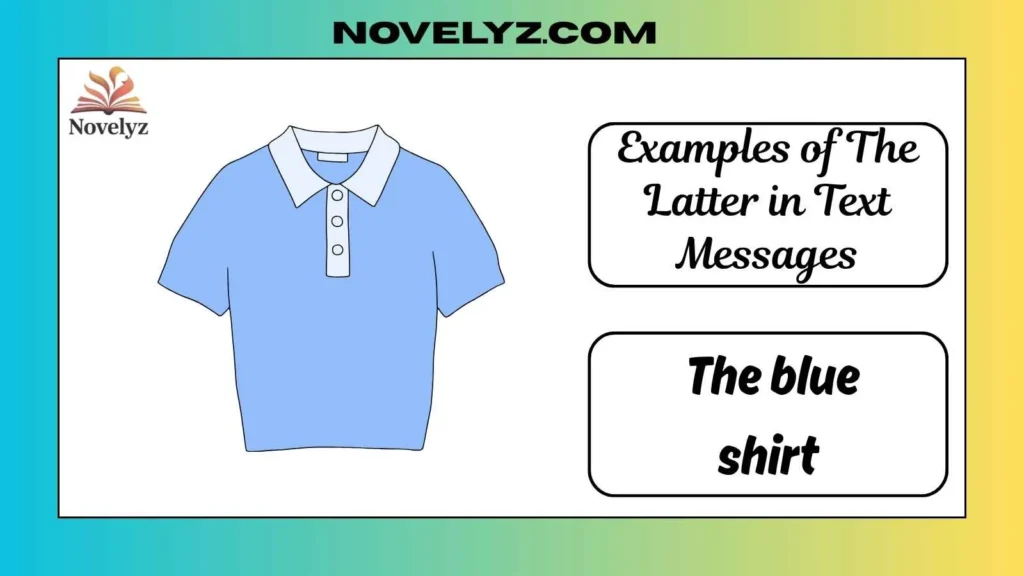
Here’s how it actually looks in real chats:
Example 1:
“I can either stay home or go out tonight. Thinking the latter.”
Meaning: They want to go out.
Example 2:
“Do you mean the red shirt or the blue one?”
“The latter.”
Meaning: The blue shirt.
Example 3:
“I’m stuck between Netflix and studying… probably the latter.”
Meaning: They’ll study (even if they don’t want to).
Example 4:
“Is it a joke or are you serious?”
“The latter.”
Meaning: They are serious.
Example 5 (Funny Context):
“Healthy diet or pizza again?”
“The latter, obviously.”
Meaning: Pizza wins again.
Common Mistakes & Misunderstandings
Even though it’s simple, people still get confused.
1. Mixing Up “Former” and “Latter”
- Former = first
- Latter = second
People often reverse them.
2. Using It Without Two Options
Wrong:
“I like the latter.”
(But no options were mentioned)
This creates confusion.
3. Sounding Too Formal in Casual Chats
Using “the latter” in slang-heavy chats can feel:
- Slightly out of place
- Overly proper
Example:
“Bro, that meme was fire or mid?”
“The latter.”
It works—but might feel a bit stiff.
4. Misunderstanding Context
If you miss the original two options, you won’t understand what “the latter” refers to.
How to Respond When Someone Sends You “The Latter”
If someone uses “the latter,” don’t overthink it.
Safe Responses:
- “Got it”
- “Makes sense”
- “Same tbh”
- “Good choice”
If You’re Confused:
Ask clearly:
- “Which one was that again?”
- “You mean the second option?”
When to Use It Back
Use it if:
- Two options are clearly mentioned
- The conversation is slightly structured
Avoid it if:
- The chat is super casual or meme-heavy
- The other person might not understand it
Is “The Latter” Still Used in 2026?
Yes—but not as slang.
Current Relevance:
- Still widely used in writing and chat
- Common in Reddit, forums, and discussions
- Less common in Gen Z slang-heavy texting
Gen Z vs Millennials:
- Millennials: Use it more naturally
- Gen Z: Understand it, but may prefer simpler replies like “the second one”
Where It’s Most Common Now:
- Online discussions
- Work chats
- Thoughtful or opinion-based conversations
It’s not trending—but it’s definitely not outdated.
Related Slangs & Abbreviations
Here are similar or commonly confused terms:
Former
Means the first option
Example: “I prefer the former” = first choice
Either / Or
Used when giving two choices
Example: “Either pizza or burgers”
IMO (In My Opinion)
Used when sharing preferences
Example: “IMO, the latter is better”
TBH (To Be Honest)
Adds honesty to a statement
Example: “TBH, I’d pick the latter”
IDK (I Don’t Know)
Used when unsure between options
Example: “IDK, both are good”
FAQs:
What does “the latter” mean in text?
It means the second option out of two things mentioned.
What is the difference between former and latter?
Former = first option. Latter = second option.
Is “the latter” slang?
No, it’s a standard English phrase, but it’s still used in chats.
Can I use “the latter” in casual texting?
Yes, but it may sound slightly formal depending on the conversation.
What should I do if I don’t understand it?
Ask for clarification or check the two options mentioned earlier.
Conclusion:
Understanding the latter meaning is simple once you know the rule: it always refers to the second option. Even though it’s not modern slang, it still shows up in chats, texts, and online conversations in 2026.
If you ever feel unsure, just look back at the two choices mentioned that’s all you need.
The more you notice it in real conversations, the more natural it will feel to use.
What’s your favorite chat abbreviation? Drop it in the comments!

I am a curious writer at Novelyz who loves exploring the true meanings behind words, phrases, and modern expressions. My goal is to explain language in a simple, clear way that feels real, relatable, and easy for everyone to understand.