If you’ve seen someone call a person a “scrooge” in a message or comment, you’re probably wondering what it actually means in modern chat.
The scrooge meaning hasn’t disappeared it’s still widely used in 2026, especially online, but the tone can change depending on context.
People search for this term because it pops up in jokes, memes, and casual conversations, yet it’s not always obvious whether it’s playful or insulting. Understanding it helps you avoid awkward replies and use it naturally in conversations.
Let’s break it down in the simplest way possible.
What Does “Scrooge” Mean in Chat or Text?
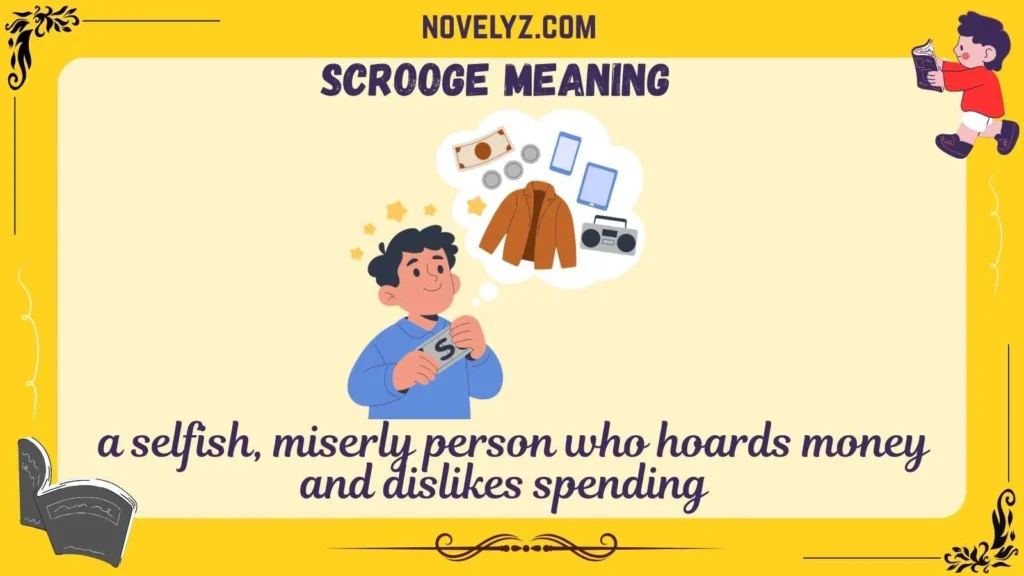
In modern chat and slang, “scrooge” means someone who is stingy, selfish with money, or unwilling to share or enjoy things—especially when they should.
Simple Definition:
Scrooge = A person who is cheap, greedy, or doesn’t like spending money or sharing
Origin (Quick Context)
The term comes from the character Ebenezer Scrooge from A Christmas Carol, who was known for being extremely miserly. Over time, his name became slang.
How the Meaning Evolved
- Original meaning: Very strict, cold-hearted, and greedy
- Modern slang meaning:
- Someone who won’t pay for things
- Someone who ruins fun by being too cheap
- Sometimes used jokingly between friends
So today, it’s often less serious and more playful, depending on tone.
How People Use “Scrooge” in Real Conversations
You’ll see “scrooge” used across many platforms:
- Text messages
- Instagram comments
- Snapchat chats
- Discord servers
- Gaming chats
- Dating apps
When It Feels Natural
People use it when someone:
- Refuses to spend money
- Avoids splitting bills fairly
- Says no to plans to save money
- Doesn’t contribute in group situations
Tone & Intent
The tone matters a lot:
- Joking: “Bro you’re such a scrooge 😂” (friendly teasing)
- Mild criticism: “Don’t be a scrooge, just join us”
- Serious: “He’s a total scrooge with money”
Real Insight
In everyday chats, it’s usually playful among friends, but with strangers or sensitive people, it can come off as rude.
Real-Life Examples of “Scrooge” in Text Messages
Here are some realistic chat-style examples:
“You didn’t chip in for pizza again… scrooge behavior 😭”
→ Meaning: You’re being cheap
“Stop being a scrooge and come out tonight”
→ Meaning: Don’t avoid spending money, join the fun
“He’s lowkey a scrooge, never pays for anything”
→ Meaning: He’s known for being stingy
“I’m not buying that, I’m not a scrooge just broke 😅”
→ Meaning: Defending yourself humorously
“Why you acting like a scrooge over $5?”
→ Meaning: You’re overreacting about a small amount
Key Takeaway:
Context decides whether it’s funny, light criticism, or an insult.
Common Mistakes & Misunderstandings
1. Thinking It’s Always Serious
Not true. Most of the time, it’s used jokingly.
2. Using It with the Wrong Audience
- Fine with friends
- Risky with coworkers or strangers
3. Confusing It with “Poor”
“Scrooge” doesn’t mean someone has no money—it means they don’t want to spend it
4. Overusing It
Calling someone a scrooge too often can make it feel like real criticism instead of a joke.
How to Respond When Someone Sends You “Scrooge”
If someone calls you a scrooge, here are safe ways to respond:
Casual/Funny Replies
- “I’m just financially responsible 😌”
- “Not a scrooge, just broke rn”
- “Saving money is a lifestyle”
Playful Comebacks
- “Someone has to be the smart one”
- “You’ll thank me later”
When to Clarify
If the tone feels serious:
- “Wait are you joking or serious?”
When Not to Use It Back
Avoid repeating it if:
- The person seemed annoyed
- You’re not close with them
Is “Scrooge” Still Used in 2026?
Yes—but in a lighter, meme-style way.
Current Usage Trends:
- Still common in casual chats
- Used more ironically now
- Popular in group chats and memes
Gen Z vs Millennials
- Gen Z: Uses it playfully or sarcastically
- Millennials: Use it more traditionally (actual criticism)
Where It’s Most Common
- Group chats
- Money-related jokes
- Holiday conversations
- Memes about being broke
It hasn’t faded—it’s just become more casual and humorous.
Related Slangs & Abbreviations
Here are similar or related terms you might see:
- Cheap – Direct version, less playful
- Tight – British slang for stingy
- Broke – No money (not the same as scrooge)
- Frugal – Positive version of saving money
- Lowkey cheap – Soft way of saying someone is stingy
- No fun – Used when someone refuses plans
These terms often appear together in conversations about money or social plans.
FAQs
What does “scrooge” mean in text?
It means someone is being stingy or unwilling to spend money, often used jokingly.
Is calling someone a scrooge rude?
It can be, depending on tone. With friends it’s usually playful, but with others it may sound insulting.
Does scrooge mean poor?
No. It means someone chooses not to spend money, not that they don’t have it.
Can I use scrooge in casual chat?
Yes, but only in relaxed or friendly conversations where humor is understood.
Is scrooge still popular slang in 2026?
Yes, especially in memes and casual chats, though it’s more lighthearted than before.
Conclusion :
Now you know the real scrooge meaning in chat it’s all about being stingy or unwilling to spend, but in most modern conversations, it’s said with a playful tone rather than serious judgment.
If you’re new to slang, don’t overthink it. Focus on the context, the relationship, and the vibe of the conversation. That’s what really determines how words like this are meant.
Once you get used to it, you’ll spot it instantly and even use it naturally yourself.
What’s your favorite chat abbreviation? Drop it in the comments!

I am a curious writer at Novelyz who loves exploring meanings behind words, emotions, and everyday expressions. Through simple and engaging explanations, I help readers understand language in a clear, relatable way.