If you’ve ever seen “IMO” in a message and felt slightly confused, you’re not alone. This small abbreviation shows up everywhere from texting and Instagram comments to gaming chats and Reddit threads.
Understanding the IMO meaning in text is important because it helps you read tone, avoid misunderstandings, and communicate more naturally online.
In today’s fast-moving digital world, slang like this isn’t just optional it’s part of how people express opinions quickly and casually.
This guide is updated for 2026 and breaks everything down in a simple, real-world way.
What Does “IMO” Mean in Chat or Text?
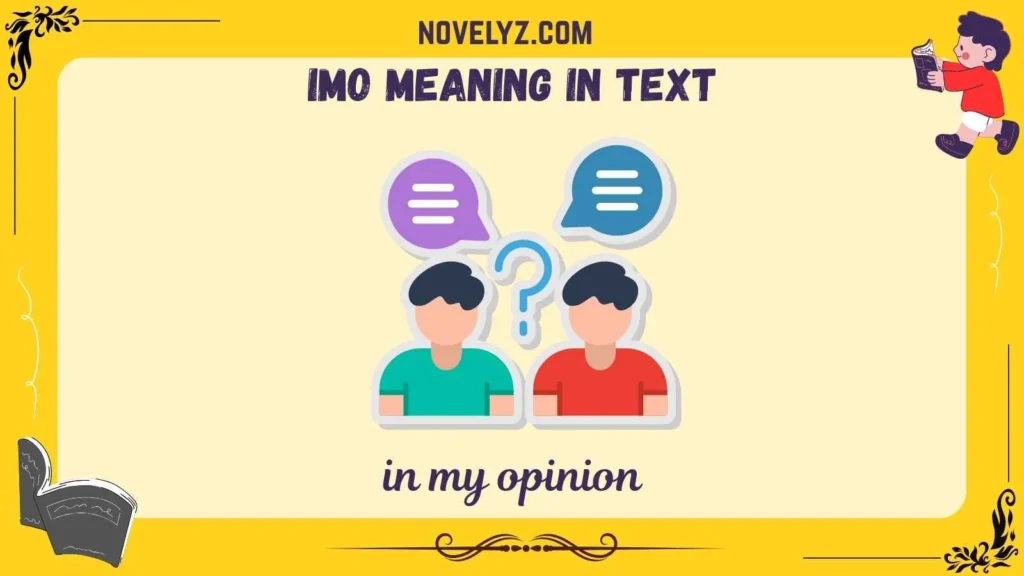
IMO stands for “In My Opinion.”
It’s used when someone wants to share their personal view without sounding too strong or aggressive.
Simple Definition:
- IMO = In My Opinion
- Used to soften statements or show something is subjective
Example:
“IMO, that movie was overrated.”
This tells you:
- It’s just their opinion
- They’re not claiming it as a fact
A Quick Origin Note
“IMO” started in early internet forums and chatrooms in the late 1990s and early 2000s. Back then, typing speed mattered, so abbreviations became common. Over time, it spread to texting, social media, and gaming—and it’s still widely used today.
How the Meaning Has Evolved
Originally:
- Neutral and polite
Now:
- Can be genuine, sarcastic, or even passive-aggressive, depending on tone
How People Use “IMO” in Real Conversations
You’ll see IMO in chat across almost every platform:
Common Places:
- Text messages
- Instagram comments
- Snapchat chats
- Discord servers
- Dating apps
- Reddit and forums
- Gaming chats
When It Feels Natural:
- Sharing opinions casually
- Giving advice
- Avoiding sounding rude
- Joining debates without being too serious
When It Feels Awkward:
- In formal emails
- Professional settings
- Talking to someone much older (depending on context)
Tone & Intent
“IMO” changes tone based on context:
- Casual:
“IMO, this song is fire” - Polite disagreement:
“IMO, I think there’s a better option” - Sarcastic:
“IMO, that was a great idea…” (means the opposite) - Flirty (sometimes):
“IMO, you look better without filters”
It’s subtle, but powerful.
Real-Life Examples of “IMO” in Text Messages
Here are some realistic chat-style examples and what they actually mean:
Message: “IMO, that game isn’t worth buying”
Meaning: They personally don’t like it, but others might
Message: “IMO you should go for it”
Meaning: Friendly encouragement without pressure
Message: “That outfit is kinda basic imo”
Meaning: Mild criticism, softened to avoid sounding harsh
Message: “imo this is the best pizza place”
Meaning: Strong opinion, but still subjective
Message: “IMO, you overreacted a bit”
Meaning: Honest feedback, but trying to stay respectful
Common Mistakes & Misunderstandings
Even though it’s simple, people still misuse or misread “IMO.”
1. Thinking It Means a Fact
Some readers ignore “IMO” and take the message as a strong statement.
2. Confusing Tone
“IMO” can sound:
- Friendly
- Passive-aggressive
- Sarcastic
Context matters a lot.
3. Using It in Formal Situations
Avoid using “IMO” in:
- Job emails
- Academic writing
- Professional communication
4. Generational Gaps
- Gen Z: Uses it casually and often
- Older users: Might find it unclear or unnecessary
5. Overusing It
Adding “IMO” to every sentence can feel unnatural:
“IMO this is good IMO you should try IMO it’s better”
That feels forced.
How to Respond When Someone Sends You “IMO”
If someone uses “IMO,” they’re sharing a personal opinion—not attacking you.
Safe Responses:
- “Yeah, I see your point”
- “That makes sense”
- “Interesting, I think differently though”
- “Fair enough”
If You Disagree:
- “I get that, but IMO it’s actually…”
- “That’s one way to see it”
When to Ask for Clarification:
- If the message feels unclear or sarcastic
- If tone matters in the conversation
When NOT to Mirror It:
If you’re talking to:
- A boss
- A teacher
- A formal client
Avoid replying with slang like “IMO”
Is “IMO” Still Used in 2026?
Yes—IMO is still very relevant in 2026.
Current Trends:
- Still widely used in texting and casual chats
- Common in Reddit, Discord, and gaming communities
- Less common in short-form video comments (TikTok prefers more expressive slang)
Gen Z vs Millennials:
- Gen Z: Uses it, but mixes with newer slang
- Millennials: Use it more consistently
Overall Status:
- Not outdated
- Not trendy—but stable and widely understood
Think of it as a classic internet abbreviation that isn’t going anywhere.
Related Slangs & Abbreviations
Here are similar terms you might see:
- IMHO – In My Humble Opinion (slightly softer than IMO)
- TBH – To Be Honest
- FYI – For Your Information
- IDK – I Don’t Know
- SMH – Shaking My Head
- NGL – Not Gonna Lie
These often appear together in casual chats and help form a natural texting style.
FAQs:
What does IMO mean in text messages?
IMO means “In My Opinion.” It’s used to share a personal view without sounding too strong or absolute.
Is IMO rude or polite?
It’s usually polite because it softens opinions, but tone and context can make it sound sarcastic.
What is the difference between IMO and IMHO?
IMO = In My Opinion
IMHO = In My Humble Opinion (more polite or softer)
Can I use IMO in professional communication?
No, it’s better to avoid slang like IMO in formal or professional settings.
Do people still use IMO in 2026?
Yes, it’s still widely used in texting, forums, and casual online conversations.
Conclusion:
Now you know exactly what IMO meaning in text is and how to use it confidently. It’s a simple way to share opinions without sounding harsh, which is why it’s stayed popular for so long.
The key is understanding tone and context. Once you get that, “IMO” becomes a natural part of your everyday digital language.
Whether you’re texting friends, chatting in a game, or commenting online you’ll now read and use it like a pro.
What’s your favorite chat abbreviation? Drop it in the comments!

I am a curious writer at Novelyz who loves exploring meanings behind words, emotions, and everyday expressions. Through simple and engaging explanations, I help readers understand language in a clear, relatable way.