If you searched for “deceitful meaning”, chances are you saw the word in a text message, social media comment, TikTok caption, gaming chat, or online argument and wanted to know what it actually means.
In modern internet culture, words like “deceitful” are often used casually, dramatically, or sarcastically depending on the situation.
Understanding the deceitful meaning in chat and slang matters because tone changes everything online.
A person might use it seriously to call someone dishonest, or jokingly among friends during gaming, dating, or meme conversations. This guide breaks it down in simple English so you can understand exactly how people use it in 2026.
What Does “Deceitful” Mean in Chat or Text?
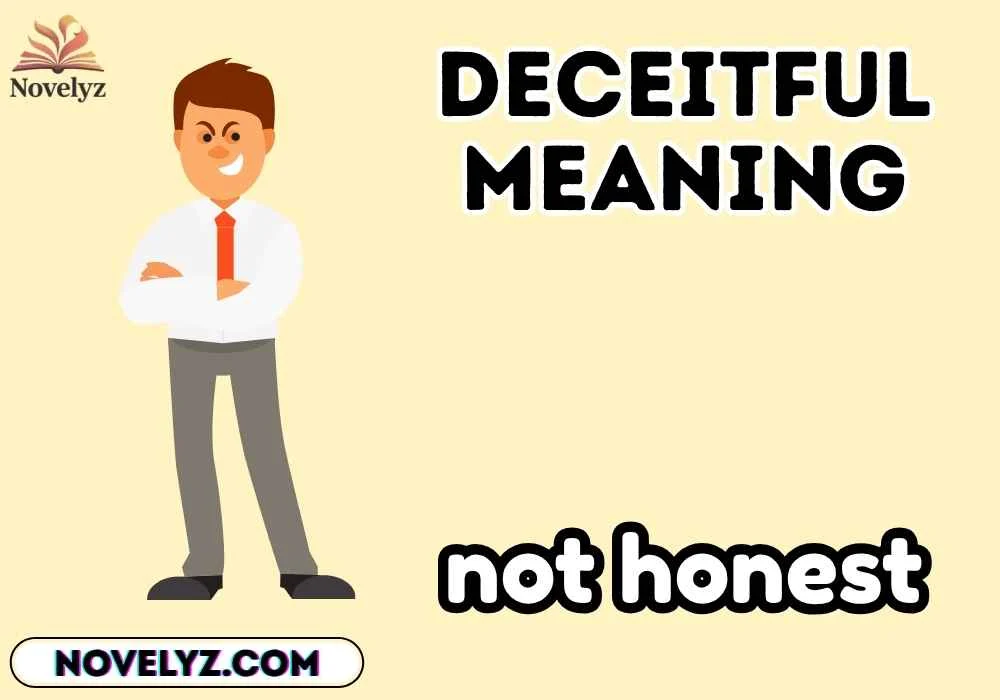
In simple terms, deceitful means dishonest, misleading, or intentionally hiding the truth.
When someone calls a person “deceitful,” they usually mean:
- The person lied
- They manipulated someone
- They acted fake
- They hid important information
- They pretended to be something they’re not
Basic Definition
Deceitful = intentionally misleading or dishonest
In online conversations, the word often carries an emotional tone. It can sound:
- Serious
- Angry
- Dramatic
- Sarcastic
- Passive-aggressive
Deceitful Meaning in Slang Culture
Unlike many internet abbreviations, “deceitful” is a regular English word that became more common online because people use it in:
- Relationship drama
- Exposing fake behavior
- TikTok storytelling
- Gaming betrayal moments
- Reddit discussions
- Discord arguments
Over time, younger users started using it more casually. Sometimes people even exaggerate with it jokingly.
Example:
“Bro stole my loot again. So deceitful.”
In this case, the speaker probably isn’t seriously accusing someone of criminal deception. They’re joking about betrayal in a game.
How People Use “Deceitful” in Real Conversations
The deceitful meaning in text changes slightly depending on where it’s used and who is saying it.
Texting
In texting, “deceitful” is usually serious.
Example:
- “I didn’t expect you to be this deceitful.”
This often points to:
- Lying
- Cheating
- Hiding something
- Breaking trust
Instagram & TikTok
On social media, people use it in:
- Relationship posts
- Storytime videos
- Callout captions
- Meme reactions
Example:
- “Men can be so deceitful sometimes.”
This type of wording is common in emotional or dramatic content.
Snapchat
On Snapchat, it may appear during:
- Arguments
- Screenshot drama
- Fake friend situations
Sometimes users use it ironically:
- “You deceitful little rat.”
That sounds harsh literally, but among close friends it can be playful.
Discord & Gaming Chats
Gamers often use “deceitful” jokingly after betrayal.
Example:
- “You switched teams? That’s deceitful behavior.”
In gaming culture, it can mean:
- Betraying teammates
- Lying during strategy games
- Trolling friends
Dating Apps
On dating apps, the word is usually more serious.
People may use it when:
- Someone lies about intentions
- A profile seems fake
- A person manipulates emotions
Example:
- “He seemed charming at first but turned out deceitful.”
When It Sounds Natural vs Awkward
Natural:
- During emotional conversations
- Relationship discussions
- Serious debates
- Storytelling posts
Awkward:
- Random casual jokes with strangers
- Overusing it in everyday chat
- Using it dramatically in small situations
Because “deceitful” sounds stronger than words like “fake” or “sus,” it can feel intense if used too casually.
Real-Life Examples of “Deceitful” in Text Messages
Here are realistic examples showing how context changes the meaning.
Example 1: Relationship Drama
Text:
“You were deceitful the entire time.”
Meaning:
The sender feels betrayed or lied to emotionally.
Example 2: Gaming Chat
Message:
“You deceitful goblin stole all the rewards.”
Meaning:
Mostly joking frustration during a game.
Example 3: Friend Group Argument
Text:
“Why were you being deceitful about the plans?”
Meaning:
Someone may have hidden information intentionally.
Example 4: TikTok Comment
Comment:
“This influencer is so deceitful.”
Meaning:
The commenter believes the creator is fake or misleading.
Example 5: Sarcastic Joke
Text:
“Wow, deceitful behavior over the last slice of pizza.”
Meaning:
Clearly playful exaggeration.
Common Mistakes & Misunderstandings
Many people misunderstand the deceitful meaning slang usage because the tone changes online.
1. Thinking It Always Means Serious Manipulation
Not always.
Sometimes people use it dramatically as a joke.
Example:
- “You deceitful snake.”
Friends may say this jokingly after harmless teasing.
2. Confusing It With “Suspicious”
“Deceitful” is stronger than “suspicious.”
- Suspicious = something seems off
- Deceitful = someone intentionally deceived others
3. Using It Too Formally
The word sounds more formal than modern slang like:
- fake
- shady
- sus
- two-faced
Using “deceitful” in relaxed chats can sometimes sound overly dramatic.
4. Generational Differences
Gen Z users often prefer:
- fake
- shady
- manipulative
- sus
Millennials and older users are slightly more likely to use “deceitful” seriously in conversations.
5. Misreading Tone Online
Tone is difficult in text.
Someone might type:
“You’re deceitful lol”
The “lol” completely changes the mood from aggressive to playful.
How to Respond When Someone Sends You “Deceitful”
Your response depends on the tone.
If They’re Serious
You can reply with:
- “What did I do wrong?”
- “Can we talk about it?”
- “I didn’t mean to mislead you.”
- “Why do you feel that way?”
If They’re Joking
Safe playful responses:
- “Caught me.”
- “My evil plan worked.”
- “I regret nothing.”
- “That’s fair honestly.”
If You’re Confused
Ask directly:
- “Wait, are you joking or serious?”
- “What do you mean by deceitful?”
Clarifying tone prevents awkward misunderstandings.
When Not to Use It Back
Avoid calling someone deceitful if:
- You barely know them
- The situation is minor
- You aren’t sure about their intentions
The word can escalate conflict quickly because it questions someone’s honesty.
Is “Deceitful” Still Used in 2026?
Yes, but usage has shifted slightly.
In 2026, the word appears more in:
- TikTok drama
- Reddit debates
- Relationship discussions
- Commentary videos
- Gaming communities
Gen Z Usage
Gen Z tends to mix serious and ironic usage.
Example:
“That was deceitful behavior ngl.”
Sometimes it’s real criticism. Other times it’s meme-style exaggeration.
Millennial Usage
Millennials usually use the word more literally and emotionally.
Is It Fading?
Not really.
But many younger users now prefer shorter slang like:
- fake
- sus
- shady
- manipulative
- two-faced
Still, “deceitful” remains common because it sounds stronger and more specific.
Related Slangs & Abbreviations
Here are similar or commonly confused terms connected to the deceitful meaning in chat.
Sus
Short for suspicious.
Popular in gaming and meme culture.
Fake
Someone acting inauthentic or pretending.
Shady
A person behaving dishonestly or strangely.
Two-Faced
Someone acting differently behind your back.
Manipulative
A stronger word describing emotional control tactics.
Catfish
Someone using a fake online identity.
Gaslighting
Manipulating someone into doubting reality or feelings.
FAQs
What does deceitful mean in text?
It usually means someone is being dishonest, misleading, fake, or hiding the truth in a conversation.
Is deceitful a bad word?
It’s not offensive, but it’s negative because it questions someone’s honesty and trustworthiness.
What does deceitful mean in slang?
In slang or internet culture, it can be serious or joking depending on context, tone, and relationship between people.
Is deceitful stronger than fake?
Yes. “Fake” is casual, while “deceitful” suggests intentional dishonesty or manipulation.
Do Gen Z people still use deceitful?
Yes, especially online during drama discussions, gaming jokes, TikTok commentary, and relationship conversations.
Conclusion :
Now you know the real deceitful meaning in text, slang, and online chat. Most of the time, the word describes someone acting dishonest, misleading, or fake. But online culture changes tone constantly, so sometimes it’s serious and other times it’s completely sarcastic.
The key is understanding the context, platform, and relationship between the people talking. Once you recognize the tone, the meaning becomes much easier to understand.
Modern internet language evolves fast, but words like “deceitful” still stay relevant because they clearly describe trust issues, betrayal, and fake behavior online.
What’s your favorite chat abbreviation? Drop it in the comments!

I am a curious writer at Novelyz who loves exploring the true meanings behind words, phrases, and modern expressions. My goal is to explain language in a simple, clear way that feels real, relatable, and easy for everyone to understand.