You’ve probably seen the word “twat” pop up in a comment, gaming chat, meme, or heated reply and thought: Wait… what does that actually mean?
You’re not alone.
People search for twat meaning because the word feels aggressive, confusing, and highly context-dependent. In modern internet culture, it can be an insult, a joke, or a very specific regional expression — and using it wrong can get awkward fast.
This guide breaks it down clearly, without judgment or fluff. By the end, you’ll know exactly what “twat” means in chat, how people really use it online, and whether it’s something you should ever say yourself.
Updated for 2026 and written for real internet users.
What Does “Twat” Mean in Chat or Text?
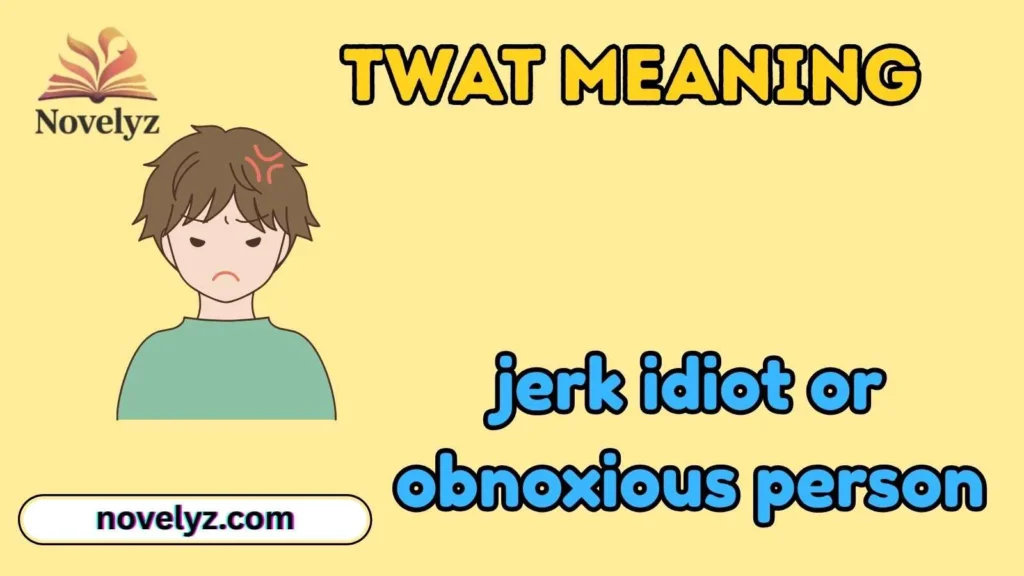
In modern slang, “twat” is usually an insult meaning an annoying, ignorant or unpleasant person.
In simple terms:
- “Twat” = jerk, idiot, or obnoxious person
- It’s almost always negative
- Tone matters more than the word itself
Important: Original vs Modern Meaning
Originally, “twat” is a British vulgar term for female genitalia. That meaning still exists, but online and in everyday chat, it’s rarely used that way anymore.
Today’s usage is:
- Person-focused, not anatomical
- Similar to calling someone a “tool” or “moron,” but sharper
Regional Differences Matter
- UK / Ireland: Very common insult, sometimes casual
- US / Canada: Stronger, more shocking, often harsher
- Online global spaces: Used mainly as an insult, often sarcastic or angry
Because of this, the same message can feel playful in one place and offensive in another.
How People Use “Twat” in Real Conversations
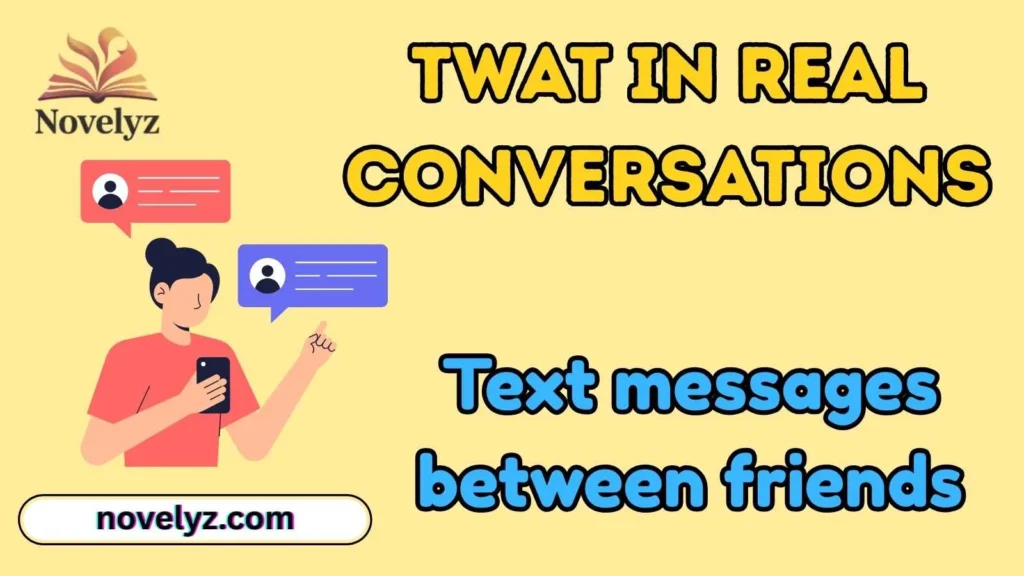
You’ll mostly see “twat” used when someone is annoyed, joking harshly, or reacting emotionally.
Common Places You’ll See It
- Text messages between friends
- Instagram or TikTok comments
- Discord servers
- Reddit arguments
- Gaming chats
- Forum replies
- Occasionally on dating apps (usually a red flag)
Typical Tone & Intent
- Sarcastic
- Angry
- Mocking
- Occasionally playful (only between very close friends)
It is not flirty. this is not neutral. It is not polite.
Most of the time, it’s used to call someone out for bad behavior.
Real-Life Examples of “Twat” in Text Messages
Here’s how it actually shows up in conversations — and what it really means each time.
“He cut everyone in line like a complete twat.”
Meaning: The speaker thinks the person is selfish and rude.
“Don’t be a twat, I was joking.”
Meaning: Light insult, meant casually, but still negative.
“That guy in the match was such a twat.”
Meaning: Angry reaction, common in gaming chats.
“You absolute twat.”
Meaning: Strong insult, often said during arguments.
“I was being a twat earlier, sorry.”
Meaning: Self-criticism, admitting rude behavior.
Context decides whether it sounds playful or aggressive — but it’s always edgy.
Common Mistakes & Misunderstandings
Many people misuse or misunderstand “twat,” especially non-native speakers.
Common Errors
- Thinking it’s mild (it’s not)
- Using it with strangers
- Using it in professional settings
- Confusing it with playful slang
Cultural Misreads
- In the UK, friends might say it jokingly
- In the US, it often sounds much more offensive
- Online, tone is hard to read — emojis don’t always save it
Using it casually without understanding the tone can make you sound aggressive or rude unintentionally.
How to Respond When Someone Sends You “Twat”
Your response depends on tone and relationship.
Safe Responses for Beginners
- Ignore it
- Change the topic
- Respond calmly: “What’s your problem?”
If It’s Clearly a JokeIf It’s Clearly a Joke
- “Alright, fair”
- “Yeah, I deserved that”
If You’re Unsure
- Ask for clarification
- Don’t repeat the word back immediately
When NOT to Use It Back
- At work
- With strangers
- In public comments
- When emotions are already heated
If you’re unsure, don’t mirror the language.
Is “Twat” Still Used in 2026?
Yes — but where and how matters more than ever.
Current Usage Trends
- Gen Z: Less common, seen as aggressive or “try-hard”
- Millennials: Still used, especially in gaming or sarcasm
- UK online spaces: Still very active
- Professional platforms: Avoided completely
It hasn’t disappeared, but it’s not trendy slang — it’s more of a blunt, old-school insult that survives in specific spaces.
Related Slangs & Abbreviations
These terms often appear in the same situations or get confused with “twat”:
- Idiot – Neutral insult, safer
- Jerk – Milder and more acceptable
- Tool – Sarcastic insult
- Moron – Direct but less vulgar
- Clown – Internet-friendly insult
- Try-hard – Gen Z-style alternative
If you want to sound modern without crossing lines, these are safer choices.
FAQs:
Is “twat” a swear word?
Yes. It’s considered vulgar and offensive in most contexts.
Does “twat” always mean something sexual?
No. In modern slang, it almost always refers to a person’s behavior.
Is it okay to say “twat” jokingly?
Only with close friends who understand your tone.
Is “twat” worse than “idiot”?
Yes. It’s stronger and more offensive.
Should non-native English speakers use it?
Generally, no. It’s easy to misuse and offend people unintentionally.
Final Thoughts:
Here’s the simple takeaway:
- You should understand it
- You don’t need to use it
- Context is everything
- When in doubt, skip it
Knowing the twat meaning helps you avoid awkward moments, read tone correctly, and navigate online conversations with confidence.
What slang word confused you recently? Drop it in the comments — let’s decode it together.

I am a curious writer at Novelyz who loves exploring the true meanings behind words, phrases, and modern expressions. My goal is to explain language in a simple, clear way that feels real, relatable, and easy for everyone to understand.