If you’ve seen the term “tramp stamp” online, in comments, or casually dropped in conversation and thought, “Wait… what does that actually mean?” you’re not alone.
People search for tramp stamp meaning because the phrase pops up everywhere: TikTok captions, Reddit threads, dating app bios, memes, and even nostalgic Millennial jokes. But the meaning isn’t always explained clearly, and the cultural context matters a lot.
This guide breaks it down in plain English. No judgment. No dictionary fluff. Just real-world understanding of what “tramp stamp” means, how people actually use it, and why the term is more complicated in 2026 than it used to be.
What Does “Tramp Stamp” Mean in Chat or Text?
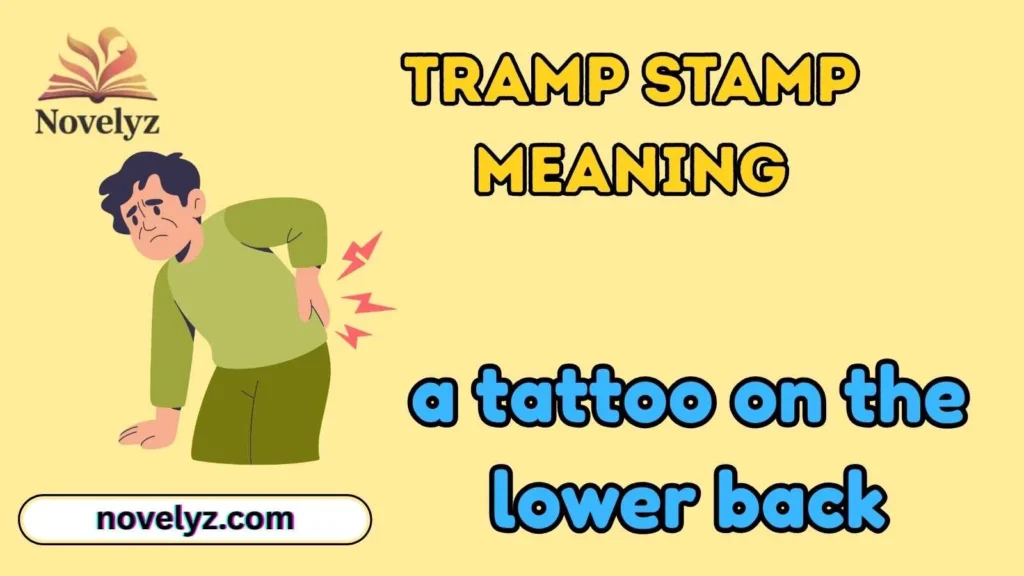
A “tramp stamp” is slang for a lower-back tattoo, typically centered just above the hips.
That’s the literal meaning. But culturally, the phrase carries attitude, judgment, and history, not just a description of tattoo placement.
The core idea
- Refers to tattoos on the lower back
- Most commonly associated with women
- Often used mockingly or jokingly, not neutrally
Why it’s called that
The term became popular in the late 1990s and early 2000s. At the time:
- Lower-back tattoos were trendy
- Pop culture and tabloids sexualized them heavily
- The phrase “tramp stamp” was used to shame or stereotype women who had them
Over time, the meaning evolved:
- Millennials often use it ironically or self-deprecatingly
- Gen Z is more likely to criticize the term itself rather than the tattoo
So when you see “tramp stamp meaning slang” explained online, it’s not just about ink — it’s about how language reflects social attitudes.
How People Use “Tramp Stamp” in Real Conversations
You’ll mostly see “tramp stamp” used in casual, online, or joking contexts, not formal ones.
Common platforms
- Text messages
- Instagram captions or comments
- TikTok storytimes
- Reddit threads
- Dating apps (often humorously)
- Old-school forum or meme culture
Typical tone
- Joking
- Ironic
- Self-aware
- Sometimes judgmental (depending on who’s saying it)
When it feels natural
- Talking about early 2000s fashion or trends
- Someone referring to their own tattoo
- Meme-style nostalgia posts
When it feels awkward or offensive
- Describing someone else’s body
- Using it seriously or critically
- Saying it to strangers without context
Personal insight: In real chat culture, people who actually have lower-back tattoos are more likely to joke about it themselves. Outsiders using the term seriously can come off as rude or outdated.
Real-Life Examples of “Tramp Stamp” in Text Messages
Here’s how the term actually shows up in messages — and what people mean.
“I was 19, it was 2006, and yes… I got a tramp stamp.”
Meaning: Self-deprecating humor. The sender is owning it.
“Why does every early-2000s movie roast tramp stamps?”
Meaning: Cultural commentary, not literal insult.
“She called it a tramp stamp but honestly the tattoo is cute.”
Meaning: Acknowledging the slang while softening the judgment.
“That Y2K revival includes low-rise jeans and tramp stamps apparently.”
Meaning: Trend discussion, ironic tone.
Context is everything. The same phrase can be playful or offensive depending on who says it and why.
Common Mistakes & Misunderstandings
A lot of confusion around tramp stamp meaning in chat comes from outdated assumptions.
Common mistakes
- Thinking it’s a neutral tattoo term (it’s not)
- Using it to describe strangers
- Assuming Gen Z uses it casually (many don’t)
- Confusing slang usage with medical or tattoo terminology
Generational gap
- Millennials: Often ironic, nostalgic, or self-aware
- Gen Z: More likely to avoid or critique the term due to its sexist roots
Misreading the tone can easily turn a joke into an awkward moment.
How to Respond When Someone Sends You “Tramp Stamp”
If someone uses the term around you and you’re unsure how to react, keep it simple.
Safe responses
- “Yeah, that was such a 2000s thing.”
- “The tattoo itself isn’t bad though.”
- “People are reclaiming those now.”
When to ask for clarification
- If you’re unsure whether they’re joking
- If it feels uncomfortable or insulting
When not to use it back
- If you don’t know the person well
- In professional or mixed-age spaces
- If the conversation isn’t clearly humorous
You don’t need to mirror slang to fit in. Neutral replies are always acceptable.
Is “Tramp Stamp” Still Used in 2026?
Yes — but very differently than before.
Current relevance
- Still recognized by most English speakers
- Used mainly in:
- Nostalgia content
- Meme culture
- Self-referential jokes
Cultural shift
- The term is increasingly seen as outdated or problematic
- Many people now say:
- “Lower-back tattoo”
- “Y2K tattoo”
- “2000s-era tattoo”
So while the phrase hasn’t disappeared, its social acceptability has changed.
Related Slangs & Commonly Confused Terms
If you’re learning modern slang, these often come up nearby:
- Lower-back tattoo – Neutral, descriptive term
- Y2K aesthetic – Early 2000s fashion and culture
- Pick-me – A separate insult sometimes wrongly linked
- Body shaming – The broader issue behind the term
- Reclaiming slang – Using old insults ironically or proudly
Understanding these helps you read tone correctly across platforms.
FAQs:
Is “tramp stamp” an insult?
It can be. Historically, yes. Today, it depends on tone and who’s saying it.
Can men have tramp stamps?
Yes, but the term is overwhelmingly gendered and rarely used for men.
Is it offensive to say in 2026?
Many people consider it outdated or sexist. Use cautiously.
What’s a better alternative term?
“Lower-back tattoo” is neutral and widely accepted.
Why do people still joke about it?
Mostly nostalgia. It’s tied to early 2000s pop culture and fashion.
Final Thoughts:
The tramp stamp meaning isn’t just about a tattoo. It’s about how language, culture, and attitudes evolve online.
If you see the term:
- Read the tone
- Check who’s using it
- Don’t assume it’s harmless
And if you’re ever unsure, choosing neutral language is always the safest move.
What’s your favorite internet slang term you’ve heard but never fully understood? Drop it in the comments — chances are, you’re not the only one.

I am a curious writer at Novelyz who loves exploring meanings behind words, emotions, and everyday expressions. Through simple and engaging explanations, I help readers understand language in a clear, relatable way.