If you’ve seen the word “skank” in a message, comment, or meme and felt unsure how to react, you’re not alone.
The term pops up in different places online, and its meaning can shift depending on tone, context, and who’s saying it.
In modern chat culture, especially across TikTok, Instagram, and gaming spaces, slang evolves fast.
Understanding what “skank” means in text helps you avoid awkward replies, misreading someone’s intent, or accidentally offending someone.
This guide breaks it all down in plain English. No dictionary confusion. Just real-world usage, updated for how people actually talk online in 2026.
What Does “Skank” Mean in Chat or Text?
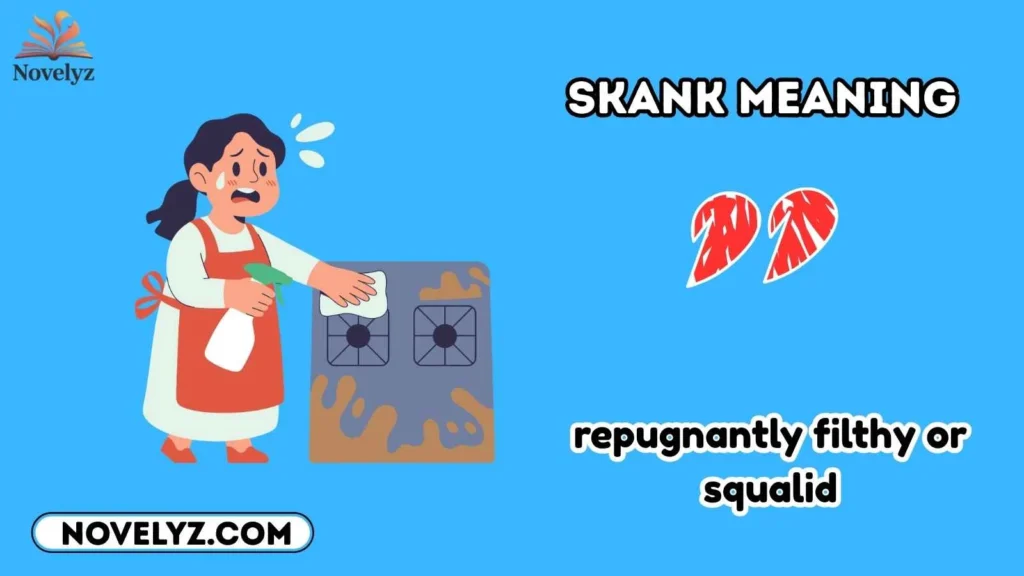
“Skank” is a slang term that is usually negative and insulting.
In most cases, it refers to someone (often a woman) in a disrespectful or judgmental way, implying they are:
- Promiscuous
- Untrustworthy in relationships
- Acting in a way others see as “low-class”
However, context matters a lot.
Key meanings based on context:
- Insult (most common):
Used to criticize or shame someone’s behavior or appearance - Joking between friends (rare):
Sometimes used playfully, but only in very close circles where tone is clearly understood - Pop culture / music reference:
The word also appears in older music scenes (like ska punk), but that’s less common in texting today
How the meaning has evolved
Originally, “skank” had different meanings in music and dance culture. Over time, especially online, it became more of a harsh slang insult.
In 2026, it’s generally seen as outdated, risky, and offensive, especially in public or mixed audiences.
How People Use “Skank” in Real Conversations
You might see “skank” used across:
- Text messages
- Instagram comments
- Snapchat chats
- Discord servers
- Dating apps
- Reddit threads and gaming chats
When it feels natural vs awkward
Feels natural (but still risky):
- Among close friends joking (and even then, not always safe)
- In heated arguments or drama (common online, but toxic)
Feels awkward or inappropriate:
- Professional or public conversations
- Messaging someone you don’t know well
- Mixed-gender or diverse groups
- Dating apps (huge red flag)
Tone and intent
“Skank” almost always carries a negative tone, such as:
- Angry
- Judgmental
- Jealous
- Mocking
Even if someone thinks they’re joking, it can easily be taken the wrong way.
Real-Life Examples of “Skank” in Text Messages
Here are some realistic examples with explanations:
1.
“Did you see what she posted? Total skank behavior.”
→ The sender is judging someone’s actions harshly.
2.
“He called his ex a skank… kinda toxic tbh.”
→ Reporting someone else’s insult; shows disapproval.
3.
“Girl stop acting like a skank lol”
→ Attempt at joking, but still risky and can feel offensive.
4.
“That comment section is wild, people calling her a skank for no reason.”
→ Observing online bullying or drama.
What these really mean
The word is rarely neutral. It usually signals:
- Criticism
- Drama
- Toxic or emotional reactions
Common Mistakes & Misunderstandings
1. Thinking it’s harmless slang
It’s not like “lol” or “bruh.”
“Skank” is loaded and offensive in many contexts.
2. Using it jokingly with the wrong person
What feels like a joke to you can feel like a personal attack to someone else.
3. Cultural and generational gaps
- Older users may find it extremely offensive
- Younger users may still see it as harsh, not playful
4. Confusing it with neutral slang
It’s not interchangeable with casual terms like:
- “wild”
- “chaotic”
- “messy”
Using it wrongly can quickly escalate a conversation.
How to Respond When Someone Sends You “Skank”
If someone uses this word in a chat, your response depends on the situation.
Safe response options
- “That’s kinda harsh.”
- “Let’s not go there.”
- “Why do you think that?”
If you feel uncomfortable
- Ignore it
- Change the topic
- Set a boundary: “I’m not cool with that word”
If you’re confused
- Ask: “Wait, what do you mean by that?”
When NOT to use it back
Avoid repeating it unless:
- You fully understand the tone
- You trust the person
- You’re sure it won’t escalate things
Is “Skank” Still Used in 2026?
Yes, but its usage is changing.
Current trends:
- Less common in positive or casual slang
- More associated with:
- Online drama
- Toxic comments
- Arguments
Gen Z vs Millennials
- Gen Z: More aware of tone and social impact; uses it less casually
- Millennials: May still use it, but often recognize it as harsh
Where it shows up most now
- Comment sections during drama
- Reality TV discussions
- Heated social media threads
Overall, it’s not trending upward. It’s slowly becoming a word people avoid in normal conversation.
Related Slangs & Abbreviations
Here are some terms often confused or used in similar contexts:
- “Thirsty” – Someone seeking attention or validation
- “Pick me” – Someone acting a certain way to gain approval
- “Toxic” – Describing harmful behavior
- “Messy” – Dramatic or chaotic actions
- “Clout chaser” – Someone doing things for attention or fame
These are generally safer and more widely accepted alternatives depending on context.
FAQs:
What does “skank” mean in text?
It usually means an insulting term aimed at someone, often criticizing their behavior or character.
Is “skank” a bad word?
Yes. It’s considered offensive in most situations and can come across as disrespectful.
Can “skank” ever be used jokingly?
Sometimes among close friends, but it’s risky and easy to misinterpret.
Why do people still use “skank”?
Mostly in arguments, drama, or emotionally charged conversations—not casual chat.
What should I say instead of “skank”?
Use softer, neutral terms like “messy,” “toxic,” or just describe the behavior without labeling the person.
Conclusion:
Understanding the meaning of “skank” in chat helps you avoid confusion and unnecessary conflict. It’s a word with strong negative energy, and in most cases, it’s better to skip it entirely.
Modern slang is all about clarity, tone, and respect. When in doubt, choose words that won’t be misunderstood.
If you’re learning internet slang, you’re already ahead of most people. Keep going, and it’ll start to feel natural fast.
What’s your favorite chat abbreviation? Drop it in the comments!

I am a curious writer at Novelyz who loves exploring the true meanings behind words, phrases, and modern expressions. My goal is to explain language in a simple, clear way that feels real, relatable, and easy for everyone to understand.