If you’ve ever seen the word “seinen” while browsing anime, manga, Reddit threads, or TikTok comments and thought, “Okay… but what does that actually mean?” — you’re not alone.
People search for seinen meaning because it gets used everywhere, but rarely explained clearly. Is it a genre? An age rating? A vibe? A flex? Sometimes all of the above.
Understanding what seinen means helps you:
- Pick anime or manga you’ll actually enjoy
- Avoid awkward misunderstandings online
- Sound like you know what you’re talking about in fandom spaces
This guide breaks it all down in simple English, with real examples and modern context. Updated for 2026, and written for actual humans, not encyclopedias.
What Does “Seinen” Mean in Chat or Text?
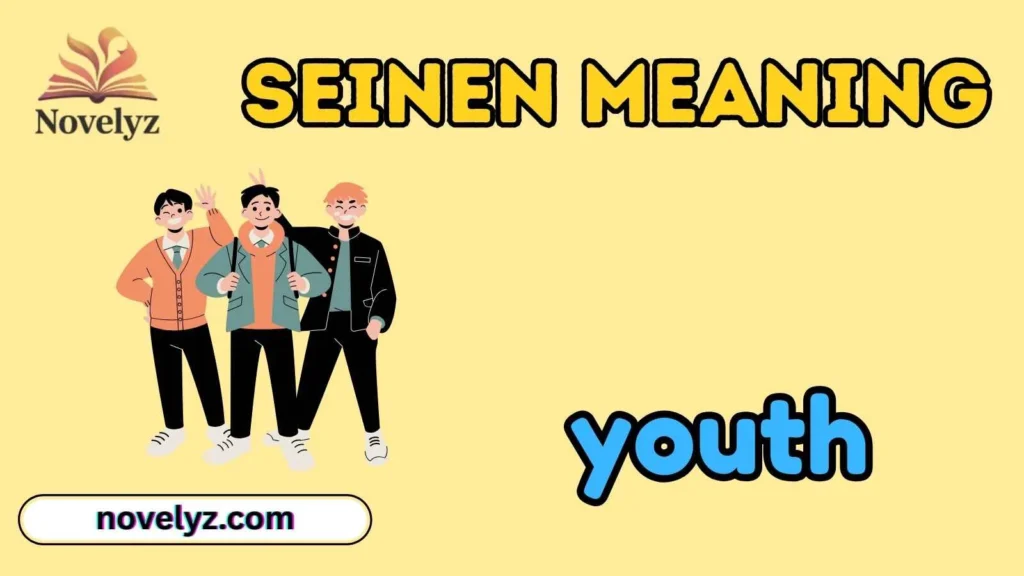
Seinen (青年) is a Japanese term that literally means “young man.”
In anime and manga culture, seinen refers to content made for adult men, usually ages 18–40+.
But here’s the important part:
Seinen is not a genre. It’s a target audience.
In simple terms:
- Shonen → Teen boys
- Shojo → Teen girls
- Seinen → Adult men
- Josei → Adult women
When someone says something is seinen, they usually mean:
- More mature themes
- Slower pacing
- Psychological depth
- Moral ambiguity
- Less “power of friendship,” more realism
Over time, the word has moved beyond strict publishing categories and become internet shorthand for “grown, serious anime/manga.”
How People Use “Seinen” in Real Conversations

Today, seinen shows up way beyond manga stores.
You’ll see it in:
- Text messages between anime fans
- Reddit and Discord debates
- TikTok anime reviews
- Instagram reels and comments
- Gaming and forum discussions
Common ways people use it:
- To signal taste level
- To recommend content
- To contrast with shonen anime
- To explain tone or maturity
When it feels natural:
- Talking about anime or manga
- Comparing story depth
- Explaining why something feels “adult”
When it feels awkward:
- Using it with people who don’t watch anime
- Treating it like a personality trait
- Using it as a synonym for “dark” only
Personal insight: in fandom spaces, calling something seinen often quietly means “this isn’t for kids, and that’s the point.”
Real-Life Examples of “Seinen” in Text Messages

Example 1
“I used to love Naruto, but now I’m more into seinen stuff.”
What they mean:
They’ve grown out of teen-focused anime and prefer more mature stories.
Example 2
“That anime looks cute, but it’s actually seinen.”
Meaning:
Don’t be fooled by the art style — the themes are heavy or serious.
Example 3
“If you liked Attack on Titan, try more seinen manga.”
Meaning:
They’re recommending content with similar depth, violence, or complexity.
Example 4
“This feels too shonen for me. I want something seinen.”
Meaning:
They want realism over hype, and nuance over flashy fights.
Common Mistakes & Misunderstandings
1. Thinking seinen means “extreme violence”
Not true. Some seinen is quiet, emotional, or philosophical.
2. Assuming it’s always dark or depressing
Many seinen stories are calm, reflective, or slice-of-life.
3. Confusing “seinen” with a genre
It’s a demographic label, not a story type.
4. Using it outside anime/manga contexts
Saying “this movie is so seinen” to non-fans usually causes confusion.
5. Assuming only men can enjoy it
Plenty of women read and watch seinen. It’s about themes, not permission.
How to Respond When Someone Says “Seinen”
If someone brings up seinen and you’re not sure what to say, here are safe responses:
- “Yeah, I like more mature stories too.”
- “Any good seinen recommendations?”
- “Is it more psychological or action-focused?”
If you’re unsure what they mean:
- “Do you mean more serious anime?”
When not to use it back:
- If the conversation isn’t about anime or manga
- If you’re guessing and don’t want to sound off
Is “Seinen” Still Used in 2026?
Yes — and it’s actually more relevant than ever.
Current trends:
- Gen Z uses it casually but correctly
- Millennials use it more technically
- TikTok anime creators mention it often
- Manga sales still use official seinen labels
What’s changed:
- It’s less gatekeepy
- More inclusive
- Used as a vibe descriptor, not a flex
Seinen isn’t fading. It’s normalized.
Related Slangs & Abbreviations You’ll See
- Shonen – Anime/manga for teen boys
- Shojo – Content aimed at teen girls
- Josei – Mature stories for adult women
- Slice of Life – Everyday, realistic storytelling
- Psychological – Focused on mental and emotional themes
- Dark fantasy – Often overlaps with seinen but not always
These terms often appear together and help explain tone quickly.
FAQs:
Is seinen the same as mature or R-rated?
No. Seinen can be mature without being explicit or violent.
Can teenagers watch or read seinen?
Yes. It’s a target audience, not a restriction.
Is Attack on Titan seinen or shonen?
Officially shonen, but its themes feel very seinen, which is why people debate it.
Does seinen mean realistic?
Often, but not always. It usually means more grounded storytelling.
Is seinen anime better than shonen?
Not better — just different. It depends on what you enjoy.
Final Thoughts:
If you remember one thing, remember this:
Seinen means anime or manga made for adults, with mature themes and deeper storytelling.
It’s not about being edgy or superior. It’s about tone, complexity, and audience.
If you’ve ever felt lost reading anime comments or recommendations, now you’re officially in the loop.
What’s your favorite anime or manga category right now? Drop it in the comments.

I am a curious writer at Novelyz who loves exploring the true meanings behind words, phrases, and modern expressions. My goal is to explain language in a simple, clear way that feels real, relatable, and easy for everyone to understand.