Ever saw someone describe themselves as a “polyglot” on Instagram, a dating app, or LinkedIn and thought… what exactly does that mean?
You’re not alone.
The term polyglot pops up in bios, language-learning TikToks, gaming communities, and even meme culture. Some people use it seriously. Others use it flex-style. And sometimes it’s just misunderstood.
If you’re searching for polyglot meaning, or wondering what does “polyglot” mean in text, this guide breaks it down in simple, real-world language — updated for 2026 and modern online culture.
What Does “Polyglot” Mean in Chat or Text?
In simple terms:
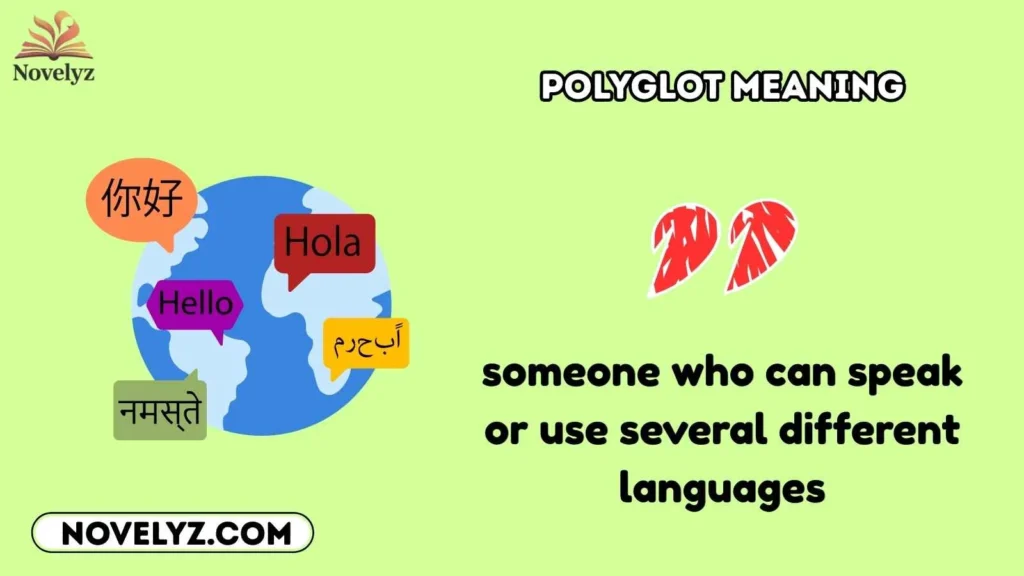
A polyglot is someone who can speak multiple languages fluently.
That’s it.
The word comes from Greek:
- “Poly” = many
- “Glot” = tongue/language
So literally, many languages.
Polyglot vs Bilingual vs Multilingual
People often mix these up:
- Bilingual → speaks 2 languages
- Multilingual → speaks more than 2
- Polyglot → usually 3+ languages, often fluently
In online culture, though, polyglot has a slightly elevated vibe. It sounds more impressive than just “multilingual.”
How the Meaning Evolved Online
Traditionally, “polyglot” was used in academic or linguistic spaces.
But around the rise of:
- YouTube language influencers
- TikTok language-switching videos
- Global gaming communities
- International dating apps
The term became more visible.
Now, “polyglot” is often used as:
- A bio flex
- A language-learning identity
- A personality trait
- A branding tool
It’s not slang in the meme sense — but it definitely has modern internet energy attached to it.
How People Use “Polyglot” in Real Conversations

Here’s where it shows up most:
1. Instagram & TikTok Bios
Example:
🇺🇸🇫🇷🇯🇵 Polyglot | Traveler | Coffee addict
Here, it’s a flex. It signals global identity.
2. Dating Apps
Example:
Polyglot who will flirt with you in 4 languages
This makes the person sound interesting, cultured, and intelligent.
3. Discord & Gaming Chats
In international servers, someone might say:
Don’t worry, I’m a polyglot. I’ll translate.
This signals helpfulness and capability.
4. LinkedIn & Professional Spaces
Used more formally:
Polyglot with experience in cross-cultural communication.
Here, it boosts credibility.
When It Feels Natural vs Awkward
Natural:
- When describing real language ability
- In international communities
- In travel or education contexts
Awkward:
- If you only speak beginner-level phrases
- If used just to sound impressive
- When over-explained
Online culture values authenticity. If someone says they’re a polyglot but can barely hold a conversation, it can feel try-hard.
Real-Life Examples of “Polyglot” in Text Messages
Let’s break down real chat-style examples.
Example 1
Friend:
Bro how did you understand that Spanish meme?
Reply:
I’m basically a polyglot at this point.
Meaning: They speak Spanish (and maybe other languages) and are half-joking, half-flexing.
Example 2
Dating app chat:
You speak French too? Wait, are you a polyglot?
Meaning: The person is impressed.
Example 3
Gaming server:
We need a polyglot here, nobody understands this guy.
Meaning: Someone who can translate between players.
Example 4 (Sarcastic)
I said “hola” once, guess I’m a polyglot now.
Meaning: Mocking people who exaggerate their language skills.
Context changes tone completely. It can be serious, playful, sarcastic, or impressive.
Common Mistakes & Misunderstandings
1. Thinking It’s Slang for “Smart”
It’s not about intelligence.
It’s specifically about language ability.
2. Confusing It with “ASL” or Other Abbreviations
Unlike quick chat terms like:
- American Sign Language
Polyglot isn’t an abbreviation. It’s a full word with historical roots.
3. Overusing It
Calling yourself a polyglot after learning basic Duolingo phrases? Risky.
Internet culture spots exaggeration fast.
4. Generational Misunderstanding
Older generations see it as academic.
Gen Z may see it as:
- A personality label
- A brand identity
- A global flex
Same word, slightly different vibe.
How to Respond When Someone Sends You “Polyglot”
If someone says they’re a polyglot, here are safe replies:
Curious Response
That’s cool. Which languages do you speak?
Playful Response
Oh wow, impress me then.
Neutral Response
Nice, that’s a great skill.
If You’re Confused
What languages do you speak?
Totally okay to ask. It’s not rude.
When Not to Use It Back
Don’t call yourself a polyglot unless:
- You can comfortably hold conversations in multiple languages
- You’re not exaggerating
Authenticity always wins online.
Is “Polyglot” Still Used in 2026?
Yes — and it’s actually more relevant now.
Here’s why:
- Remote work is global
- Gaming servers are international
- Content creators collaborate across countries
- Language learning is trending again
Gen Z uses it more casually in bios.
Millennials use it more professionally.
It hasn’t faded. It’s just become normalized in global internet culture.
You’ll see it most on:
- TikTok
- Discord
- Language-learning YouTube
Related Slangs & Abbreviations
Here are terms people often search alongside polyglot meaning slang:
Multilingual
Speaks multiple languages. More neutral tone.
Bilingual
Speaks two languages.
Linguaphile
Someone who loves learning languages.
Code-switching
Switching between languages depending on context.
Cultural fluency
Understanding more than just vocabulary — includes behavior and tone.
These terms often appear in the same bios and discussions.
FAQs:
Is polyglot a slang word?
No. It’s a real word with historical roots, but it’s widely used in modern internet culture.
What does “polyglot” mean in text?
It means the person speaks multiple languages fluently.
How many languages make someone a polyglot?
There’s no strict rule, but usually three or more with real conversational ability.
Can beginners call themselves polyglots?
Not really. The word implies strong fluency, not beginner level.
Is polyglot still popular in 2026?
Yes. Especially in bios, global communities, and language-learning spaces.
Final Thoughts:
The polyglot meaning is simple: someone who speaks multiple languages.
But online, it carries more weight. It signals culture, intelligence, travel, global awareness, and sometimes even status.
If you see it in someone’s bio, they’re highlighting their language skills.
If you’re thinking about using it yourself, just make sure it reflects your real ability.
Modern internet culture values real over exaggerated.

I am a curious writer at Novelyz who loves exploring meanings behind words, emotions, and everyday expressions. Through simple and engaging explanations, I help readers understand language in a clear, relatable way.