You saw someone type “para” in a chat, caption, or comment—and now you’re confused. You’re not alone.
The para meaning depends heavily on context, platform, and even culture. That’s exactly why people keep searching for it.
In modern internet language, one word can mean very different things based on who is saying it and where it’s being used.
In this guide (updated for 2026), I’ll break down what para means in text, slang, and online conversations using real examples, not dictionary fluff. By the end, you’ll understand it clearly and know when (and when not) to use it yourself.
What Does “Para” Mean in Chat or Text?
In modern chat and internet slang, “para” most commonly means suspicious, anxious, or suspicious.
It’s a shortened, casual form of “suspicious.”
Simple definition:
Para = feeling uneasy, overthinking, or suspecting something is off
How the meaning changes by context
- Slang / chat: Suspicious or overthinking
- Mental state: Nervous, jumpy, or anxious
- Joking tone: Light paranoia, not serious
- Serious tone: Genuine anxiety or distrust
Where it came from
“Para” has been used as shorthand for suspicious for decades, but it became mainstream online through:
- Gaming chats
- UK & Australian slang communities
- Discord and Reddit
- TikTok captions and comments
Over time, it softened. In 2026, it’s usually casual or humorous, not clinical.
How People Use “Para” in Real Conversations
You’ll mostly see para in informal spaces, never in professional writing.
Common platforms
- Text messages
- Instagram comments & DMs
- Snapchat chats
- Discord servers
- Gaming voice/text chats
- Reddit threads
Typical tones
- Casual: “Am I being para?”
- Joking: “You’re so para lol”
- Defensive: “I’m not para, that was weird”
- Flirty (rare): Light teasing about jealousy
When it feels natural
- Talking about suspicion or overthinking
- Calling out unnecessary worry
- Self-aware jokes about anxiety
When it feels awkward
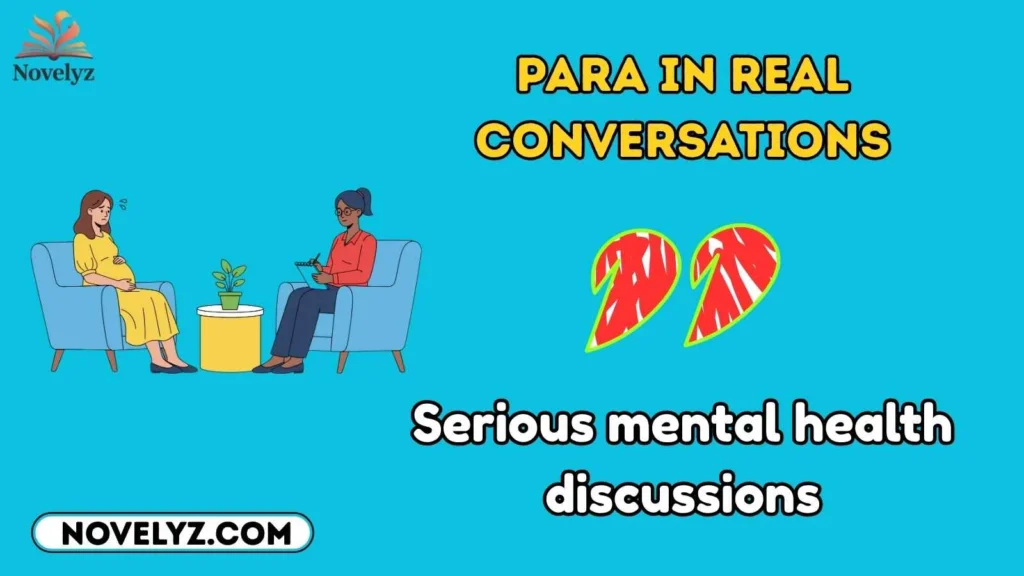
- Serious mental health discussions
- Formal conversations
- With people unfamiliar with slang
Real-Life Examples of “Para” in Text Messages
Here’s how para actually shows up in chats—and what it really means.
Example 1:
“He hasn’t replied in 3 hours. Am I being para?”
Meaning:
They’re wondering if they’re overthinking the situation.
Example 2:
“Relax bro, you’re being para for no reason.”
Meaning:
Stop being suspicious or anxious—it’s not that deep.
Example 3:
“Lowkey para about that update.”
Meaning:
Nervous or unsure about what might happen next.
Example 4:
“I’m not para, that was actually weird.”
Meaning:
Defending their suspicion as valid, not imagined.
Common Mistakes & Misunderstandings
1. Confusing slang with medical meaning
Para ≠ a diagnosis. Online, it’s usually casual and non-serious.
2. Mixing it up with other meanings
- Para in Spanish = for
- Para in academic writing = paragraph
- Para in military terms = paratrooper
Context matters.
3. Using it with the wrong audience
Older users or non-internet-native speakers may not understand it.
4. Taking it too literally
When someone says “you’re being para,” it’s often playful—not an insult.
How to Respond When Someone Sends You “Para”
If someone uses para and you’re unsure how to reply, here are safe options.
Easy responses
- “Maybe a little 😅”
- “Yeah, probably overthinking”
- “Fair enough”
- “Nah, it just felt off”
If you don’t understand
It’s completely okay to ask:
- “What do you mean by para?”
- “Like suspicious?”
When not to use it back
- In serious emotional conversations
- When someone is genuinely distressed
- In professional or formal chats
Is “Para” Still Used in 2026?
Yes—but it’s niche and context-specific.
Current usage trends
- Gen Z: Uses it casually, often jokingly
- Millennials: Familiar, but less frequent
- Gamers & Discord users: Most common
- TikTok: Appears in captions and comments
It hasn’t disappeared, but it hasn’t exploded either. Think of para as a steady, low-key slang term, not a viral one.
Related Slangs & Abbreviations
If you’re learning para, these often appear nearby:
- Sus – Suspicious or shady
- Overthinking – Self-explanatory, often paired with para
- Lowkey – Slightly or quietly
- Highkey – Obviously or strongly
- Delulu – Playfully detached from reality
Understanding these together helps you read chats more naturally.
FAQs:
What does para mean in text slang?
It means feeling suspicious, anxious, or like you’re overthinking something.
Is para short for suspicious?
Yes. In slang, para is a casual abbreviation of suspicious.
Is para rude or offensive?
Usually no. It’s often playful or self-aware, depending on tone.
Do people still say para in 2026?
Yes, especially in gaming, Discord, and casual chats.
Can I use para in formal writing?
No. It’s strictly informal slang.
Conclusion:
The para meaning in modern chat is simple once you see it used naturally. It’s about suspicion, anxiety, or overthinking—usually said casually, sometimes jokingly, and rarely seriously.
If you’ve ever paused mid-text wondering “Am I being para?”—congrats. You already understand it.
Modern slang can feel confusing, but you don’t need to master everything at once. Just learn what you see, use it when it feels natural, and skip it when it doesn’t.

I am a curious writer at Novelyz who loves exploring meanings behind words, emotions, and everyday expressions. Through simple and engaging explanations, I help readers understand language in a clear, relatable way.