If you’ve seen someone type “opp” in a text, TikTok comment, Snapchat, or Discord chat and felt confused, you’re not alone.
A lot of people search opp meaning slang because the word doesn’t sound like normal English, and the meaning changes depending on the situation.
In modern internet slang, especially in Gen Z texting culture, “opp” is a very common word, and understanding it helps you avoid awkward misunderstandings online.
This guide will explain the meaning in simple English, show real chat examples, and help you understand when to use it and when not to.
This guide is updated for 2026, based on real usage in social media, gaming chats, and texting culture.
What Does “Opp” Mean in Chat or Text?
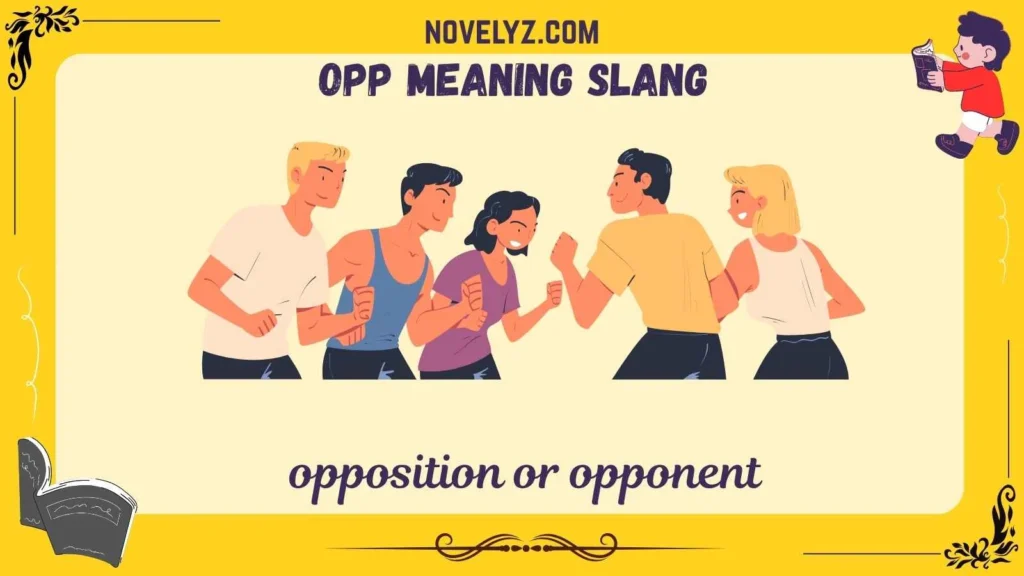
Opp is slang for “opposition” or “enemy.”
In simple words, an opp is someone who is against you, doesn’t like you, or is on the other side.
Simple definition:
Opp = Enemy / Hater / Rival / Someone not on your side
The term comes from street slang and hip-hop culture, where people used “opps” to describe rival groups or enemies. Over time, the word moved into internet culture, gaming, and social media, and now it’s used more casually.
Today, “opp” can mean:
- Someone who hates you
- Someone who talks bad about you
- A rival
- Someone you don’t trust
- Someone pretending to be your friend but isn’t
- In gaming: the enemy team
So the meaning depends on context — sometimes serious, sometimes joking.
How People Use “Opp” in Real Conversations
You’ll see opp used on:
- Text messages
- Instagram comments
- Snapchat
- Discord
- TikTok
- Dating apps
- Gaming chats
- Reddit and forums
When it feels natural:
People use opp when talking about:
- Drama
- Fake friends
- Rival teams
- Someone who betrayed them
- Someone who secretly dislikes them
Tone can be:
- Joking
- Serious
- Sarcastic
- Playful
- Street slang style
- Gaming competitive talk
Examples of tone:
- Serious: “I don’t trust him, he’s an opp.”
- Joking: “You like pineapple pizza? You an opp.”
- Gaming: “Watch the left side, opps coming.”
The tone depends completely on the situation and relationship between people.
Real-Life Examples of “Opp” in Text Messages
Here are real-style chat examples so you understand how it’s actually used.
Example 1:
“Bro don’t tell him anything, he’s an opp.”
Meaning: He’s not on our side. Don’t trust him.
Example 2:
“Anyone who wakes up at 5am for fun is an opp.”
Meaning: Joke. You’re saying those people are your enemies (not serious).
Example 3:
“She acts nice but she’s really an opp.”
Meaning: She’s fake and talks behind your back.
Example 4:
“We lost again, these opps too strong.”
Meaning: The enemy team is very strong.
Example 5:
“If you still talk to my ex, you an opp.”
Meaning: If you support my enemy, you’re my enemy too.
Important: Context changes everything. Sometimes it means real enemy, sometimes just joking.
Common Mistakes & Misunderstandings
Many beginners misunderstand opp meaning slang, which can cause awkward situations.
Common mistakes:
- Thinking opp means friend – It’s actually the opposite.
- Using it in formal conversation – It’s slang, not professional English.
- Calling someone an opp as a joke to the wrong person – They might take it seriously.
- Confusing “opp” with “OP”
- OP = Original Poster (Reddit/forums)
- Opp = Enemy / Rival
This confusion happens a lot online.
How to Respond When Someone Sends You “Opp”
If someone calls someone an opp, here’s how you can respond.
Safe replies:
- “Why, what happened?”
- “What did they do?”
- “Since when?”
- “You serious or joking?”
- “I didn’t know you had opps.”
If someone calls YOU an opp:
You can reply:
- “What did I do?”
- “I’m not your opp.”
- “Relax, I’m on your side.”
- “You’re joking right?”
If you’re not sure, ask for clarification. Sometimes people say it jokingly.
Is “Opp” Still Used in 2026?
Yes, opp is still widely used in 2026, especially by:
- Gen Z
- Gamers
- TikTok users
- Hip-hop culture communities
- Discord servers
- Snapchat and Instagram users
Gen Z vs Millennials:
- Gen Z: Uses “opp” a lot
- Millennials: Understand it but use it less
- Older adults: Often don’t know the meaning
Right now, the word is still trending and not outdated, especially in memes and TikTok comments.
Related Slangs & Abbreviations
Here are similar slang terms you might see with opp:
| Slang | Meaning |
|---|---|
| Hater | Someone who dislikes you |
| Snake | Fake friend |
| Fake | Pretending to be your friend |
| Ops | Same as opps (plural) |
| OP | Original Poster (Reddit) |
| NPC | Someone acting basic or predictable |
| Sus | Suspicious |
| Salty | Mad/angry |
| Clown | Someone acting ignorant |
These are often used in the same type of conversations online.
FAQs:
What does “opp” mean in text?
It means enemy, rival, hater, or someone who is against you.
Is calling someone an opp an insult?
Sometimes yes, sometimes it’s just a joke. It depends on tone and context.
What is the difference between opp and OP?
Opp means enemy. OP means Original Poster on forums like Reddit.
Who uses the word opp the most?
Mostly Gen Z, gamers, TikTok users, and people active in online chat culture.
Can opp be used in a funny way?
Yes. Many people use it jokingly for small things like food opinions or game rivalries.
Conclusion:
Now you understand the opp meaning slang and how it’s used in real conversations. In simple terms, an opp is someone who is against you, a rival, or a hater, but online it’s often used jokingly too.
The most important thing is context. The same word can sound serious, funny, or sarcastic depending on the situation and the relationship between people.
Once you start noticing it in texts, TikTok comments, and Discord chats, you’ll see how common it really is.
Modern slang can feel confusing at first, but once you learn the key terms, online conversations become much easier to understand.
What’s your favorite chat abbreviation? Drop it in the comments!

I am a curious writer at Novelyz who loves exploring the true meanings behind words, phrases, and modern expressions. My goal is to explain language in a simple, clear way that feels real, relatable, and easy for everyone to understand.