If you’ve seen the word “mazal” in a message, comment, or meme and felt confused, you’re not alone. A lot of people search mazal meaning because it shows up in chats, cultural conversations, and sometimes in jokes or sarcastic messages online.
Understanding what it means helps you avoid awkward replies and understand the tone of the conversation.
In modern chat culture, words from different languages often become slang. That’s exactly what happened with “mazal.”
This guide explains the meaning, how people actually use it in real conversations, and how to respond when someone sends it to you.
Updated for 2026, this is a simple, clear guide for beginners and non-native English speakers.
What Does “Mazal” Mean in Chat or Text?
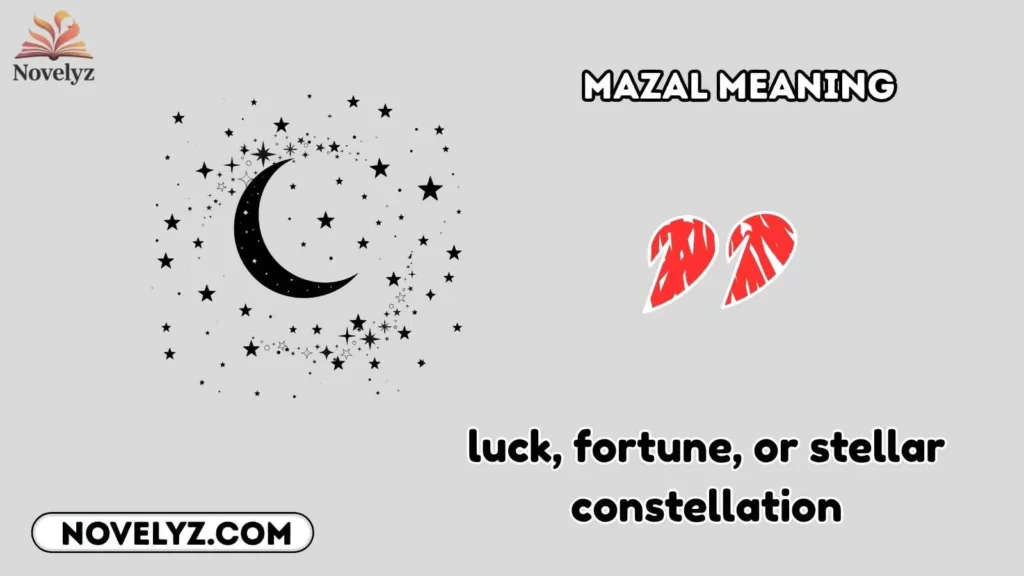
Mazal comes from Hebrew and Arabic-influenced usage and literally means luck, fortune, or destiny.
In chat and online conversations, “mazal” usually means “luck” or “good luck,” but the tone depends heavily on context.
Simple Definition:
Mazal = Luck / Good fortune / Fate
Different meanings based on context:
- “Good mazal” → Good luck
- “No mazal” → Bad luck / Unlucky
- “It’s mazal” → It was fate / destiny
- Used sarcastically → “Wow, just my luck” (usually when something bad happens)
Origin & Online Culture
The word comes from “Mazal” (מזל) in Hebrew, often used in the phrase “Mazal tov” which means “congratulations” or “good luck.” Over time, the word “mazal” started appearing online in:
- Cultural communities
- Meme pages
- Forums
- Gaming chats
- Instagram comments
Now in modern internet slang, it’s sometimes used seriously, but often ironically or sarcastically.
How People Use “Mazal” in Real Conversations
You’ll most commonly see mazal used on:
- Texting
- Instagram comments
- Snapchat
- Discord
- Dating apps
- Forums and gaming chats
When it feels natural:
- Talking about luck
- When something lucky or unlucky happens
- When congratulating someone
- When joking about bad luck
- When talking about fate or destiny
Tone & Intent:
| Situation | Meaning |
|---|---|
| Friend passed exam | Good luck / Congrats |
| Lost a game | Bad luck |
| Met someone randomly | Fate |
| Something bad happened | Sarcastic “just my luck” |
| Dating conversation | Fate/destiny meaning |
In modern chat, tone matters more than the word itself. Sometimes it’s positive, sometimes sarcastic.
Real-Life Examples of “Mazal” in Text Messages
Here are real chat-style examples so you understand how it’s actually used:
Example 1:
I found $20 on the street today. Mazal.
Meaning: I got lucky.
Example 2:
Bro I studied nothing and the exam was easy. Mazal.
Meaning: I got lucky.
Example 3:
My phone died right before I booked the tickets. No mazal.
Meaning: Bad luck.
Example 4:
We met again after 5 years in another city. Mazal.
Meaning: It was fate.
Example 5 (Sarcastic):
Of course it started raining when I left the house. Mazal.
Meaning: Just my bad luck.
See how the meaning changes depending on the situation? That’s very common in internet slang.
Common Mistakes & Misunderstandings
Many people misunderstand mazal meaning in chat, which can lead to awkward replies.
Common mistakes:
- Thinking it only means congratulations
Not always. It can mean luck, fate, or sarcasm. - Using it in very formal conversations
It’s more casual and cultural, not professional English. - Confusing it with “Mazal Tov”
- Mazal Tov = Congratulations
- Mazal = Luck / Fate
- Not understanding sarcasm
Sometimes when someone says “mazal,” they actually mean bad luck, not good luck.
This is why context is very important.
How to Respond When Someone Sends You “Mazal”
If someone sends you “mazal”, here are safe and natural replies:
Safe replies:
- “Yeah, I got lucky.”
- “Hope my mazal stays good.”
- “I need some mazal too.”
- “That was pure luck.”
- “Bad mazal today.”
If you’re confused, ask:
- “Mazal as in luck or fate?”
- “Good mazal or bad mazal?”
That’s completely normal, especially if you’re not familiar with the slang.
Is “Mazal” Still Used in 2026?
Yes, but it’s not mainstream slang like “LOL” or “BRB.”
In 2026, mazal is mostly used by:
- Cultural communities
- Meme pages
- Reddit users
- Discord and gaming communities
- People who like using unique or cultural slang
- Some dating app conversations (used as “fate/destiny”)
Gen Z vs Millennials:
| Group | Usage |
|---|---|
| Gen Z | Uses it mostly ironically or in memes |
| Millennials | Uses it more in the “fate/luck” meaning |
| Gamers | Use it for luck (good or bad RNG) |
| Reddit/Forums | Common in story posts |
So yes, it’s still used, but in niche internet culture, not everywhere.
Related Slangs & Abbreviations
Here are some related terms that people often use in similar situations:
| Slang | Meaning |
|---|---|
| RNG | Random luck (gaming) |
| Lucky me | Sarcastic bad luck |
| Fate | Destiny |
| Meant to be | Destiny |
| GG | Good game |
| TBF | To be fair |
| NGL | Not gonna lie |
| FR | For real |
These are often used in the same types of conversations as mazal.
FAQs:
1. What does “mazal” mean in text?
It means luck, fortune, or fate. Sometimes used seriously, sometimes sarcastically.
2. Does mazal mean congratulations?
Not exactly. “Mazal tov” means congratulations, but “mazal” alone usually means luck.
3. Is mazal positive or negative?
Both. It can mean good luck, bad luck, or fate depending on context.
4. Is mazal slang?
It’s originally a Hebrew word, but now it’s used as internet slang in chats and online communities.
5. Should I use mazal in conversations?
You can use it in casual chats, but only when talking about luck or fate. Don’t use it in formal conversations.
Conclusion:
To keep it simple:
- Mazal means luck, fate, or fortune
- It can be positive, negative, or sarcastic
- Context decides the meaning
- It’s used in chats, memes, forums, and gaming conversations
- Not super common, but still used in 2026 in online communities
If you saw this word and felt confused, that’s normal. Internet slang changes fast, and many words now come from different languages and cultures.
Now if someone texts “mazal,” you’ll understand what they actually mean — and you’ll know how to reply without feeling lost.

I am a curious writer at Novelyz who loves exploring meanings behind words, emotions, and everyday expressions. Through simple and engaging explanations, I help readers understand language in a clear, relatable way.