You’ve probably seen the word matinee on a movie ticket, theatre poster, or schedule and thought, “Wait… what exactly does that mean?” You’re not alone.
People search for matinee meaning because it sounds formal, slightly old-school, and confusing—especially if English isn’t your first language or you mostly live in modern chat culture.
In simple terms, matinee just means a daytime show. But there’s more context, history, and real-world usage that most sites never explain clearly.
This guide is updated for 2026 and written in plain, human English. No dictionary talk. No fluff. Just real explanations, examples, and cultural context so you’ll never feel unsure again.
What Does “Matinee” Mean in Chat or Text?
Matinee means a show or event that happens during the daytime, usually in the afternoon.
Most commonly, it refers to:
- Movies
- Theatre plays
- Musicals
- Live performances
A matinee show usually starts before the evening, often between 11 AM and 4 PM.
Where the word comes from
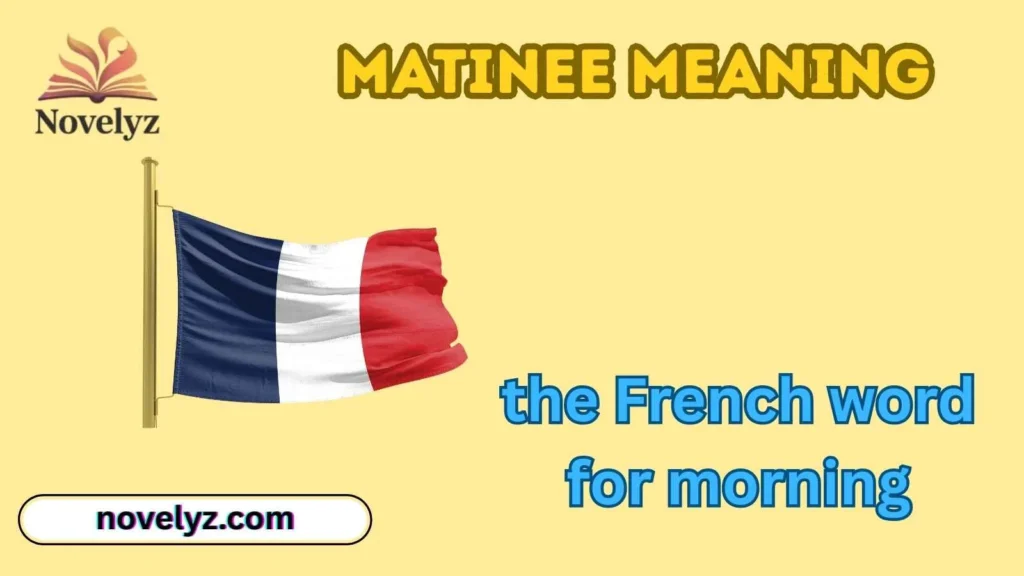
- “Matinee” comes from the French word matin, meaning morning
- It entered English in the 1800s through theatre culture
- Originally used for afternoon stage performances
Has the meaning changed?
Not really. But the context has expanded:
- It’s still formal in writing
- But casually used in speech and texts now
- Often linked to cheaper tickets, families, or daytime plans
How People Use “Matinee” in Real Conversations
Even though matinee isn’t slang, it shows up a lot in casual talk—especially when planning.

Common platforms where you’ll see it
- Text messages
- WhatsApp & Messenger
- Instagram captions
- Theatre or cinema websites
- Reddit and forum discussions
How it sounds socially
- Neutral and polite
- Slightly classy or old-school
- Not Gen Z slang, but still understood
When it feels natural
- Planning movies or shows
- Talking about ticket prices
- Referring to daytime events
When it feels awkward
- Casual gaming chats
- Meme culture conversations
- Fast Gen Z texting where “day show” sounds more natural
Real-Life Examples of “Matinee” in Text Messages

Here’s how matinee actually looks in real messages:
Example 1
“Let’s catch the matinee. Tickets are cheaper and it won’t be crowded.”
Meaning: A daytime movie with fewer people.
Example 2
“I can’t do the night show, but I’m free for the matinee.”
Meaning: Afternoon works better than evening.
Example 3
“They’re offering a student discount for matinee shows.”
Meaning: Lower-priced daytime tickets.
Example 4
“We went to the Sunday matinee and still had the whole evening free.”
Meaning: Early show, flexible schedule.
Context matters, but the meaning stays consistent: daytime performance.
Common Mistakes & Misunderstandings
This is where people usually get confused.
1. Thinking matinee means “morning only”
Not true. It usually means late morning or afternoon, not early morning.
2. Confusing it with a genre or movie type
Matinee is about time, not content.
3. Assuming it’s outdated or unused
It’s still widely used in:
- Cinemas
- Theatre schedules
- Ticketing platforms
4. Using it in ultra-casual slang chats
In fast Gen Z chats, “early show” or “day show” might sound more natural.
How to Respond When Someone Says “Matinee”
If someone mentions a matinee, here’s how to reply confidently.
Safe, beginner-friendly responses
- “Yeah, afternoon works for me.”
- “What time does the matinee start?”
- “That’s perfect, I prefer day shows.”
If you’re unsure
It’s okay to ask:
- “Do you mean the afternoon show?”
When not to copy it back
- Meme-heavy chats
- Gaming lobbies
- Very casual slang threads
Is “Matinee” Still Used in 2026?
Yes—absolutely, but with clear boundaries.
Who uses it most
- Millennials
- Theatre-goers
- Movie fans
- Event planners
Gen Z usage
- Remains familiar
- Less common in slang-heavy chats
- Still understood instantly
Current relevance
- Not fading
- Not trending
- Stable and practical
It’s a functional word, not a viral one.
Related Terms People Confuse With “Matinee”
These often appear in the same context:
- Evening show – A performance later at night
- Late show – Usually starts after 9 PM
- Preview – Early showing before official release
- Screening – General term for a showing
- Performance – Common theatre term
Knowing these helps avoid ticket-time mistakes.
FAQs:
What does matinee mean in simple words?
It means a show or movie that happens during the day, usually in the afternoon.
Is a matinee cheaper than a night show?
Often yes. Many cinemas and theatres offer lower matinee prices.
Is matinee a slang word?
No. It’s a formal term, but commonly used in casual conversation.
What time is considered a matinee?
Typically any show before the evening, often before 4 or 5 PM.
Do people still say matinee in 2026?
Yes. Especially for movies, theatre, and live events.
Final Thoughts:
If you’ve ever paused at a ticket page wondering about matinee meaning, now you’ve got it fully clear.
It simply means a daytime show—nothing complicated, nothing hidden. It’s still widely used, still understood, and still useful in everyday planning.
Once you know it, you’ll start noticing it everywhere.
What’s a word you’ve seen online that confused you at first? Drop it in the comments.

I am a curious writer at Novelyz who loves exploring the true meanings behind words, phrases, and modern expressions. My goal is to explain language in a simple, clear way that feels real, relatable, and easy for everyone to understand.