If you’ve seen the word impudent in a message, comment, or caption and felt confused, you’re not alone.
Many people search for impudent meaning because it sounds formal, but it actually shows up in modern conversations, memes, and online arguments more often than you’d expect.
Understanding this word helps you avoid awkward misunderstandings and also helps you sound more confident when reading or replying to messages online.
This guide is updated for 2026 and explains everything in simple, real-life language.
What Does “Impudent” Mean in Chat or Text?
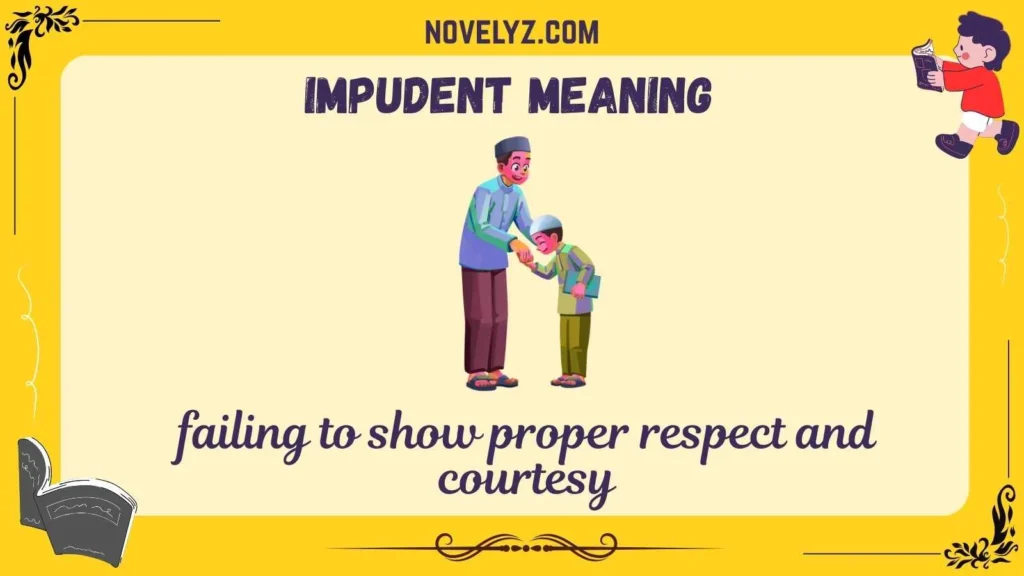
Impudent means rude, disrespectful, or too bold in a way that feels disrespectful.
In simple words:
Impudent = Disrespectful + Bold + No manners
But in modern chat, the tone can change depending on context:
- Serious meaning → Someone is being rude
- Funny meaning → Someone is being cheeky or untamed
- Flirty meaning → Someone is playfully bold
- Argument meaning → Someone is being disrespectful
Brief Origin
The word impudent comes from Latin and originally meant “without shame.”
Over time, it became a word used for someone who talks back, acts rude, or shows no respect.
Today in internet culture, it can mean:
- Disrespectful
- untamed
- Cheeky
- Bold in a rude way
So the meaning has softened online. Sometimes it’s an insult, sometimes it’s playful.
How People Use “Impudent” in Real Conversations
You’ll see impudent used on:
- Texting
- Instagram comments
- Snapchat messages
- Discord chats
- Dating apps
- Reddit and forums
- Gaming chats
When It Feels Natural
People use impudent when someone:
- Talks back
- Makes a bold joke
- Roasts someone
- Says something slightly rude but funny
- Acts overconfident
Tone & Intent
The meaning depends on tone:
| Situation | Meaning |
|---|---|
| Argument | Rude / Disrespectful |
| Friends joking | Cheeky / untamed |
| Flirting | Playfully bold |
| Online debate | Arrogant / Rude |
| Gaming | Trash talking / Bold |
Important: Tone matters more than the word itself.
Real-Life Examples of “Impudent” in Text Messages
Here are real chat-style examples so you understand how it’s actually used:
Example 1:
“Bro you’re so impudent, you really told the boss he was wrong?”
Meaning: You were very bold and slightly disrespectful.
Example 2:
“She’s impudent but funny, I can’t even be mad.”
Meaning: She’s rude, but in a funny way.
Example 3:
“That was an impudent reply lol.”
Meaning: That reply was untamed / bold.
Example 4:
“Why are you being impudent today?”
Meaning: Why are you acting rude or disrespectful?
Example 5 (Flirty):
“You’re quite impudent, I like that.”
Meaning: You’re bold and confident (attractive tone).
See? The word can be insult, joke, or flirt depending on context.
Common Mistakes & Misunderstandings
1. Thinking It Means Confident (Not Always)
Impudent does NOT usually mean confident.
It means confident + disrespectful.
2. Using It in Formal Situations
Don’t use it in:
- Job emails
- Formal messages
- Professional communication
It sounds insulting.
3. Generational Confusion
- Older people → Use it seriously (rude)
- Younger people → Sometimes use it jokingly (cheeky/untamed)
4. Misreading Tone
If someone says:
- “You’re impudent” → Could be insult
- “You’re impudent lol” → Joke
- “You’re impudent ;)” → Flirty
Context is everything.
How to Respond When Someone Sends You “Impudent”
If someone calls you impudent, here are safe replies:
Safe Responses
- “I’ll take that as a compliment.”
- “I’m just honest.”
- “Someone had to say it.”
- “Not rude, just brave.”
- “Lol I’m not impudent, just right.”
If You’re Not Sure What They Mean
Ask:
- “Impudent in a bad way or funny way?”
- “Are you mad or joking?”
That avoids misunderstandings.
When Not to Use It Back
Don’t call someone impudent if:
- They are older than you
- It’s a serious conversation
- Work or professional chat
- Someone is already angry
It can sound like a direct insult.
Is “Impudent” Still Used in 2026?
Yes, but not as common in slang as words like untamed, bold, or disrespectful.
In 2026:
- Millennials use impudent more
- Gen Z uses untamed, wild, out of pocket, disrespectful
- Still used in:
- Twitter/X
- Argument comments
- BookTok / educated audiences
- Sarcastic conversations
So the word is still used, but mostly by people with strong English vocabulary or in sarcastic internet conversations.
Related Slangs & Abbreviations
Here are similar words you might see:
| Slang | Meaning |
|---|---|
| untamed | Brutally honest / bold |
| Out of pocket | Rude / inappropriate |
| Disrespectful | Direct rude behavior |
| Bold | Confident, not always rude |
| Cheeky | Playfully rude |
| Sassy | Attitude but funny |
| Roasting | Making fun of someone |
| Clapback | Smart reply to insult |
These are often used instead of impudent in modern chat.
FAQs:
1. What does impudent mean in text?
It means someone is being rude, bold, or disrespectful, sometimes in a funny or sarcastic way.
2. Is impudent an insult?
Yes, it can be an insult, but sometimes people use it jokingly to mean cheeky or untamed.
3. Is impudent positive or negative?
Usually negative, but in casual chat it can be playful or flirty depending on tone.
4. What is the difference between impudent and confident?
Confident is positive. Impudent means confident but disrespectful.
5. Do people still use the word impudent in 2026?
Yes, but it’s more common in sarcastic conversations, Reddit, and debates than everyday texting.
Conclusion:
Now you understand the real impudent meaning in modern chat and social media. The word basically describes someone who is bold, rude, or cheeky, and the tone can be serious, funny, or even flirty depending on the situation.
The most important thing to remember is that context and tone change the meaning, so always look at the conversation before reacting.
Once you understand words like this, modern chat and internet culture becomes much easier to follow, and you won’t feel confused when you see them in messages or comments.
What’s your favorite chat abbreviation? Drop it in the comments!

I am a curious writer at Novelyz who loves exploring the true meanings behind words, phrases, and modern expressions. My goal is to explain language in a simple, clear way that feels real, relatable, and easy for everyone to understand.