If you’ve seen someone say “I’m idle”, “he’s idle”, or “don’t stay idle” in chat, gaming, or social media, you might be confused.
The idle meaning in chat is not always the same as the dictionary meaning. In modern texting, gaming, and online culture, “idle” has a very specific tone and usage.
This guide explains the idle meaning in text, how people actually use it, and how to respond without sounding awkward.
Updated for 2026, this is a beginner-friendly guide for anyone trying to understand modern chat language.
What Does “Idle” Mean in Chat or Text?
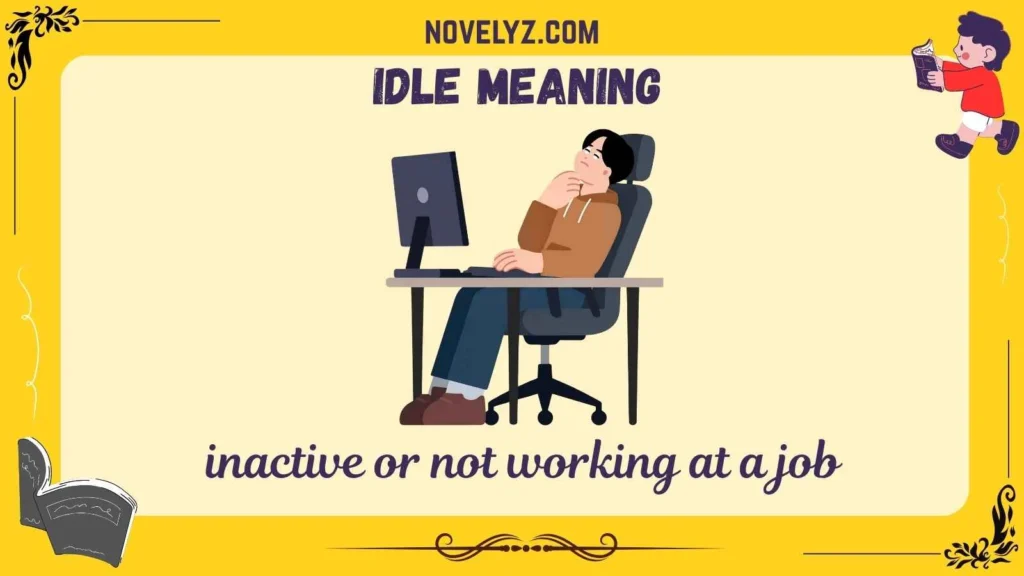
In chat and online slang, “idle” means someone is online but not active, not replying, or not doing anything.
Simple definition:
Idle = Online but inactive / not responding / doing nothing
Different meanings based on context:
- Gaming: Logged in but not playing
- Discord: Online but away from keyboard
- Texting: Seen the message but not replying
- Work chat: Not working, just online
- General slang: Lazy or wasting time
Origin of the term online
“Idle” originally comes from computer status messages like:
- Idle status
- Idle time
- Idle mode
It became popular in:
- Early chat rooms
- Forums
- MMORPG games
- Discord and Slack
- Now texting and social media
Over time, it evolved from a technical status to a casual slang word people use in conversation.
How People Use “Idle” in Real Conversations
You’ll commonly see “idle” used on:
- Texting
- Instagram DMs
- Snapchat
- Discord
- Dating apps
- Gaming chats
- Forums and Reddit
When it feels natural:
- When someone is online but not replying
- When someone is bored
- When someone is wasting time
- When someone is sitting free with nothing to do
Tone and intent:
“Idle” can sound different depending on context:
| Situation | Meaning | Tone |
|---|---|---|
| “Why are you idle?” | Why are you doing nothing? | Slightly rude |
| “I’m just idle” | I’m free / bored | Casual |
| “He’s idle whole day” | He’s lazy | Negative |
| “I was idle so I texted you” | I was free | Friendly |
| “Don’t stay idle, do something” | Be productive | Advice |
In real chat culture, “idle” often means “free and bored,” not just inactive.
Real-Life Examples of “Idle” in Text Messages
Here are real chat-style examples so you understand the meaning clearly.
Example 1:
A: What are you doing?
B: Nothing, just idle.
Meaning: I’m free and bored.
Example 2:
You were online but not replying. Idle?
Meaning: You were online but not responding.
Example 3:
I get bad thoughts when I stay idle.
Meaning: When I have nothing to do.
Example 4:
Bro stop being idle and start your work.
Meaning: Stop wasting time.
Example 5 (Funny):
I opened Instagram for 5 minutes, stayed idle for 2 hours.
Meaning: Scrolling without purpose.
Context changes everything. Sometimes idle = free, sometimes idle = lazy, sometimes idle = not replying.
Common Mistakes & Misunderstandings
Many people misunderstand the idle meaning in slang, especially non-native English speakers.
Common mistakes:
- Thinking idle only means “engine running”
That’s a mechanical meaning, not chat slang. - Using it in formal conversation
Saying “I was idle today” in a job interview sounds bad. Use “I was free” instead. - Using it to elders or bosses
Can sound like: lazy, useless, unproductive. - Confusing idle with “AFK”
- Idle = online but inactive
- AFK = Away From Keyboard
Misunderstanding this word can make messages sound rude without intention.
How to Respond When Someone Sends You “Idle”
If someone messages you “Idle?” or “Are you idle?”, here are safe replies:
Safe replies:
- “Yeah, I’m free right now.”
- “Just a bit, what’s up?”
- “Not idle, just busy.”
- “I was idle earlier, now working.”
- “Why?”
When to ask for clarification:
If someone just sends:
“Idle?”
They usually mean:
“Are you free to talk?”
So a safe reply:
“Yes, I’m free. Tell me.”
When not to use it back:
Avoid using “idle”:
- In formal emails
- With teachers/boss
- In professional settings
- With people who don’t understand slang
Is “Idle” Still Used in 2026?
Yes, “idle” is still used in 2026, but mostly in specific groups:
| Group | Usage |
|---|---|
| Gamers | Very common |
| Discord users | Very common |
| Students | Common |
| Office chat | Common |
| Gen Z texting | Medium |
| Millennials | Medium |
| Formal English | Rare |
Today, many people use “free”, “bored”, or “AFK” instead, but idle is still widely understood in online culture.
Related Slangs & Abbreviations
Here are similar or related internet slang terms:
| Slang | Meaning |
|---|---|
| AFK | Away From Keyboard |
| BRB | Be Right Back |
| Ghosting | Suddenly stop replying |
| Lurking | Watching but not talking |
| Free | Available to talk |
| Bored | Nothing to do |
| Online | Active on internet |
These words are often used in the same situations as idle in chat.
FAQs:
1. What does “idle” mean in text?
It means you are online but not doing anything, not replying, or just free and bored.
2. Is “idle” rude?
Sometimes yes. If you say “You are always idle,” it sounds like calling someone lazy.
3. Does idle mean free?
In chat slang, yes. Many people use “idle” to mean “I’m free.”
4. What’s the difference between idle and AFK?
Idle = online but inactive.
AFK = not at the device.
5. Is idle a Gen Z slang word?
Not exactly. It started in gaming and forums, but Gen Z still uses it in Discord, chats, and texting.
Conclusion:
The idle meaning in chat is simple: online but inactive, free, or bored. But the tone changes depending on context. Sometimes it means free, sometimes lazy, and sometimes just not replying.
If you’re new to internet slang, don’t worry. Words like “idle,” “AFK,” and “ghosting” are part of modern chat culture, and once you see them used in real conversations, they become easy to understand.
Now you won’t feel confused the next time someone messages you:
“Are you idle?”
You’ll know they probably mean:
“Are you free to talk?”
What’s your favorite chat abbreviation? Drop it in the comments!

I am a curious writer at Novelyz who loves exploring meanings behind words, emotions, and everyday expressions. Through simple and engaging explanations, I help readers understand language in a clear, relatable way.