If you’ve seen someone say “I’m holding space for you” in a text, TikTok comment, or Discord chat and felt slightly confused, you’re not alone. Searches for holding space meaning have exploded as the phrase moved from therapy language into everyday online conversation.
People use it during emotional moments, arguments, breakups, grief posts, and even casual check-ins. But its meaning isn’t always obvious—especially if English isn’t your first language or you’re new to modern internet talk.
This guide breaks down what “holding space” really means in chat, how people actually use it online, and how to respond naturally—updated for 2026 and written for real humans, not dictionaries.
What Does “Holding Space” Mean in Chat or Text?
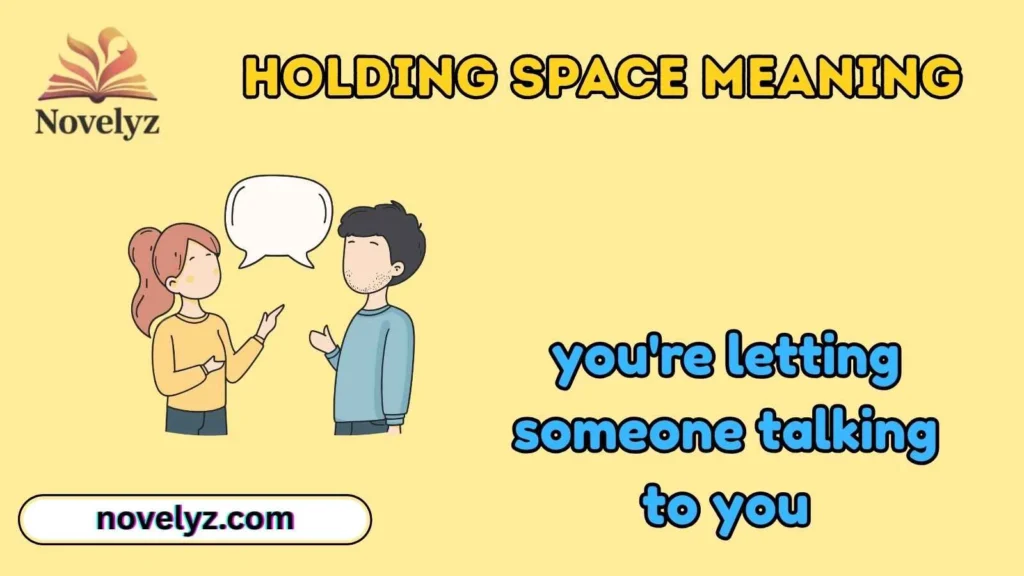
Holding space means emotionally supporting someone without trying to fix, judge, or interrupt them.
In simple terms, it’s saying:
- “I’m here for you”
- “You don’t have to explain or perform”
- “Your feelings are allowed”
The Core Meaning (Beginner-Friendly)
When someone says they’re holding space, they’re offering presence, not solutions.
Not debating facts.
They’re not minimizing feelings.
They’re just being there.
Where the Term Comes From
“Holding space” originally came from:
- Therapy and counseling
- Mindfulness and wellness communities
- Emotional support conversations
Around 2020–2023, it spread heavily through:
- TikTok mental health content
- Instagram captions
- Twitter/X threads
- Gen Z relationship language
By 2026, it’s fully mainstream—but still emotionally loaded.
How People Use “Holding Space” in Real Conversations
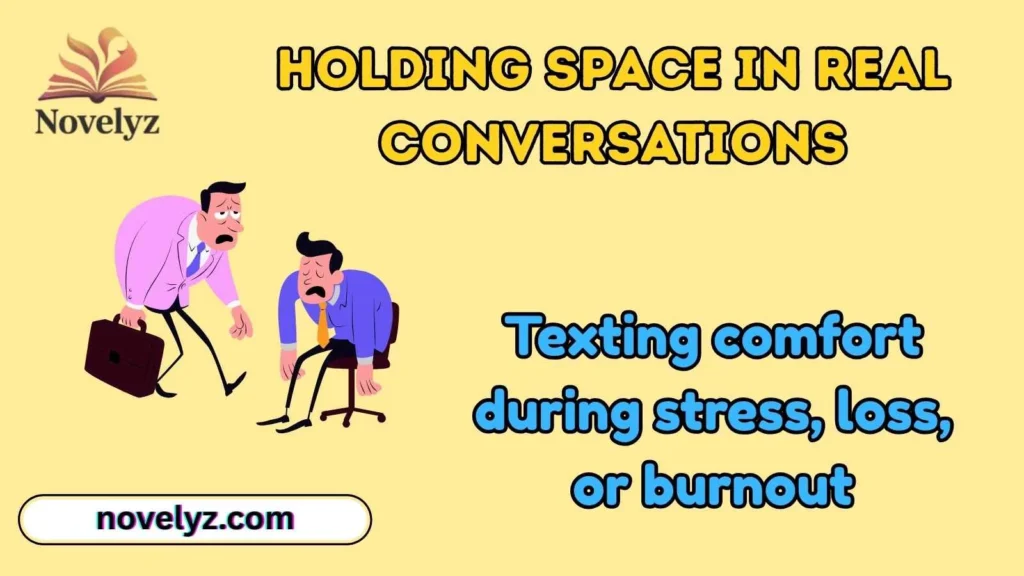
You’ll see holding space used across many platforms, especially during emotional moments.
Common Platforms
- Texting: comfort during stress, loss, or burnout
- Instagram: supportive comments under vulnerable posts
- TikTok: reactions to trauma, identity, or healing content
- Discord: late-night vent channels
- Dating apps: emotional reassurance without pressure
- Forums & gaming chats: checking in after heated moments
When It Feels Natural
- Someone is venting
- Someone is grieving
- Someone says “I don’t need advice”
- Emotions are heavy or complicated
When It Feels Awkward
- Casual jokes
- Light complaints (“I’m hungry lol”)
- Professional emails (unless wellness-focused)
- When advice is clearly requested
Tone & Intent
Depending on context, it can feel:
- Gentle and caring
- Calm and grounded
- Serious and intentional
- Slightly formal (if overused)
Real-Life Examples of “Holding Space” in Text Messages
Example 1
Text:
“Today was rough. I don’t even know how to explain it.”
Reply:
“I’m holding space for you. You don’t have to explain.”
Meaning:
The sender is offering emotional presence, not answers.
Example 2
Instagram Comment:
“Sharing this was hard. Please be kind.”
Reply:
“Holding space for you and everything this took.”
Meaning:
Respect, empathy, and emotional support.
Example 3
Discord Chat:
“I’m just tired of everything.”
Reply:
“I hear you. Holding space.”
Meaning:
Acknowledgment without pressure to continue.
Example 4 (Awkward Use)
Text:
“I failed my driving test again lol”
Reply:
“Holding space for you.”
Why It Feels Off:
Too serious for a light, joking situation.
Common Mistakes & Misunderstandings
1. Confusing It With Advice
Holding space does not mean:
- Giving solutions
- Saying “at least…”
- Trying to cheer someone up fast
2. Using It Too Casually
Overusing it can make you sound:
- Performative
- Emotionally distant
- Like you learned it from TikTok yesterday
3. Cultural & Generational Gaps
- Older users may find it vague
- Some people prefer direct reassurance
- Not everyone connects with therapy language
4. Misreading Intent
Someone holding space may still care deeply—even if they’re quiet.
How to Respond When Someone Sends You “Holding Space”
If someone says they’re holding space for you, here are natural replies.
Safe Responses for Beginners
- “Thank you, that means a lot.”
- “I appreciate you being here.”
- “That helps more than you know.”
If You Want to Open Up
- “Can I talk about it a bit?”
- “I might need advice later, just not yet.”
If You’re Unsure What They Mean
- “Thanks—can you stay with me for a bit?”
- “That actually helps, appreciate it.”
When Not to Use It Back
- If you don’t understand it
- If the moment is casual
- If direct reassurance feels better
Is “Holding Space” Still Used in 2026?
Yes—but it’s more intentional now.
Usage Breakdown
- Gen Z: still common, especially in emotional or identity-related spaces
- Millennials: used thoughtfully, less frequently
- Professional wellness spaces: very common
- Casual chat: less frequent than in 2022–2024
It hasn’t disappeared. It’s just more context-aware now.
Related Slangs & Abbreviations
If you’re learning modern emotional language, these often appear nearby:
- “I hear you” – acknowledgment without agreement
- “Valid” – affirming someone’s feelings
- “Sending love” – emotional support from a distance
- “Here for you” – casual version of holding space
- “No pressure to respond” – removes emotional obligation
These terms often form a support-language cluster online.
FAQs:
What does “holding space meaning” refer to in texting?
It means emotionally supporting someone without judging, fixing, or interrupting them.
Is holding space a slang term or therapy language?
It started as therapy language but is now common internet slang in emotional contexts.
Is it okay to say “holding space” to anyone?
Yes, but it works best when someone is vulnerable or emotionally open.
Does holding space mean staying silent?
Not always. It means listening and responding gently, not dominating the moment.
Can holding space feel fake?
It can if overused or said without genuine presence.
Conclusion:
Understanding the holding space meaning helps you navigate modern conversations with more confidence and empathy. It’s not about saying the perfect thing—it’s about showing up in a calm, respectful way when emotions are involved.
You don’t need to use it everywhere. Just know what it means, when it fits, and how to respond naturally.
Modern chat language is about connection—not perfection.
What’s your favorite chat abbreviation or phrase that confused you at first? Drop it in the comments.

I am a curious writer at Novelyz who loves exploring meanings behind words, emotions, and everyday expressions. Through simple and engaging explanations, I help readers understand language in a clear, relatable way.