If you’ve seen someone use the word “dote” in a text message, comment, or caption and felt confused, you’re not alone.
The dote meaning in text isn’t always obvious, especially for non-native English speakers or people new to modern chat culture.
In today’s online world from texting to platforms like TikTok, Instagram, Snapchat, Discord, and Reddit language changes fast.
Words like “dote” can have slightly different meanings depending on context, tone, and relationship between people.
This guide will explain the meaning, real usage, and how to respond when someone uses “dote” in chat.
Updated for 2026, this is a simple, human explanation — not a confusing dictionary definition.
What Does “Dote” Mean in Chat or Text?
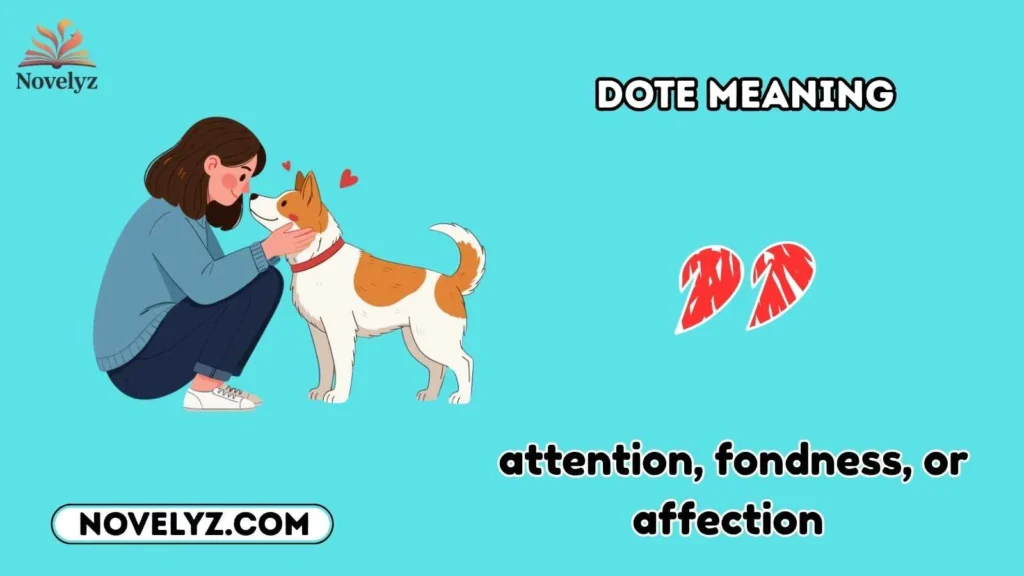
In chat and texting, “dote” means to show a lot of love, attention, or affection toward someone.
Simple meaning:
- To love someone deeply
- To be very affectionate
- To care for someone in a sweet or soft way
- To be a little obsessed with someone (in a loving way)
Example:
“He really dotes on his girlfriend.”
Meaning: He gives her a lot of attention, love, and care.
Origin & How the Meaning Evolved
The word “dote” is actually an old English word. It existed long before internet slang. But online, people started using it again because:
- It sounds soft and romantic
- It’s popular in fan edits, aesthetic captions, and relationship posts
- It’s often used in cute, romantic, or emotional contexts
So while it’s not pure “slang,” it became popular again through social media culture.
How People Use “Dote” in Real Conversations
You’ll usually see “dote” used in these places:
- Text messages
- Instagram captions
- TikTok comments
- Snapchat chats
- Discord conversations
- Dating apps
- Fan communities
- Relationship posts
When It Feels Natural
“Dote” sounds natural when talking about:
- Romantic partners
- Crushes
- Cute behavior
- Parents and children
- Pets
- Someone who gives a lot of attention
Examples:
- “She dotes on her cat.”
- “He dotes on you so much.”
- “I love how you dote on me.”
- “Grandparents always dote on their grandkids.”
Tone & Intent
Depending on context, it can feel:
- Romantic
- Cute
- Soft
- Emotional
- Slightly flirty
- Appreciative
- Sometimes teasing
It usually has a positive meaning.
Real-Life Examples of “Dote” in Text Messages
Here are real chat-style examples so you understand how it’s used.
Example 1:
“You dote on me too much lol.”
Meaning: You give me too much attention and affection (said in a cute way).
Example 2:
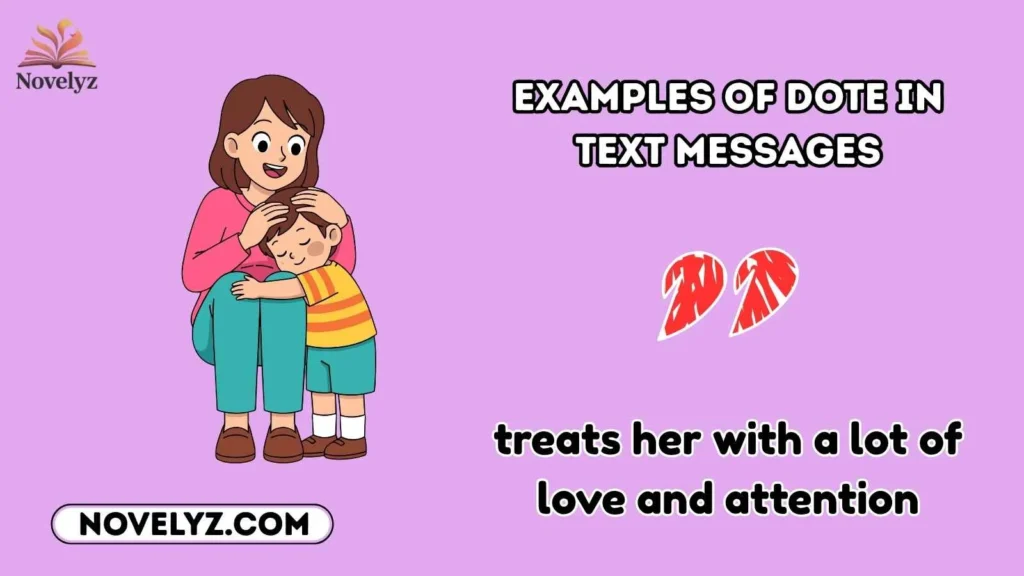
“He literally dotes on her.”
Meaning: He treats her with a lot of love and attention.
Example 3:
“I want someone who dotes on me.”
Meaning: I want someone who loves me and cares for me a lot.
Example 4:
“She dotes on her little brother.”
Meaning: She gives him lots of love and attention.
Example 5 (Flirty):
“Careful or I’ll start doting on you.”
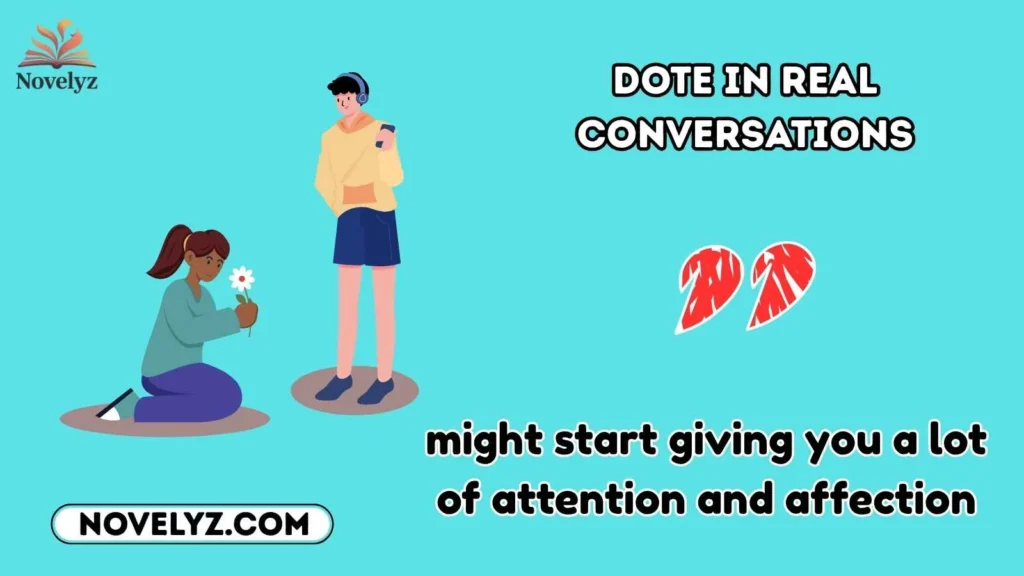
Meaning: I might start giving you a lot of attention and affection.
Common Mistakes & Misunderstandings
Many people misunderstand “dote.” Here are common mistakes:
1. Thinking It Means “Annoy”
It does NOT mean annoy or disturb.
2. Thinking It’s Negative
It’s usually positive, but sometimes it can mean too much attention.
Example:
“She dotes on him too much.”
This can mean: She gives him too much attention.
3. Using It in Formal Situations
“Dote” is more emotional and personal, not for business or formal emails.
4. Generational Confusion
- Millennials understand it
- Gen Z uses it more in romantic/aesthetic content
- Older people use it in family context
How to Respond When Someone Sends You “Dote”
If someone uses “dote” in a message, here are safe replies:
Romantic:
- “That’s cute.”
- “I don’t mind.”
- “Maybe I like the attention.”
- “Someone has to dote on me.”
- “You like being spoiled, huh?”
If friendly/family context:
- “They’re lucky to have you.”
- “That’s really sweet.”
- “You’re very caring.”
If you don’t understand:
- “What do you mean by dote?”
- “Like… give a lot of attention?”
It’s okay to ask. Many people don’t know this word.
Is “Dote” Still Used in 2026?
Yes — but not everywhere.
Where it’s most used in 2026:
- Relationship content
- Soft/romantic posts
- BookTok and romance communities
- Fan edits
- Aesthetic captions
- Dating apps
- Emotional or cute content
Gen Z vs Millennials:
- Gen Z: Uses it in romantic or aesthetic way
- Millennials: Uses it more in family/pet context
The word is not outdated, but it’s also not super common slang. It’s more of a soft romantic vocabulary word that became trendy again online.
Related Slangs & Abbreviations
Here are similar or related terms:
| Term | Meaning |
|---|---|
| Spoil | Give someone lots of gifts/attention |
| Simp | Someone who gives too much attention to someone they like |
| Obsessed | Really into someone |
| Soft for you | Emotionally weak for someone |
| Down bad | Very attracted to someone |
| Whipped | Controlled by partner (joking meaning) |
These are often used in similar contexts but “dote” is softer and more loving.
FAQs:
What does “dote” mean in text?
It means to show a lot of love, care, and attention to someone.
Is “dote” a romantic word?
Yes, most of the time it’s used in a romantic or affectionate way.
Is “dote” slang?
Not exactly. It’s an old English word that became popular again through social media and online culture.
Can “dote” be negative?
Sometimes it can mean giving too much attention, but usually it’s positive.
How do you use “dote” in a sentence?
Example: “He dotes on her,” which means he gives her lots of love and attention.
Conclusion:
To keep it simple:
Dote meaning in text = giving someone a lot of love, attention, and affection.
It’s a soft, emotional word you’ll see in romantic chats, relationship posts, and cute conversations. If someone says they “dote on you,” it usually means they really care about you and enjoy giving you attention.
Now when you see this word in a message, you won’t feel confused — you’ll understand the tone, the feeling, and the meaning behind it.
What’s your favorite chat abbreviation? Drop it in the comments!

I am a curious writer at Novelyz who loves exploring the true meanings behind words, phrases, and modern expressions. My goal is to explain language in a simple, clear way that feels real, relatable, and easy for everyone to understand.