If you’ve seen the word “dingleberry” pop up in a comment, roast, or group chat and thought, “Wait… what does that even mean?” you’re not alone.
People search dingleberry meaning because the word sounds funny, slightly rude, and confusing at the same time. It’s not something you learn in school, but it does show up online, especially in jokes, insults, and casual roasting culture.
Understanding what dingleberry means helps you:
- Avoid awkward misunderstandings
- Catch jokes and sarcasm online
- Know when it’s playful vs disrespectful
- Navigate modern internet language with confidence
This guide is updated for 2026, written in simple English, and based on how people actually use the term today.
What Does “Dingleberry” Mean in Chat or Text?
In modern slang, dingleberry is an insult, usually mild or joking, used to describe someone who is:
- Annoying
- ignorant or clueless
- Acting foolish
- Being a nuisance
In simple terms, it means “idiot,” “jerk,” or “annoying person” — but often in a humorous or non-serious way.
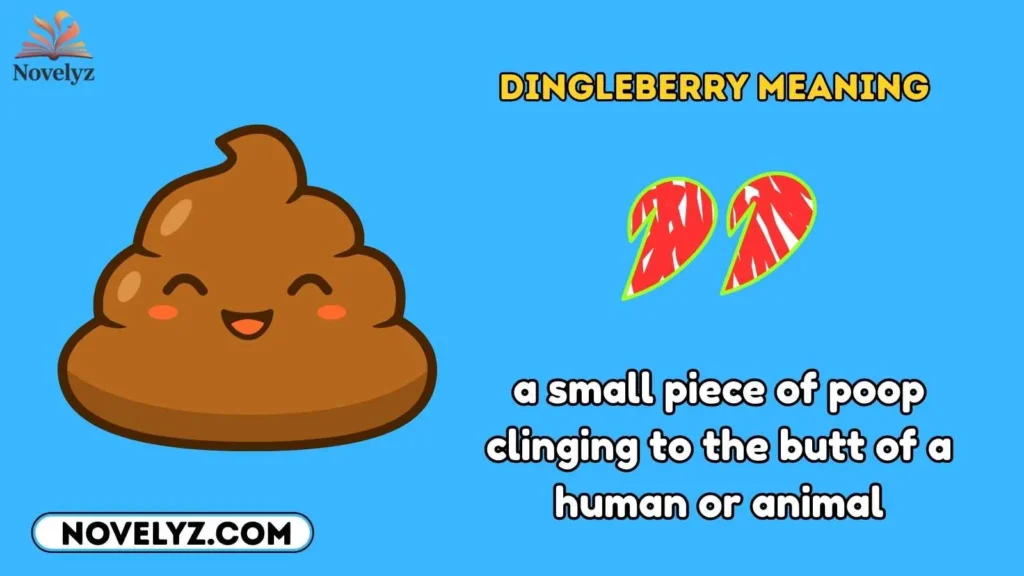
The original (literal) meaning
Historically, a dingleberry referred to a small piece of feces stuck to animal fur or human hair. Yes, it’s gross — and that’s exactly why it became an insult.
Over time, the word evolved from:
- A literal gross object
- To a joke insult
- To a casual roast in internet culture
Today, most people use it jokingly, not literally.
How People Use “Dingleberry” in Real Conversations
You’ll mostly see dingleberry in casual, informal spaces, not professional ones.
Common platforms:
- Text messages
- Instagram comments
- Snapchat chats
- Discord servers
- Gaming voice/text chats
- Reddit threads
Typical tone
- Playful
- Sarcastic
- Teasing
- Light roasting
It’s rarely flirty and not usually serious anger. Think of it as a cartoon-style insult.
When it feels natural
- Between friends
- During jokes or banter
- In gaming or meme culture
When it feels awkward or rude
- At work
- With strangers
- With elders
- In serious conversations
Personal insight: people use dingleberry when they want to insult someone without sounding aggressive. It softens the blow by sounding silly.
Real-Life Examples of “Dingleberry” in Text Messages
Here’s how it actually shows up in chats — and what it really means.
Example 1:
“Bro forgot his mic was muted again. What a dingleberry.”
Meaning: Friendly roast. Calling someone ignorant in a joking way.
Example 2:
“Stop spamming the chat, you dingleberry.”
Meaning: Mild annoyance, not serious anger.
Example 3:
“He tried to microwave a fork. Absolute dingleberry.”
Meaning: Calling someone clueless or ignorant, humor-first.
Example 4:
“Don’t listen to him. He’s just being a dingleberry.”
Meaning: Dismissing someone’s opinion as silly or annoying.
Context matters. With friends, it’s funny. With strangers, it can feel insulting.
Common Mistakes & Misunderstandings
1. Taking it literally
Most people do not mean the gross definition. It’s almost always figurative.
2. Thinking it’s harmless everywhere
Even though it sounds funny, it’s still an insult. Wrong audience = awkward moment.
3. Using it in professional settings
Calling a coworker a dingleberry is not HR-approved.
4. Cultural confusion
Non-native speakers sometimes assume it’s cute or playful. It can be — but only with the right people.
How to Respond When Someone Sends You “Dingleberry”
Your response depends on tone.
If it’s joking:
- “Takes one to know one.”
- “Fair enough.”
- “Yeah, I deserved that.”
You’re unsure:
- “What?”
- “LOL okay?”
If it feels rude:
- Ignore it
- Change the subject
- Or say: “Chill, I was joking.”
You shouldn’t use it back:
- Work chats
- Public comments
- Conversations with people you don’t know well
Is “Dingleberry” Still Used in 2026?
Yes — but with limits.
- More common with Millennials
- Less popular with Gen Z, who prefer newer insults
- Still shows up in:
- Gaming culture
- Meme pages
- Casual friend groups
It hasn’t gone viral again, but it never fully disappeared. It’s now a “classic silly insult.”
Related Slangs & Commonly Confused Terms
If you’re learning slang, these often appear in similar situations:
- Doofus – harmless insult for someone silly
- Clown – mocking someone’s behavior
- Goober – ignorant but friendly
- NPC – someone acting mindlessly
- Bozo – outdated but similar energy
These terms form the same roasting-without-being-mean category.
FAQs:
What does “dingleberry” mean in slang?
It means an annoying, ignorant, or foolish person, usually said jokingly.
Is dingleberry a bad word?
It’s mildly offensive but not a swear word. Context matters.
Is dingleberry still used today?
Yes, but mostly in casual or humorous settings.
Can dingleberry be friendly?
Yes, between friends it’s often playful.
Should non-native speakers use it?
Only with people you know well. Otherwise, avoid it.
Final Thoughts:
Dingleberry is a silly insult with a weird origin and a playful modern use. It’s not serious, not polite, and not for every situation — but when used right, it’s just harmless roasting.
If you’ve been confused by seeing it online, now you know exactly what it means and when it’s safe to use.
What’s your favorite weird slang word? Drop it in the comments and let’s decode it next.

I am a curious writer at Novelyz who loves exploring meanings behind words, emotions, and everyday expressions. Through simple and engaging explanations, I help readers understand language in a clear, relatable way.