- Jerk – Softer insult
- untamed– Someone bold or ruthless (often admired)
- Menace – Playfully chaotic person
- Toxic – Harmful or negative behavior
- Salty – Bitter or annoyed
- SOB – Abbreviation of a stronger insult
Ever seen someone type “you bastard” in a message and wondered… are they joking or actually angry?
The bastard meaning in modern chat can be confusing. Sometimes it’s playful. Sometimes it’s rude. And sometimes it crosses a serious line.
If you’re a non-native speaker, new to internet slang, or just unsure how it’s used on social media, this guide will break it down clearly. No dictionary fluff. Just real-life usage, tone, and context.
Updated for 2026, this is your complete guide to understanding “bastard” in text, chat, gaming, and social media culture.
What Does “Bastard” Mean in Chat or Text?
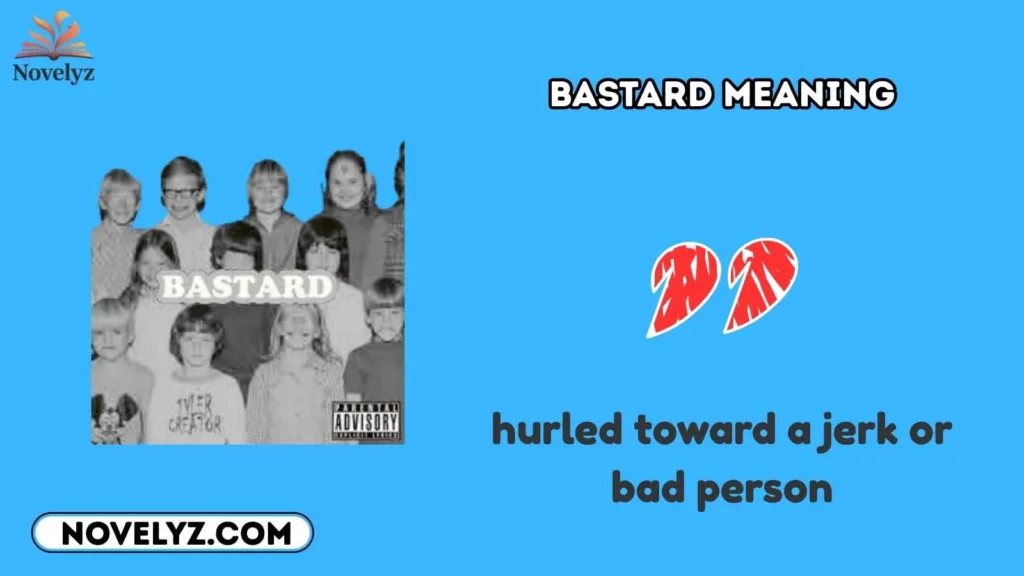
In simple terms, “bastard” is an insult — but the intensity depends heavily on tone and context.
The Core Meaning
Traditionally, “bastard” meant:
- A child born to unmarried parents (old historical definition)
But in modern usage, especially in chat, that meaning is rarely intended.
Today, it usually means:
- A jerk
- A mean or selfish person
- Someone who did something annoying or unfair
- A playful insult between friends
How It Evolved Online
In older generations, the word carried more weight. It was considered harsh and offensive.
Online culture changed that.
On platforms like:
- Discord
- Gaming chats
- Private texting
It often became a semi-playful insult, similar to:
- “You idiot”
- “You menace”
- “You little troll”
But here’s the key:
Tone decides everything.
Said angrily? It’s serious.
Said jokingly? It can mean “you’re lucky” or “I can’t believe you.”
How People Use “Bastard” in Real Conversations
Let’s look at how it shows up across platforms.
1. Texting
Used between close friends:
- “You bastard, you didn’t tell me you got promoted!”
- “Lucky bastard.”
Here it often means:
- You’re lucky
- I’m fake-mad
- I’m impressed but jealous
It feels natural only if:
- You already have a casual relationship
- You both joke like that
It feels awkward if:
- You don’t know each other well
- It’s a professional setting
2. Instagram & Snapchat
Common in:
- Comments between friends
- Story replies
- Playful call-outs
Example:
- “You bastard, that food looks amazing.”
Translation:
“I’m jealous and joking.”
3. Discord & Gaming Chats
Very common in gaming culture.
Example:
- “You camping bastard.”
- “That lucky bastard pulled a rare skin.”
In gaming, it usually means:
- Competitive frustration
- Playful rivalry
But in toxic lobbies, it can turn genuinely hostile.
4. Dating Apps
Use with caution.
If someone says:
- “You smooth bastard.”
That can mean:
- You’re confident
- You surprised me
- Mild flirting
But if said coldly, it may signal annoyance.
Dating context = read the vibe carefully.
Real-Life Examples of “Bastard” in Text Messages
Here are short, realistic chat-style examples and what they actually mean.
Example 1:
“You bastard, you finished the whole series without me.”
Meaning:
You’re jokingly upset.
Example 2:
“Lucky bastard won the lottery.”
Meaning:
They’re jealous but not angry.
Example 3:
“You lying bastard.”
Meaning:
Now it’s serious. That’s not playful.
Example 4:
“That clever bastard negotiated a better deal.”
Meaning:
Half insult, half admiration.
Context changes everything.
Common Mistakes & Misunderstandings
1. Thinking It Always Means the Same Thing
It doesn’t.
The bastard meaning in text depends on:
- Tone
- Relationship
- Platform
- Cultural background
2. Using It in Professional Settings
Never use it:
- At work
- In emails
- With clients
- With teachers
Even jokingly, it sounds inappropriate.
3. Cultural Confusion
In some cultures, “bastard” is still a very strong insult.
Older generations may take it seriously.
Gen Z and Millennials often use it more casually among close friends.
4. Using It Too Early in a Relationship
If you barely know someone, don’t use it.
It can come off:
- Aggressive
- Disrespectful
- Immature
How to Respond When Someone Sends You “Bastard”
Here’s how to handle it safely.
If It’s Clearly Playful
You can respond with:
- “You’re just jealous.”
- “Stay mad.”
- “Love you too.”
- “Haha sorry.”
If You’re Unsure About the Tone
Try neutral responses:
- “What did I do now?”
- “Wait, why?”
- “Are we joking or serious?”
If It Feels Aggressive
You can say:
- “That was unnecessary.”
- “Let’s keep it respectful.”
- Or simply don’t engage.
You don’t have to match someone’s energy.
Is “Bastard” Still Used in 2026?
Yes — but mostly in casual or gaming environments.
In 2026:
- Gen Z uses it playfully among close friends
- Millennials use it less than before
- It’s rare in formal online spaces
- It appears often in competitive gaming culture
It hasn’t disappeared — but it’s context-dependent.
It’s not trending slang. It’s more of a classic insult that softened among friends.
Related Slangs & Abbreviations
If you’re learning internet slang, you might also see:
Understanding these helps you read tone better in chats and gaming culture.
FAQs:
Is “bastard” always an insult?
Yes, technically it’s an insult. But among friends, it can be playful or joking.
What does “bastard meaning slang” usually imply?
In slang, it usually means “jerk,” “lucky person,” or someone who did something annoying.
Is it okay to say “bastard” to a friend?
Only if you both joke like that and have that kind of relationship.
What does “what does ‘bastard’ mean in text” usually refer to?
Most people asking this want to know if the sender is joking or serious.
Is “bastard” offensive in 2026?
It can be. Context decides. In professional or formal spaces, it’s inappropriate.
Final Thoughts:
The bastard meaning in chat isn’t black and white.
It can mean:
- Playful jealousy
- Friendly teasing
- Real anger
- Genuine insult
The difference is tone, relationship, and context.
If you’re ever unsure, it’s okay to ask. Internet slang moves fast, but clarity always wins.
Now you know exactly how it works.
What’s your favorite chat abbreviation? Drop it in the comments!

I am a curious writer at Novelyz who loves exploring meanings behind words, emotions, and everyday expressions. Through simple and engaging explanations, I help readers understand language in a clear, relatable way.