If you’ve seen “asada” in a message and felt confused, you’re not alone. It doesn’t look like typical internet slang, and that’s because it actually comes from a different place.
In this guide, we’ll break down the asada meaning, how people really use it in chat, and why it shows up in modern conversations.
Updated for 2026, this is your clear, no-confusion answer.
What Does “Asada” Mean in Chat or Text?
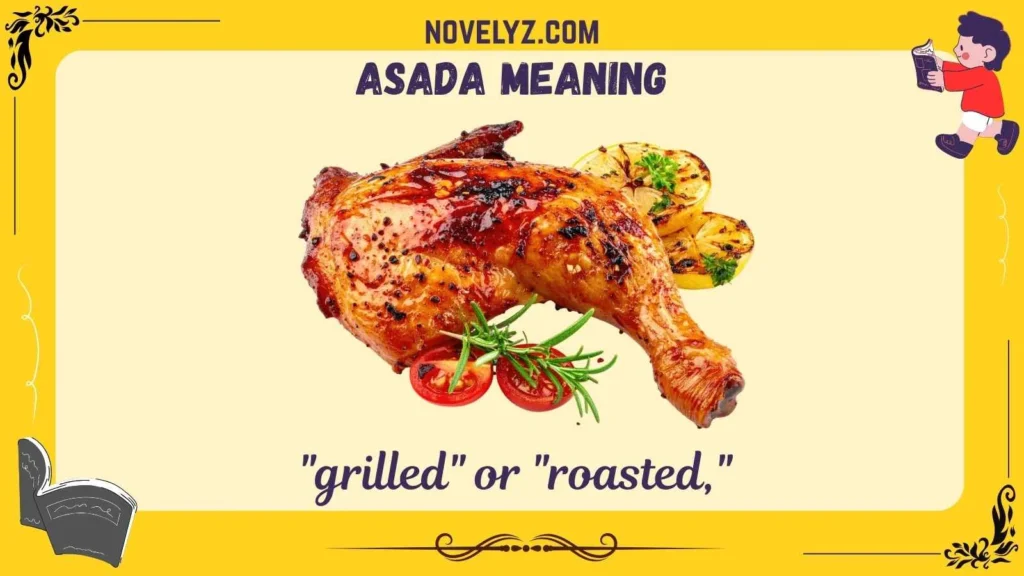
“Asada” is not traditional internet slang. It usually comes from Spanish, where it means “grilled” or “roasted.”
The most common phrase you’ll see is:
- Carne asada = grilled meat (especially beef)
So in chat or text, “asada” typically refers to food, not a hidden slang meaning.
But here’s where it gets interesting:
Depending on context, “asada” can mean:
- Literal food reference
Someone is talking about grilled meat or a meal. - Cultural/social vibe
Referring to a barbecue, hangout, or gathering. - Rare slang-style use
Sometimes used jokingly to describe someone being “roasted” (but this is not standard).
Origin & Evolution
- Originates from Spanish-speaking cultures
- Became common online due to:
- Food content on TikTok and Instagram
- Cross-cultural conversations
- Meme culture using food terms casually
Unlike real slang (like “rizz” or “sus”), “asada” hasn’t evolved into a full internet abbreviation—it’s more of a borrowed word.
How People Use “Asada” in Real Conversations
You’ll mostly see “asada” in casual, everyday chat rather than hardcore slang spaces.
Common platforms:
- Text messages
- Instagram captions and DMs
- Snapchat
- TikTok comments
- Discord (less common)
- Food or lifestyle forums
Natural usage:
- Talking about food:
- “We’re having asada tonight”
- Inviting someone:
- “Pull up, we got carne asada”
- Casual flex:
- “Homemade asada hits different”
Tone & Intent
- Casual and friendly
- Often tied to culture, food, or social vibes
- Can feel:
- Warm (family gathering)
- Chill (weekend hangout)
- Slightly playful (if used jokingly)
When it feels natural vs awkward
Natural:
- If food is being discussed
- If the speaker is familiar with the culture
Awkward:
- Using it randomly without context
- Treating it like an abbreviation (it’s not)
Real-Life Examples of “Asada” in Text Messages
Here are some realistic chat-style examples:
1.Example
- “You coming over? We got asada.”
- Meaning: There’s grilled food—come hang out.
2.Example
- “That asada was fire last night”
- Meaning: The grilled meat/meal was really good.
3.Example
- “Bro got cooked like asada”
- Meaning: Joking comparison—someone got roasted badly.
4.Example
- “Family doing carne asada today”
- Meaning: A barbecue or gathering is happening.
Key takeaway:
Context changes everything. Most of the time, it’s about food—not slang.
Common Mistakes & Misunderstandings
1. Thinking it’s an abbreviation
It’s not like “LOL” or “BRB.”
“Asada” is a real word, not shorthand.
2. Assuming it has a secret slang meaning
There’s no hidden Gen Z code here. It’s usually literal.
3. Using it out of context
Saying “asada” randomly in chat can sound confusing or forced.
4. Cultural confusion
Non-native speakers may not realize it’s Spanish and tied to food culture.
5. Misreading tone
If someone says:
- “You got cooked like asada”
They’re joking—not talking about food.
How to Respond When Someone Sends You “Asada”
If you see “asada” and don’t know what to say, keep it simple.
Safe responses:
- “Sounds good”
- “Save me some”
- “What time?”
- “That looks fire”
If you’re unsure:
- “You mean food or something else?”
- “Are you talking about carne asada?”
When NOT to use it back:
- If you don’t understand the context
- If the conversation isn’t about food or culture
Is “Asada” Still Used in 2026?
Yes—but not as slang.
Current status:
- Still widely used in food-related conversations
- Popular on:
- TikTok food content
- Instagram reels
- Lifestyle posts
Gen Z vs Millennials:
- Gen Z: Uses it casually, often through exposure to social media
- Millennials: More likely to use it traditionally (actual food context)
Trend direction:
- Not fading
- Not evolving into slang either
- Staying context-specific and culturally rooted
Related Slangs & Abbreviations
Here are some related or commonly confused terms:
- “Cooked”
Means someone got defeated, embarrassed, or roasted. - “Roasted”
Being made fun of or insulted (often humorously). - “Grill” (slang use)
Can mean questioning someone intensely. - “Sus”
Suspicious (popular gaming slang). - “Rizz”
Charisma or flirting ability.
These help you understand why “asada” might occasionally appear in joke comparisons—but it’s still not true slang.
FAQs :
1. What does “asada” mean in text?
It usually means “grilled,” often referring to food like carne asada.
2. Is “asada” slang or an abbreviation?
No. It’s a Spanish word, not internet slang.
3. Can “asada” mean something else in chat?
Rarely. Sometimes it’s used jokingly to mean “roasted,” but that’s informal.
4. Why do people say “carne asada” online?
It refers to grilled meat and often a social gathering or barbecue.
5. Should I use “asada” in conversations?
Only if it fits the context—mainly food or cultural discussions.
Conclusion :
By now, the asada meaning should be clear: it’s not a mysterious slang term it’s a Spanish word tied to grilled food and social vibes.
Most confusion comes from seeing it in casual chat without context. Once you know it’s usually about food or gatherings, everything clicks.
If you’re ever unsure, just look at the conversation around it. That’s where the real meaning shows up.
What’s your favorite chat abbreviation? Drop it in the comments!

I am a curious writer at Novelyz who loves exploring the true meanings behind words, phrases, and modern expressions. My goal is to explain language in a simple, clear way that feels real, relatable, and easy for everyone to understand.